
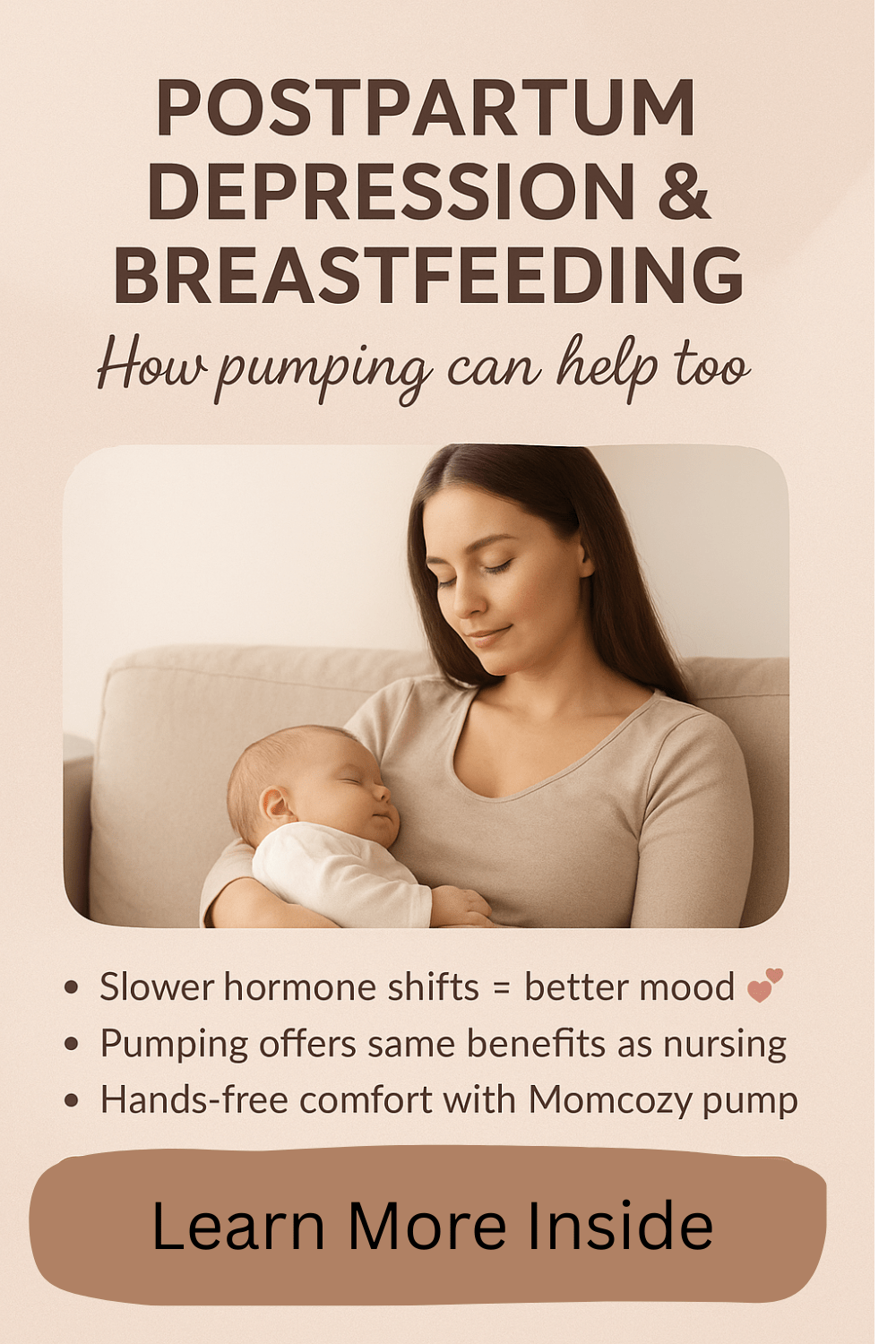
Bringing a new baby into the world is one of the most incredible experiences, but it also comes with major physical, emotional, and hormonal changes. For many new moms, postpartum depression (PPD) is a real and overwhelming challenge. According to research, around 1 in 7 women experience postpartum depression, making it one of the most common complications after childbirth.
While every woman’s journey is unique, studies show that breastfeeding may play a role in lowering the risk of postpartum depression. That’s because hormone shifts happen more gradually when milk is expressed—whether through nursing or pumping—compared to allowing milk to dry up quickly. Let’s break down why that matters, and how both breastfeeding and pumping can support your mental and physical health during the postpartum period.
Why Hormones Play a Role in Postpartum Mood
After birth, estrogen and progesterone levels drop dramatically, triggering many of the physical and emotional changes new moms feel. But when you breastfeed or pump, the decline in these hormones is slower and more gradual. In addition, your body produces oxytocin, sometimes called the “love hormone,” which can:
- Promote bonding between mom and baby
- Reduce stress and anxiety
- Create a sense of calm and relaxation
This gradual hormone shift may help reduce the intensity of mood swings and lower the risk of postpartum depression.
Breastfeeding Benefits Beyond Nutrition
Breastfeeding offers countless benefits for both mom and baby, including:
- Emotional well-being: The oxytocin released during let-down helps improve mood and lower stress.
- Physical recovery: Nursing helps the uterus return to pre-pregnancy size and may reduce postpartum bleeding.
- Baby’s health: Provides antibodies, reduces risk of infections, and supports brain development.
- Long-term maternal health: Lowers the risk of certain cancers, type 2 diabetes, and high blood pressure.
When Breastfeeding Isn’t Possible — The Benefits of Pumping
Not every mom can or chooses to breastfeed directly—and that’s okay. Pumping allows you to gain many of the same benefits while still feeding your baby breast milk.
Benefits of pumping include:
- Maintains milk supply even if baby isn’t latching well
- Continues gradual hormone release, helping stabilize mood and lessen abrupt hormone drops
- Flexibility: You can share feeding duties with your partner or caregiver
- Freedom: Pumping makes it easier to return to work, run errands, or simply rest without worry
Learn more about breastfeeding basics:
Final Thoughts
Postpartum depression is complex, and no single solution works for everyone. Still, supporting your body through gradual hormonal changes with breastfeeding or pumping may help protect your mental health while nourishing your baby.
Whether you breastfeed exclusively, pump, or combine the two, the important thing is finding a routine that works best for you and your baby.
Remember: You’re not alone. If you’re struggling with postpartum depression, please reach out to your healthcare provider for support. To learn more, get my ebook: Nobody Told Me This Part . https://karensclassythings.etsy.com/listing/4424034075

 Postpartum Wellness