When Breastfeeding Feels Overwhelming, Not Beautiful

A gentle look at feeding, mental health, and support for new moms

If you were told that breastfeeding would feel natural, peaceful, or instantly bonding — and instead it feels stressful, emotional, or heavy — you’re not alone.

Many new moms quietly struggle with breastfeeding not because they don’t care enough, but because they care so much while already running on very little sleep, support, or emotional reserve.

Breastfeeding doesn’t exist in a vacuum.

It happens while you’re healing, adjusting, and learning how to be someone new.

And when mental health is fragile — which is incredibly common in the postpartum period — feeding can feel like one more thing you’re expected to get “right.”

A gentle look at feeding, mental health, and support for new moms

If you were told that breastfeeding would feel natural, peaceful, or instantly bonding — and instead it feels stressful, emotional, or heavy — you’re not alone.

Many new moms quietly struggle with breastfeeding not because they don’t care enough, but because they care so much while already running on very little sleep, support, or emotional reserve.

Breastfeeding doesn’t exist in a vacuum.

It happens while you’re healing, adjusting, and learning how to be someone new.

And when mental health is fragile — which is incredibly common in the postpartum period — feeding can feel like one more thing you’re expected to get “right.”


Why Breastfeeding Can Feel So Hard Emotionally

Breastfeeding is often talked about as a physical skill. But for many mothers, the emotional side is what feels hardest.

You might be carrying:

  • Pressure to meet expectations
  • Fear of doing something wrong
  • Guilt when feeding doesn’t feel peaceful
  • Anxiety about supply, schedules, or baby’s cues
  • Exhaustion that makes everything feel heavier

When you’re already emotionally stretched, even small feeding challenges can feel overwhelming.

This doesn’t mean you’re failing.

It means your nervous system is doing its best under a lot of demand.


The Connection Between Mental Health and Feeding

Postpartum mental health and breastfeeding are deeply connected — even though they’re rarely talked about together.

When you’re anxious, overstimulated, or emotionally depleted:

  • Your body holds tension
  • Feeding can feel rushed or stressful
  • Confidence is harder to access
  • Tears come more easily

And then comes the spiral:

Why is this so hard? Why can’t I just relax? Why does everyone else seem to manage this?

The truth is, many mothers are struggling quietly.

Support — not pressure — is what helps breastfeeding feel more manageable.


You Deserve Calm, Not Constant Correction

A lot of breastfeeding advice is loud.

It tells you what you should do, how it should feel, and what you need to fix.

But many new moms don’t need more instructions.

They need reassurance.

They need permission to slow down.

They need someone to say:

You’re allowed to approach feeding gently.


A Gentler Way to Think About Breastfeeding Support

Breastfeeding support doesn’t have to mean pushing through tears or ignoring your own emotional needs.

A calmer approach focuses on:

  • Reducing pressure
  • Supporting mental health alongside feeding
  • Building confidence slowly
  • Making room for rest and emotional safety

Feeding your baby should not cost you your sense of self.


A Nurse-Guided, Stress-Free Resource for New Moms

This is why I created Breastfeeding Without Tears: A Nurse-Guided, Stress-Free Guide for New Moms.

It’s not about doing breastfeeding perfectly.

It’s about helping feeding feel:

  • Less overwhelming
  • More supported
  • Emotionally sustainable

This guide was written for mothers who want support without judgment — and who understand that mental health matters just as much as technique.

You can read more about the guide and what’s included here: Breastfeeding Without Tears: A Gentle Guide for New Moms — Coming Soon


If Feeding Feels Heavy Right Now

If breastfeeding feels emotional, stressful, or nothing like you expected, please know this:

You are not broken.

You are not weak.

You are adjusting to something enormous.

Support exists — and it’s allowed to feel gentle.

Even one small shift toward calm is enough for today.
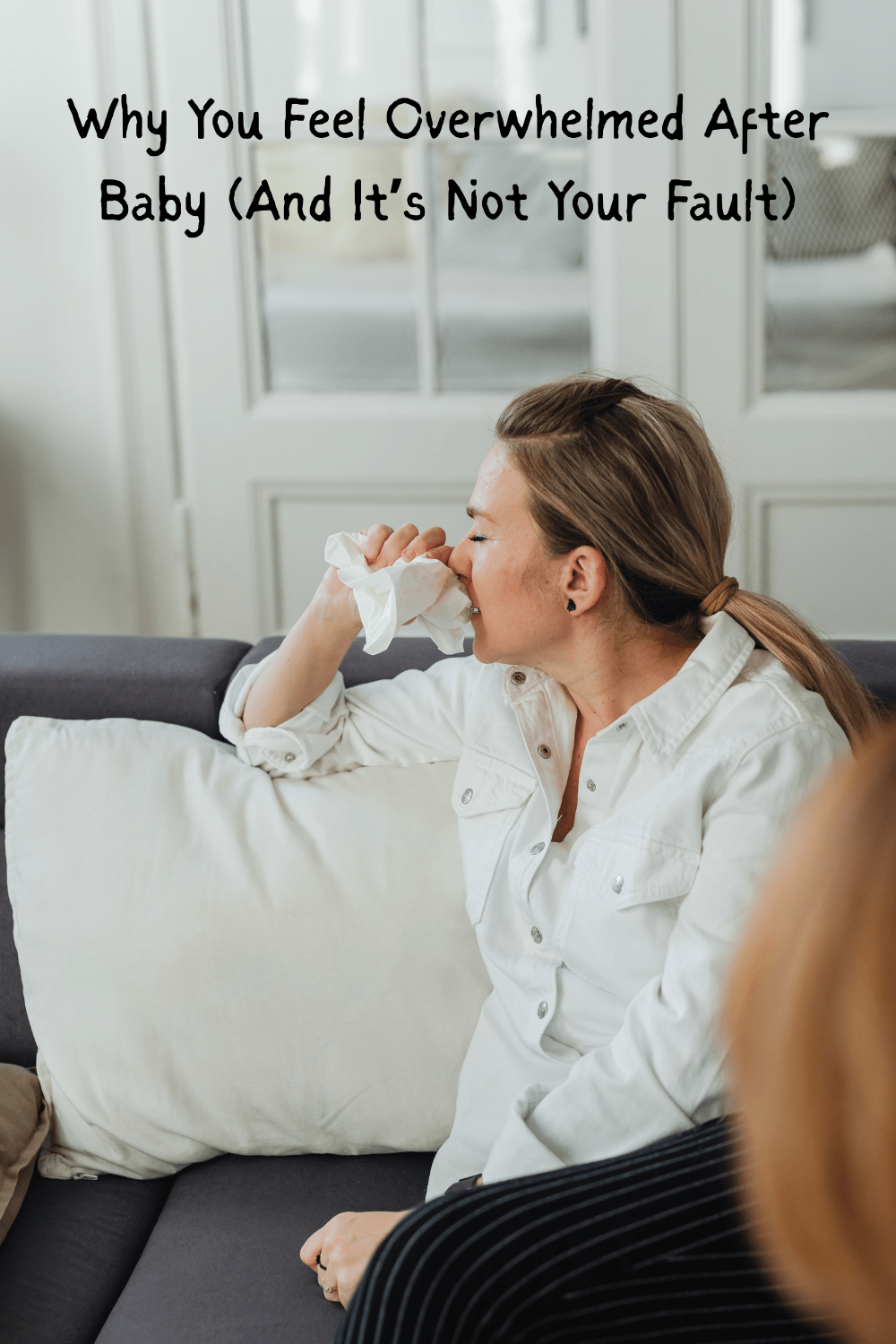
How to Protect Your Mental Health When You Feel Completely Alone After Baby

Postpartum loneliness is common — and painful. If you feel isolated after baby, this post offers reassurance, validation, and gentle ways to protect your mental health.

#PostpartumLoneliness #NewMomSupport #MentalHealthForMoms #FourthTrimester #YouAreNotAlone

Many new moms feel isolated — even with people around them.

You might think:

  • “Everyone else is coping better”
  • “I shouldn’t feel this way”
  • “I don’t want to burden anyone”

But postpartum loneliness is real — and dangerous when ignored.

Why Loneliness Hits After Birth

Your routine changes overnight. Adult conversation decreases. Support may fade once the baby arrives.

This emotional distance can quietly impact mental health.

What Actually Helps When You Feel Alone

Connection doesn’t have to be big. Start small:

  • Text one safe person
  • Join an online mom group
  • Talk to a professional who understands postpartum care

If you ever feel overwhelmed or unsafe, help is available:
📞 National Maternal Mental Health Hotline: 1-833-TLC-MAMA
(Free, confidential support)

You Deserve Support — Not Silence

Needing help does not mean you’re failing. It means you’re human.

🌱 For more ways to protect your mental health after baby, read my new ebook now

➡️ Postpartum Anxiety & Depression Guide

Breastfeeding Without Tears

This post may contain affiliate links. I only recommend products I genuinely believe can support new moms.

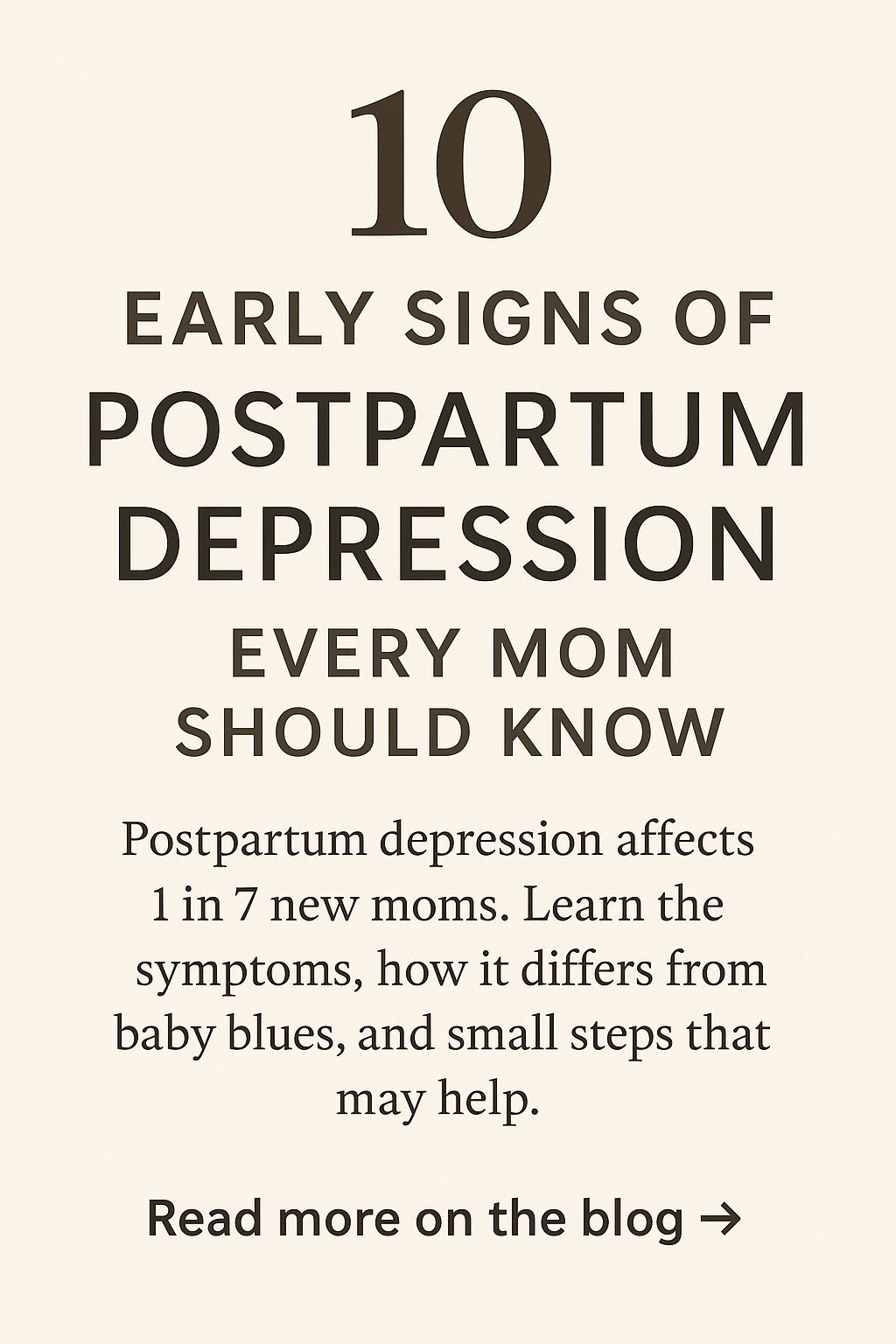
Early Signs of Postpartum Depression Every Mom Should Know

Bringing a new baby into the world is one of life’s most beautiful moments, but for many mothers, it can also be one of the hardest. While it’s normal to feel tired, emotional, or even a little overwhelmed after birth, sometimes these feelings become more intense and linger much longer than expected. That’s where the difference between the baby blues and postpartum depression comes in.

Postpartum depression (PPD) is more common than many realize, and recognizing the early warning signs can make all the difference in getting the help and support you need.

Bringing a new baby into the world is one of life’s most beautiful moments, but for many mothers, it can also be one of the hardest. While it’s normal to feel tired, emotional, or even a little overwhelmed after birth, sometimes these feelings become more intense and linger much longer than expected. That’s where the difference between the baby blues and postpartum depression comes in.

Postpartum depression (PPD) is more common than many realize, and recognizing the early warning signs can make all the difference in getting the help and support you need.


Baby Blues vs. Postpartum Depression

Most new mothers—up to 80%—experience the baby blues within the first few days after birth. These feelings often include mood swings, irritability, and frequent crying. The baby blues usually fade within two weeks as your hormones stabilize and you settle into life with your newborn.

Postpartum depression, however, is different. It’s more intense, lasts longer, and can interfere with your ability to care for yourself and your baby. PPD affects about 1 in 7 women, and it’s not a sign of weakness—it’s a medical condition that deserves care and treatment.


Early Signs of Postpartum Depression

Here are some early symptoms to watch for. Experiencing one or two doesn’t always mean you have PPD, but if they’re persistent or worsening, it’s important to reach out for help:

  1. Persistent sadness or emptiness – Feelings of hopelessness that don’t lift after a couple of weeks.
  2. Intense mood swings – Emotional highs and lows that feel uncontrollable.
  3. Difficulty bonding with your baby – Feeling detached or unable to connect.
  4. Appetite changes – Eating too much or having no appetite at all.
  5. Extreme fatigue or insomnia – Either sleeping too much or being unable to sleep even when the baby does.
  6. Loss of interest in activities – Things you once enjoyed no longer bring pleasure.
  7. Heightened anxiety or panic attacks – Constant worry about your baby’s health or your ability to cope.
  8. Feelings of guilt or worthlessness – Blaming yourself for not being a “good enough” mom.
  9. Difficulty concentrating – Trouble focusing or remembering things.
  10. Thoughts of self-harm or harming your baby – A medical emergency that requires immediate help.

Why Recognizing the Signs Matters

Catching postpartum depression early means you can start receiving support before symptoms worsen. Left untreated, PPD can affect not only your well-being but also your baby’s development and your family’s overall health. But with the right help—whether it’s therapy, support groups, medication, or lifestyle changes—most women recover fully.


Small Steps That May Help

While professional help is key, there are small steps that can support your mental health:

  • Rest whenever you can. Even short naps help.
  • Nourish your body. Eating balanced meals keeps your energy and hormones steady.
  • Gentle movement. A walk outside with the stroller can boost your mood.
  • Breastfeeding or pumping. Breastfeeding releases oxytocin and prolactin, hormones that promote bonding and calmness. If breastfeeding isn’t possible, pumping can still help you maintain milk supply and experience hormonal benefits.
  • Journaling. Writing down your feelings can help release emotions and track your progress.

When to Seek Professional Help

If symptoms last longer than two weeks, are getting worse, or interfere with daily life, it’s time to reach out for help. And if you ever have thoughts of harming yourself or your baby, please seek immediate assistance—call your healthcare provider or local emergency services right away.

Resources to know:


Final Thoughts

If you recognize these signs in yourself—or in someone you love—remember: you are not alone, and help is available. Postpartum depression is treatable, and reaching out for support is a sign of strength, not weakness.

This post is part of the support that inspired my gentle postpartum depression guide:

➡️ Nobody Told Me This Part: Navigating Postpartum Anxiety & Depression

👉 Shop My Favorites: Postpartum Essentials on Amazon for Postpartum Moms!


#PostpartumDepression #NewMomSupport #PostpartumJourney #PostpartumCare #MotherhoodSupport #PostpartumHelp #PostpartumWellness #MentalHealthAwareness #MomLifeSupport #PostpartumRecovery

This post may contain affiliate links. As an Amazon Associate, I earn from qualifying purchases.