Finding Healing: A Gentle Guide to Restoring Mind, Body, and Spirit

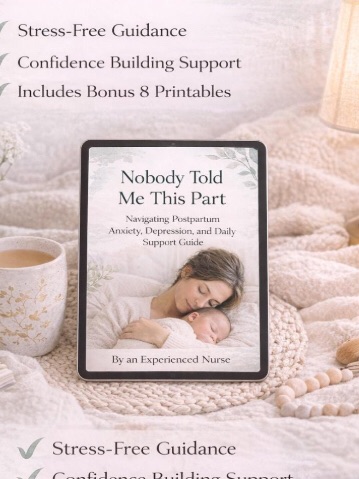
Life has a way of leaving marks on us. Whether from stress, loss, postpartum struggles, or the daily weight of responsibilities, we all reach moments where we crave healing. But healing isn’t just about “getting better.” It’s about learning how to nurture yourself—mind, body, and spirit—so you can truly live with peace and purpose.

That’s why I created The Healing Guide—a gentle, practical resource for women who are ready to embrace renewal and find balance again.

Why Healing Matters

Too often, we push through exhaustion, emotional pain, or physical challenges, believing we should “just deal with it.” But ignoring your needs only deepens the wound. Healing isn’t selfish—it’s essential. It allows you to be present for yourself and for those you love.

Healing is not about perfection. It’s about progress. It’s about finding small ways, every day, to reconnect with your strength, your joy, and your true self.

What You’ll Find in The Healing Guide

This guidebook is designed to be more than words on a page—it’s a companion on your healing journey. Inside, you’ll find:

✨ Practical Tips – Simple, actionable steps to support emotional and physical recovery.
✨ Mindfulness Practices – Gentle reminders to slow down, breathe, and center yourself.
✨ Self-Care Rituals – From journaling prompts to rest practices that nourish instead of deplete.
✨ Encouragement – Words that remind you you’re not alone and that healing is possible.

The Heart of the Message

The core message of The Healing Guide is this: you are worthy of care, rest, and renewal. Healing isn’t about “fixing” yourself; it’s about remembering who you are and giving yourself permission to thrive.

Every chapter is built around compassion. It’s written to meet you where you are—whether you’re in the depths of postpartum recovery, navigating grief, or simply needing a reset.

How to Use the Guide

Think of this book as a journal, a friend, and a roadmap. Read it slowly. Highlight the parts that speak to you. Try the exercises when you’re ready. There’s no pressure and no timeline. Healing unfolds differently for everyone.

Why I Wrote This Book

I wrote The Healing Guide because I know what it’s like to feel drained, lost, and in need of a reset. Through my work and personal journey, I discovered tools that truly help, and I wanted to share them with others who might feel the same way.

If you’ve been searching for hope, encouragement, and practical ways to begin again, this book was written with you in mind.


Final Thought

Healing isn’t a destination—it’s a journey. With the right tools and compassion, you can find your way back to strength, peace, and joy.

💜 The Healing Guide is COMING VERY SOON—because you deserve to feel whole again.

👉 Shop My Favorites: Postpartum Essentials on Amazon for Postpartum Moms!

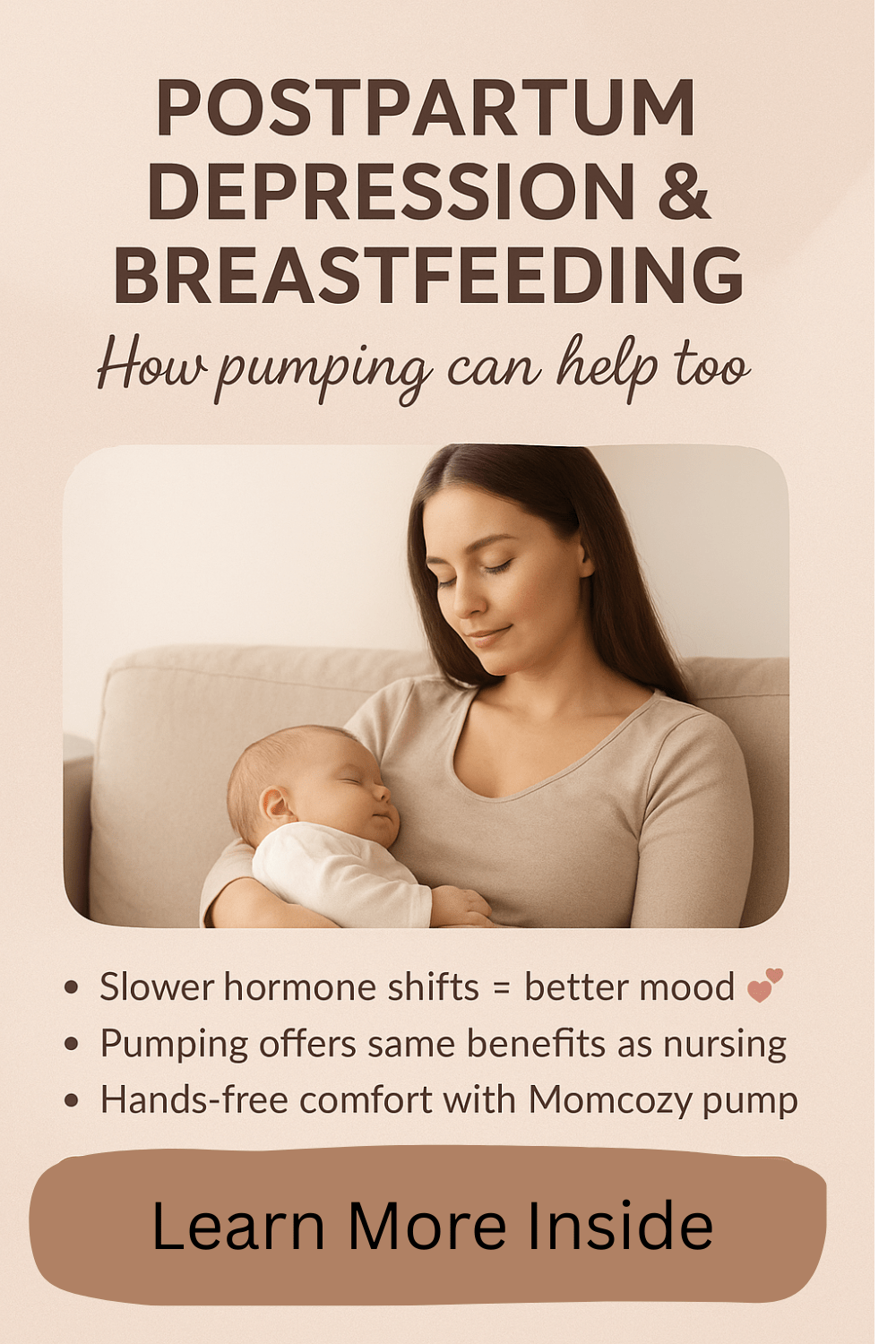
Postpartum Depression & Breastfeeding: How Slower Hormone Changes Can Help — Plus the Benefits of Pumping

Bringing a new baby into the world is one of the most incredible experiences, but it also comes with major physical, emotional, and hormonal changes. For many new moms, postpartum depression (PPD) is a real and overwhelming challenge. According to research, around 1 in 7 women experience postpartum depression, making it one of the most common complications after childbirth.

While every woman’s journey is unique, studies show that breastfeeding may play a role in lowering the risk of postpartum depression. That’s because hormone shifts happen more gradually when milk is expressed—whether through nursing or pumping—compared to allowing milk to dry up quickly. Let’s break down why that matters, and how both breastfeeding and pumping can support your mental and physical health during the postpartum period.


Why Hormones Play a Role in Postpartum Mood

After birth, estrogen and progesterone levels drop dramatically, triggering many of the physical and emotional changes new moms feel. But when you breastfeed or pump, the decline in these hormones is slower and more gradual. In addition, your body produces oxytocin, sometimes called the “love hormone,” which can:

  • Promote bonding between mom and baby
  • Reduce stress and anxiety
  • Create a sense of calm and relaxation

This gradual hormone shift may help reduce the intensity of mood swings and lower the risk of postpartum depression.


Breastfeeding Benefits Beyond Nutrition

Breastfeeding offers countless benefits for both mom and baby, including:

  • Emotional well-being: The oxytocin released during let-down helps improve mood and lower stress.
  • Physical recovery: Nursing helps the uterus return to pre-pregnancy size and may reduce postpartum bleeding.
  • Baby’s health: Provides antibodies, reduces risk of infections, and supports brain development.
  • Long-term maternal health: Lowers the risk of certain cancers, type 2 diabetes, and high blood pressure.

When Breastfeeding Isn’t Possible — The Benefits of Pumping

Not every mom can or chooses to breastfeed directly—and that’s okay. Pumping allows you to gain many of the same benefits while still feeding your baby breast milk.

Benefits of pumping include:

  • Maintains milk supply even if baby isn’t latching well
  • Continues gradual hormone release, helping stabilize mood and lessen abrupt hormone drops
  • Flexibility: You can share feeding duties with your partner or caregiver
  • Freedom: Pumping makes it easier to return to work, run errands, or simply rest without worry

Choosing the Right Pump

If you’re planning to pump, a comfortable, efficient, and portable breast pump makes all the difference. One highly rated option available on Amazon is the:

👉 Momcozy M5 Hands-Free Wearable Breast Pump

Why moms love it:

  • Hands-free design so you can multitask while pumping
  • Double-sealed flange for baby-like comfort and improved suction
  • 3 modes & 9 suction levels to mimic baby’s natural feeding rhythm
  • Portable and discreet, perfect for home or on-the-go use
  • Comes in a 2-pack, ensuring convenience and flexibility

This pump supports your postpartum journey by helping you continue expressing milk comfortably, which may ease the hormonal transitions linked to mood swings and PPD risk.


Final Thoughts

Postpartum depression is complex, and no single solution works for everyone. Still, supporting your body through gradual hormonal changes with breastfeeding or pumping may help protect your mental health while nourishing your baby.

Whether you breastfeed exclusively, pump, or combine the two, the important thing is finding a routine that works best for you and your baby. And if you’re looking for a reliable, hands-free option to make pumping easier, the Momcozy pump ( https://amzn.to/3VJfc6O) is a smart, mom-approved choice.

Remember: You’re not alone. If you’re struggling with postpartum depression, please reach out to your healthcare provider for support.


👉 Shop My Favorites: Postpartum Essentials on Amazon for Postpartum Moms!

✨ Affiliate Disclaimer: This post contains affiliate links, which means I may earn a small commission at no cost to you if you purchase through my link. I only recommend products I truly believe can support new moms.
5 Common Breastfeeding Challenges & How to Solve Them

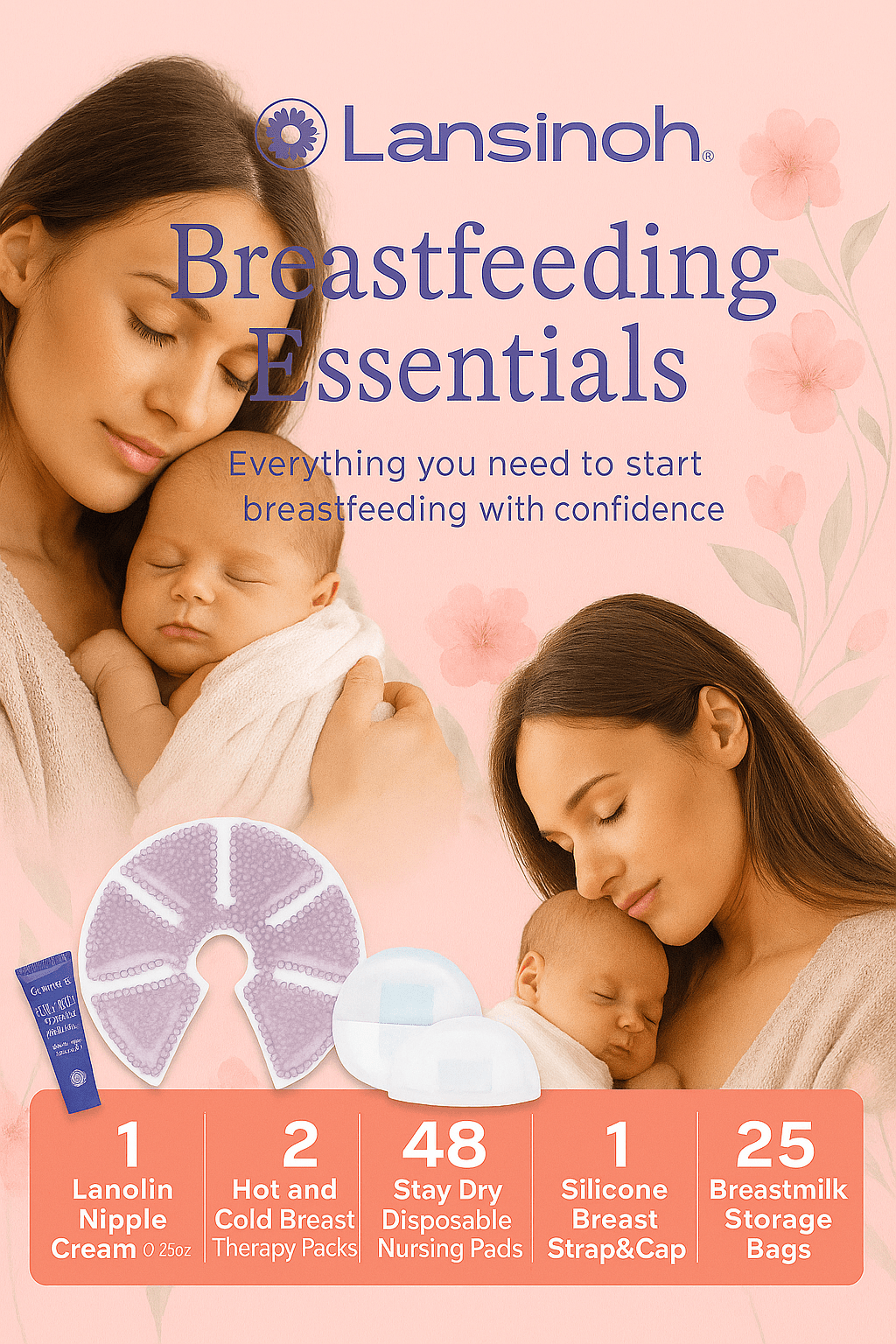
Breastfeeding is often described as “natural,” but that doesn’t mean it always comes easily. Many new moms face challenges in the early weeks, from latching issues to supply concerns, and it’s completely normal to feel overwhelmed. The good news? With the right support, tools, and strategies, most breastfeeding difficulties can be managed successfully.

In this article, we’ll explore some of the most common breastfeeding challenges and practical solutions that can make your journey smoother.


1. Latching Difficulties

The challenge: Many babies take time to learn how to latch properly. A poor latch can cause nipple pain, ineffective feeding, and frustration for both mom and baby.

Solutions:

  • Work with a lactation consultant early on for hands-on guidance.
  • Try different nursing positions (football hold, side-lying, or cross-cradle) until you find what works best.
  • Use a nipple shield temporarily if recommended, which can help babies with weak or shallow latches.

👉 Helpful tool: 

Nipple Shields on Amazon: Momcozy Ultra-Thin Nipple Shields, 100% Food-Grade Silicone for Breastfeeding Moms


2. Low Milk Supply

The challenge: Some moms worry they’re not producing enough milk, which can be stressful and discouraging.

Solutions:

  • Nurse frequently—milk supply works on a demand-and-supply system.
  • Stay hydrated and eat nourishing, balanced meals.
  • Add pumping sessions between feeds to stimulate extra supply.
  • Try lactation teas or supplements (with guidance from your provider).

👉 Mom Tip: A hands-free breast pump like the Momcozy M5 Wearable Breast Pump makes it easier to pump while multitasking


3. Engorgement and Blocked Ducts

The challenge: When breasts become overly full, they can feel hard, swollen, and painful. Blocked ducts may cause sore lumps and increase the risk of mastitis (infection).

Solutions:

  • Nurse or pump frequently to keep milk moving.
  • Apply warm compresses before feeds and gentle massage to relieve blockages.
  • Wear a comfortable nursing bra (not too tight).

👉 Helpful tools: 

Breast Therapy Gel Packs:

Medela Hydrogel Pads, Instant Pain Relief for Cracked or Sore Nipples from Breastfeeding and Pumping

Momcozy Larger Breast Therapy Packs, Hot and Cold Breast Pads with 2 Soft Covers, Breastfeeding Essentials


4. Sore or Cracked Nipples

The challenge: Nipple pain is one of the top reasons moms stop breastfeeding. Cracks and soreness often result from shallow latch or friction.

Solutions:

  • Check baby’s latch and positioning.
  • Apply nipple cream or breast milk to help with healing.
  • Use breast shells inside your bra to prevent clothing friction.

👉 Helpful tool: 

Nipple Creams:

1.Momcozy Nipple Cream Safe for Breastfeeding, Plant-Based Ingredients, Lanolin-Free Nipple Balm, Soothing Cream, Breastfeeding Essentials for Nursing & Pumping Moms

2. Organic Nipple Cream, Nipple Crack Lanolin Free Nipple Butter

3. Lansinoh Lanolin Nipple Cream Safe for Breastfeeding Baby, 100% Natural Nipple Butter for Mom, Breastfeeding

A newer type of soothing tool for nipples: Original Italian Silver Nursing Cups – Nipple Shields for Breastfeeding – Helps Soothe and Protect Sore Nipples – Dermatologically Tested – Medical Device FDA-Registered (Universal Fit)


5. Fatigue and Emotional Stress

The challenge: Feeding around the clock can leave moms feeling drained, both physically and emotionally.

Solutions:

  • Ask for help—let a partner or loved one take over household chores so you can rest.
  • Pump occasionally so others can handle a feeding session.
  • Join a local or online breastfeeding support group for encouragement.
  • Hormones, emotions, and sleepless nights—jotting down your thoughts and milestones can help process this intense season. A postpartum journal also creates a keepsake you’ll treasure later.

👉 Helpful tool: Postpartum Journal for Emotional Wellness

Floral Inspirational Journal: Every Day is a New Beginning Notebook

Personalized Floral Journal: Inspirational Writing Notebook, Ruled Line

6. Sit in your favorite armchair, cradling a warm cup of tea, let the soothing words of a cozy murder mystery transport you to a quaint English village, far from the diaper changes and feedings that dominate your days since welcoming your newborn. The amateur sleuth’s clever deductions and witty banter will have you, while the intricate plot twists keep you engaged, your mind momentarily free from the sleep-deprived haze of new motherhood. For a blissful hour or two, forget about burped-up milk stains and endless laundry, indulging in “me time” as I As I sat in my favorite armchair, cradling a warm cup of tea, I let the soothing words of my cozy murder mystery transport me to a quaint English village, far from the diaper changes and feedings that dominated my days since welcoming my newborn. The amateur sleuth’s clever deductions and witty banter had me giggling, while the intricate plot twists kept me engaged, my mind momentarily free from the sleep-deprived haze of new motherhood. For a blissful hour or two, I forgot about burped-up milk stains and endless laundry, indulging in “me time” as you turn page after page, reveling in the gentle escapism that reading always brings. Turn page after page, reveling in the gentle escapism that reading always brings.

Secrets of Raven’s Hollow


Final Thoughts

Breastfeeding challenges are common, but you don’t have to face them alone. With professional guidance, supportive products, and a little patience, most obstacles can be overcome. Remember: whether you breastfeed, pump, or use formula, the most important thing is that your baby is nourished and you feel supported as a mom. 💕


✨ Affiliate Note: The product links in this post are affiliate links, which means I may earn a small commission at no extra cost to you if you choose to purchase. Thank you for supporting this blog—it helps me continue creating helpful content for new moms!

👉 Shop My Favorites: Postpartum Essentials on Amazon for Postpartum Moms!

#BreastfeedingSupport #BreastfeedingJourney #PostpartumCare #NewMomTips #LactationSupport #BreastfeedingMom #PostpartumWellness #NewbornCare #PostpartumJourney

Sleep Survival Tips for New Moms: How to Rest During the Newborn Stage

Bringing home a new baby is exciting and full of love—but it can also mean sleepless nights and long days. Between late-night feedings, diaper changes, and adjusting to your baby’s needs, sleep often feels like a luxury. While it’s unrealistic to expect full nights of rest in the early weeks, there are ways to maximize the rest you do get and keep exhaustion from overwhelming you.

Here are some tried-and-true sleep survival tips for new moms to help you through the fourth trimester.


1. Sleep When the Baby Sleeps (But Be Flexible)

You’ve probably heard it a hundred times, but it’s true—those little naps add up. Even if you can’t fall asleep, use that time to rest quietly, meditate, or close your eyes.

👉 Helpful tools: 

Sleep Masks: MZOO Luxury Sleep Eye Mask for Side Sleeper Men Women, Zero Eye Pressure 3D Sleeping Mask, Light Blocking

White Noise machine: Hatch Rest Baby Sound Machine, Night Light | 2nd Gen | Registry Essential, Sleep Trainer, Routine Builder, Time-to-Rise Alarm Clock, White Noise Soother, Nursery Stories, Toddler Kids Bedroom (Wi-Fi)


2. Share the Load With Your Partner

If possible, alternate nighttime responsibilities with your partner or a trusted caregiver. Even splitting the night into shifts—one handles the baby early, the other later—can help both of you get longer stretches of rest.

👉 Helpful tools: Hands-free Pump; so a partner can handle bottle feeds: Momcozy M5 Wearable Breast Pump


3. Create a Restful Sleep Environment

When you finally do get the chance to sleep, make sure your environment helps you fall asleep quickly.

  • Keep your room dark and cool.
  • Use blackout curtains or a sleep mask.
  • Block out outside noise with a sound machine.

👉 BUY NOW ON AMAZON : 

Blackout Curtains: Joydeco Blackout Curtains for Bedroom – Nature Linen 84 Inch Long 100% Light Blocking 

Essential oil Diffuser: Earnest Living Essential Oil Diffuser White Ceramic Diffuser


4. Accept Help From Others

If family or friends offer to help, say yes! Even an hour of rest while someone else holds the baby can make a huge difference in your energy levels.


5. Nap Smarter

Long naps during the day can interfere with nighttime sleep. Instead, aim for 20–40 minute power naps to refresh your body and mind without leaving you groggy.


6. Prioritize Nutrition & Hydration

Exhaustion feels worse when your body isn’t fueled properly. Eating balanced meals and staying hydrated can help fight fatigue and stabilize energy levels.

👉 Helpful tools: 

Protein Snacks: Quest Nutrition Tortilla Style Protein Chips Variety Pack, Chili Lime, Nacho Cheese, Loaded Taco, Low Carb, High Protein, Gluten Free

Hydration bottles


7. Don’t Strive for Perfection

Housework can wait. Dishes, laundry, and chores don’t need to be perfect right now. Focus on caring for your baby and giving yourself the rest you need to function.


8. Watch for Signs of Postpartum Depression or Anxiety

If you’re feeling overwhelmed, sad, or unable to sleep even when given the chance, talk to your healthcare provider. Sometimes exhaustion is worsened by postpartum mood disorders, and getting support is an important part of recovery.


Final Thoughts

The newborn stage is temporary, and while sleep may feel scarce, small changes can make a big difference in how you feel. Remember—you’re not alone, and prioritizing your rest is just as important as caring for your baby.

✨ For more postpartum wellness tips, check out my curated Amazon Postpartum Essentials page with must-have products to support your recovery and make motherhood a little easier (a work in progress- bear with me).


Always check with your doctor to make sure anything you ingest is safe for breastfeeding babies.

👉 Shop My Favorites: Postpartum Essentials on Amazon for Postpartum Moms!

As an Amazon Associate, I earn from qualifying purchases. I only recommend products I truly believe in and that align with my mission: helping mothers heal emotionally and physically after birth.


#NewMomTips #PostpartumRecovery #SleepTipsForMoms #MotherhoodJourney #PostpartumWellness #NewbornLife #MomLifeHacks #BabyTips #PostpartumCare #FourthTrimester

🌸 Momcozy M5 Hands-Free Breast Pump | Best Portable Wearable Pump for Moms

Discover the Momcozy M5 Hands-Free Wearable Breast Pump – designed for busy moms who need comfort, convenience, and portability.

Discover the Momcozy M5 Hands-Free Wearable Breast Pump – designed for busy moms who need comfort, convenience, and portability. With a double-sealed flange for baby-like comfort9 suction levels, and 3 pumping modes, this quiet and discreet wearable electric breast pump fits seamlessly into your day. Perfect for working moms, travel, or pumping on the go. 💕

✨ Why Moms Love It:
✔️ Portable & Rechargeable
✔️ Quiet & Discreet
✔️ Comfortable Baby-Like Suction
✔️ Easy to Clean & Carry

Make breastfeeding easier and more flexible—because you deserve stress-free pumping.

👉 Shop My Favorites: Postpartum Essentials on Amazon for Postpartum Moms!

✨ Affiliate Disclaimer: This post contains affiliate links, which means I may earn a small commission at no cost to you if you purchase through my link. I only recommend products I truly believe can support new moms.

#Momcozy #BreastfeedingJourney #BreastPump #WearableBreastPump #PostpartumCare #NewMomLife #PortableBreastPump #BreastfeedingSupport #MomLifeHacks #HandsFreePump

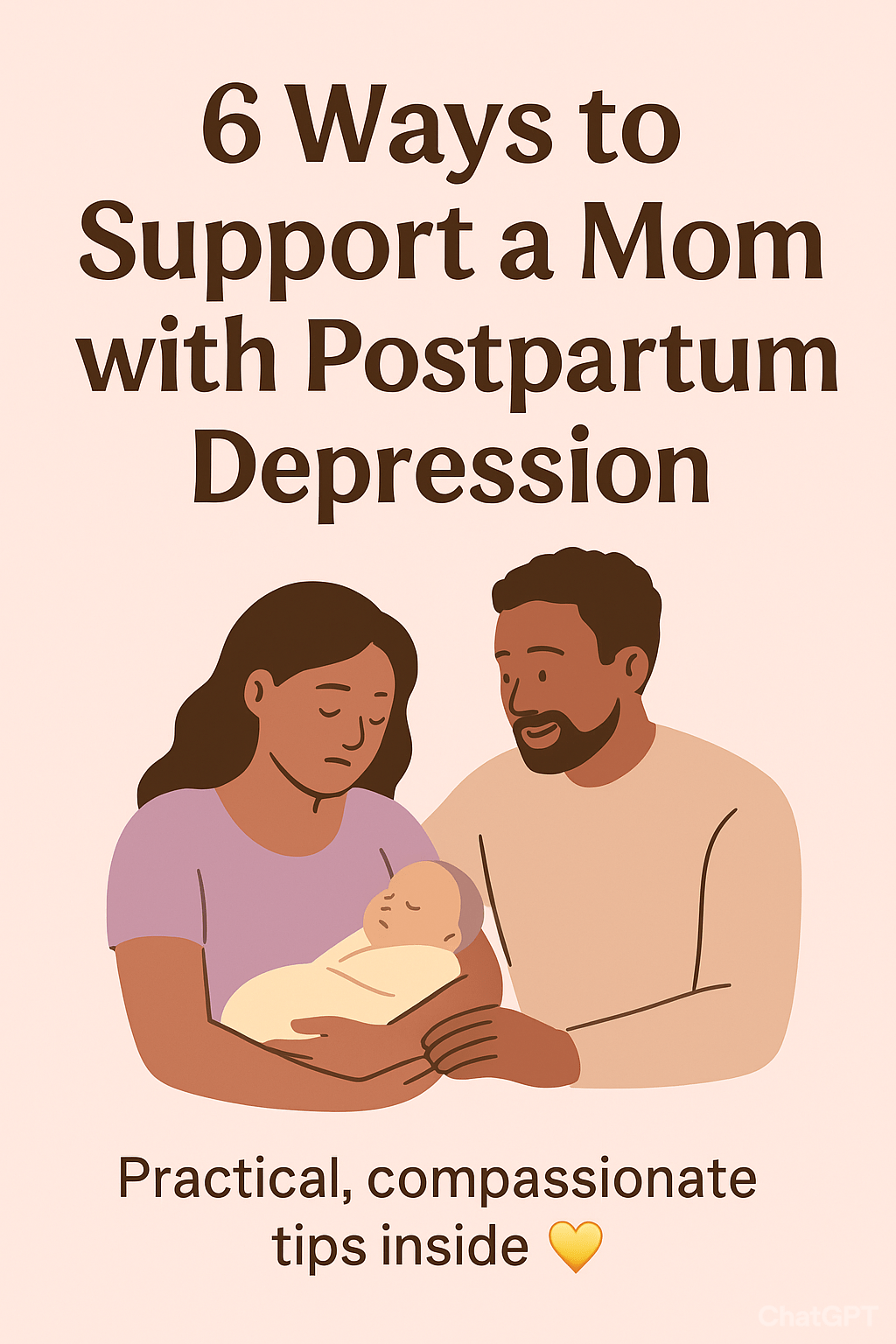
How Partners and Family Can Help a New Mom Struggling with Postpartum Depression

Bringing home a new baby is often pictured as a time filled with joy, snuggles, and happy memories. But for many moms, postpartum depression (PPD) makes this transition overwhelming and isolating. Loved ones—partners, family, and friends—often want to help but aren’t sure how. The truth is, your support can make a world of difference in her recovery.

Bringing home a new baby is often pictured as a time filled with joy, snuggles, and happy memories. But for many moms, postpartum depression (PPD) makes this transition overwhelming and isolating. Loved ones—partners, family, and friends—often want to help but aren’t sure how. The truth is, your support can make a world of difference in her recovery.

This guide will walk you through practical, compassionate ways to support a new mom struggling with postpartum depression.


1. Learn to Listen Without Judgment

One of the most powerful things you can do is simply listen. A mom going through PPD may feel guilt or shame for not feeling “happy enough.” Avoid trying to “fix” her feelings or offering quick solutions. Instead:

  • Say things like, “I’m here for you,” or “You’re not alone in this.”
  • Create space for her to share openly, without fear of judgment.
  • Let silence be okay—sometimes being present is all she needs.

2. Take Over Chores and Household Tasks

Postpartum depression can make even small daily tasks feel impossible. Offering practical help can relieve stress and give her room to breathe:

  • Cook or drop off a meal.
  • Take over laundry or dishes without being asked.
  • Run errands so she doesn’t have to.

Even better, don’t wait for her to ask—anticipate what needs to be done.


3. Encourage Rest and Breaks

New moms often feel pressure to “do it all.” Remind her that taking breaks is not selfish—it’s necessary. You can help by:

  • Watching the baby so she can nap or shower.
  • Suggesting a short walk together for fresh air.
  • Offering to care for the baby so she can enjoy a quiet activity she loves.

4. Watch for Warning Signs

While many moms experience “baby blues,” postpartum depression is deeper and longer-lasting. As a partner or loved one, you can help by noticing signs such as:

  • Persistent sadness or irritability
  • Difficulty bonding with the baby
  • Withdrawing from loved ones
  • Trouble sleeping (beyond normal newborn exhaustion)
  • Thoughts of self-harm

If you notice these signs, encourage her to reach out to her doctor or a mental health professional. Offer to go with her to the appointment if she feels nervous.


5. Offer Emotional Encouragement

A mom struggling with PPD may feel like she’s failing, even though she’s doing her best. Uplift her with reminders:

  • “You’re a wonderful mom, even on tough days.”
  • “It’s okay to ask for help. You don’t have to carry this alone.”
  • “I’m proud of you.”

Sometimes these small affirmations can help her feel seen and valued.


6. Take Care of Yourself, Too

Supporting someone with PPD can be emotionally draining. Make sure you’re practicing self-care so you can show up fully for her. This might include getting your own rest, seeking support from friends, or talking with a counselor. Remember: supporting her doesn’t mean you have to do it perfectly—you just have to show up.


Final Thoughts

Postpartum depression is not a reflection of a mom’s love for her baby—it’s a medical condition that requires compassion and support. As a partner, family member, or friend, you have a unique role in helping her feel less alone and more supported.

By listening, helping with daily tasks, encouraging rest, and being mindful of warning signs, you can help her move toward healing.

✨ Remember: Love, patience, and presence are the greatest gifts you can give a new mom struggling with postpartum depression.

👉 Shop My Favorites: Postpartum Essentials on Amazon for Postpartum Moms!

10 Must-Have Postpartum Essentials Every New Mom Needs

Bringing a baby into the world is life-changing—and while everyone focuses on the newborn checklist, it’s just as important to prepare for your own healing and comfort. The postpartum period can be overwhelming, but having the right tools makes recovery and those first weeks much smoother.

Here’s a roundup of 10 postpartum essentials every new mom needs in her recovery kit. Whether you’re creating your own basket or shopping for a thoughtful gift, these items are game changers.


1. Nursing Pillow

Breastfeeding or bottle-feeding can take a toll on your back and shoulders. A nursing pillow provides support, helping you position your baby comfortably while protecting your posture.

My Brest Friend Nursing Pillow – Deluxe – Enhanced Comfort w/ Slipcover – Ergonomic Breastfeeding Pillow For Ultimate Support For Mom & Baby

BUY NOW ON AMAZON


2. Breast Pump

If you plan to pump, having a reliable pump makes all the difference. Portable and hands-free options (like the Momcozy M5) let you multitask while maintaining your milk supply.

Momcozy M5 Hands-Free Wearable Breast Pump, Double-Sealed Flange for Baby-Like Comfort, 3 Modes & 9 Suction Levels, Portable Electric Pump 

Check it out on AMAZON


3. Comfy Pajamas & Robes

Postpartum recovery calls for soft, stretchy clothing that makes nursing and resting easier. Choose breathable fabrics that are gentle on your healing body and allow for skin-to-skin time with your baby.

SUNNYBUY Womens Maternity Nursing Pajamas Set, Short Sleeve Breastfeeding Shirts, Pregnancy Shorts & Pants 3 Piece Nursing PJS

SWOMOG Maternity Nursing Robe Set 3 Piece Postpartum Breastfeeding Pajamas 3 in 1 Hospital Labor Delivery Pregnancy Pjs

HEARTNICE Womens Cotton Robe, Soft Kimono Spa Knit Long Bathrobe Lightweight Loungewear


4. Peri Bottle

A peri bottle is one of the most underrated postpartum recovery tools. It makes cleaning and soothing sensitive areas after delivery much more comfortable, especially if you’ve had stitches.

Frida Mom Upside Down Peri Bottle for Postpartum Care, Portable Bidet Perineal Cleansing and Recovery for New Mom, The Original Fridababy MomWasher

Frida Mom 11pc Postpartum Essentials Kit Gift Set, Hospital Bag Must Haves for New Mom, Includes 4 Disposable Postpartum Underwear, 4 Ice Maxi Pads, Perineal Healing Foam & 24 Pad Liners & Peri Bottle


5. Postpartum Journal

Hormones, emotions, and sleepless nights—jotting down your thoughts and milestones can help process this intense season. A postpartum journal also creates a keepsake you’ll treasure later.

Floral Inspirational Journal: Every Day is a New Beginning Notebook


6. Nursing Bras & Tanks

Supportive yet gentle, nursing bras and tanks are must-haves for easy feeding access. Look for wire-free designs that adjust as your body changes.

Lataly Womens Seamless Nursing Bra Sleeping Maternity Bralette for Breastfeeding Pack of 3

Momcozy Hands Free Pumping Bra, Adjustable Breast-Pumps Holding and Nursing Bra, Pumping & Nursing Bra in One

BRLIDO Nursing Tank Tops, Maternity Camisole Brasieres

Maternity Nursing Tank Cami


7. Sitz Bath Soak

A sitz bath or herbal soak can provide soothing relief for soreness, swelling, or stitches. Many new moms swear by epsom salt blends made specifically for postpartum healing.

Electric Sitz Bath for Toilet Seat – Suitable for Pregnant Women and Perineal Care, Hemorrhoids, Sits Bath Kit for Women, Perineal Soaking – Yoni Steam Seat – Collapsible

Pochik Sitz Bath for Toilet Seat Hemorrhoids and Postpartum Care, Yoni Steam Seat, Perineal Soaking, Collapsible, Flusher Hose, Drain Holes, Wider Seating Area – Blue


8. Large Water Bottle

Hydration is critical for recovery and milk supply. Having a big, easy-to-grab water bottle nearby keeps you from constantly refilling.

Owala FreeSip Insulated Stainless Steel Water Bottle with Straw, BPA-Free Sports Water Bottle, Great for Travel, 24 Oz, Denim

BOOST Smart Water Bottle with Reminder & Tracker, Double Wall Vacuum Insulated Bottles Stainless Steel, 32oz BPA-Free Wide Mouth for Gym, Office, School – Ideal Gift


9. Healthy Snacks

Nursing and recovering takes energy! Stock your bedside basket with grab-and-go snacks like protein bars, trail mix, or lactation cookies.

PROBAR – Meal Bar 12 Flavor Variety Pack – Natural Energy, Non-GMO, Gluten-Free, Plant-Based Whole Food Ingredients, 3 Ounce (Pack of 12) – Flavors May Vary


10. Postpartum Belly Wrap or Support Band

Some moms find belly wraps help with core stability and comfort after birth. They can provide gentle compression and support while your body heals.

3 in 1 Postpartum Belly Support Recovery Wrap – Postpartum Belly Band, After Birth Brace, Slimming Girdles, Body Shaper Waist Shapewear, Post Surgery Pregnancy Belly Support Band 


Final Thoughts

Postpartum recovery looks different for everyone, but these 10 postpartum essentials can help you feel more supported, cared for, and ready to take on life with your new baby. Consider making a postpartum recovery kit for yourself—or gifting one to a new mom in your life.

👉 Shop My Favorites: Postpartum Essentials on Amazon for Postpartum Moms!

✨ Affiliate Disclaimer: This post contains affiliate links, which means I may earn a small commission at no cost to you if you purchase through my link. I only recommend products I truly believe can support new moms.
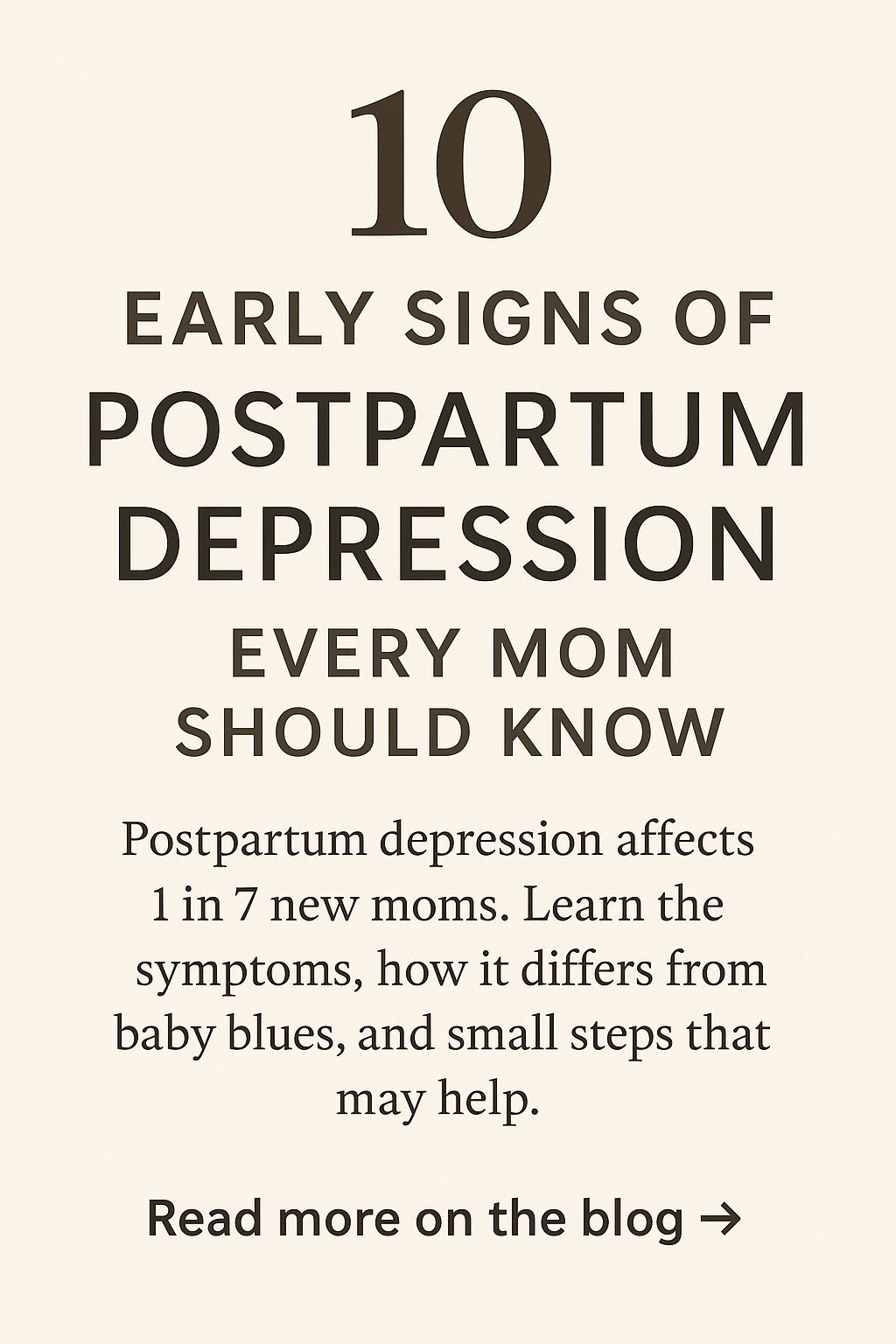
Early Signs of Postpartum Depression Every Mom Should Know

Bringing a new baby into the world is one of life’s most beautiful moments, but for many mothers, it can also be one of the hardest. While it’s normal to feel tired, emotional, or even a little overwhelmed after birth, sometimes these feelings become more intense and linger much longer than expected. That’s where the difference between the baby blues and postpartum depression comes in.

Postpartum depression (PPD) is more common than many realize, and recognizing the early warning signs can make all the difference in getting the help and support you need.

Bringing a new baby into the world is one of life’s most beautiful moments, but for many mothers, it can also be one of the hardest. While it’s normal to feel tired, emotional, or even a little overwhelmed after birth, sometimes these feelings become more intense and linger much longer than expected. That’s where the difference between the baby blues and postpartum depression comes in.

Postpartum depression (PPD) is more common than many realize, and recognizing the early warning signs can make all the difference in getting the help and support you need.


Baby Blues vs. Postpartum Depression

Most new mothers—up to 80%—experience the baby blues within the first few days after birth. These feelings often include mood swings, irritability, and frequent crying. The baby blues usually fade within two weeks as your hormones stabilize and you settle into life with your newborn.

Postpartum depression, however, is different. It’s more intense, lasts longer, and can interfere with your ability to care for yourself and your baby. PPD affects about 1 in 7 women, and it’s not a sign of weakness—it’s a medical condition that deserves care and treatment.


Early Signs of Postpartum Depression

Here are some early symptoms to watch for. Experiencing one or two doesn’t always mean you have PPD, but if they’re persistent or worsening, it’s important to reach out for help:

  1. Persistent sadness or emptiness – Feelings of hopelessness that don’t lift after a couple of weeks.
  2. Intense mood swings – Emotional highs and lows that feel uncontrollable.
  3. Difficulty bonding with your baby – Feeling detached or unable to connect.
  4. Appetite changes – Eating too much or having no appetite at all.
  5. Extreme fatigue or insomnia – Either sleeping too much or being unable to sleep even when the baby does.
  6. Loss of interest in activities – Things you once enjoyed no longer bring pleasure.
  7. Heightened anxiety or panic attacks – Constant worry about your baby’s health or your ability to cope.
  8. Feelings of guilt or worthlessness – Blaming yourself for not being a “good enough” mom.
  9. Difficulty concentrating – Trouble focusing or remembering things.
  10. Thoughts of self-harm or harming your baby – A medical emergency that requires immediate help.

Why Recognizing the Signs Matters

Catching postpartum depression early means you can start receiving support before symptoms worsen. Left untreated, PPD can affect not only your well-being but also your baby’s development and your family’s overall health. But with the right help—whether it’s therapy, support groups, medication, or lifestyle changes—most women recover fully.


Small Steps That May Help

While professional help is key, there are small steps that can support your mental health:

  • Rest whenever you can. Even short naps help.
  • Nourish your body. Eating balanced meals keeps your energy and hormones steady.
  • Gentle movement. A walk outside with the stroller can boost your mood.
  • Breastfeeding or pumping. Breastfeeding releases oxytocin and prolactin, hormones that promote bonding and calmness. If breastfeeding isn’t possible, pumping can still help you maintain milk supply and experience hormonal benefits.
  • Journaling. Writing down your feelings can help release emotions and track your progress.

When to Seek Professional Help

If symptoms last longer than two weeks, are getting worse, or interfere with daily life, it’s time to reach out for help. And if you ever have thoughts of harming yourself or your baby, please seek immediate assistance—call your healthcare provider or local emergency services right away.

Resources to know:


Final Thoughts

If you recognize these signs in yourself—or in someone you love—remember: you are not alone, and help is available. Postpartum depression is treatable, and reaching out for support is a sign of strength, not weakness.

💡 Looking for more ways to support your postpartum journey? Stay tuned for the next article in this series: How Breastfeeding and Pumping Can Support Postpartum Mental Health.

👉 Shop My Favorites: Postpartum Essentials on Amazon for Postpartum Moms!


#PostpartumDepression #NewMomSupport #PostpartumJourney #PostpartumCare #MotherhoodSupport #PostpartumHelp #PostpartumWellness #MentalHealthAwareness #MomLifeSupport #PostpartumRecovery

This post may contain affiliate links. As an Amazon Associate, I earn from qualifying purchases.

Down Came the Rain: My Journey Through Postpartum Depression

In this compelling memoir, Brooke Shields talks candidly about her experience with postpartum depression after the birth of her daughter, and provides millions of women with an inspiring example of recovery.

Brook Shields

In this compelling memoir, Brooke Shields talks candidly about her experience with postpartum depression after the birth of her daughter, and provides millions of women with an inspiring example of recovery.

When Brooke Shields welcomed her newborn daughter, Rowan Francis, into the world, something unexpected followed–a crippling depression. Now, for the first time ever, in Down Came the Rain, Brooke talks about the trials, tribulations, and finally the triumphs that occurred before, during, and after the birth of her daughter.

Down Came the Rain

👉 Shop My Favorites: Postpartum Essentials on Amazon for Postpartum Moms!

Postpartum Depression & Breastfeeding: How Slower Hormone Changes Can Help — Plus the Benefits of Pumping

Bringing a new baby into the world is one of the most incredible experiences, but it also comes with major physical, emotional, and hormonal changes. For many new moms, postpartum depression (PPD) is a real and overwhelming challenge. According to research, around 1 in 7 women experience postpartum depression, making it one of the most common complications after childbirth.

While every woman’s journey is unique, studies show that breastfeeding may play a role in lowering the risk of postpartum depression. That’s because hormone shifts happen more gradually when milk is expressed—whether through nursing or pumping—compared to allowing milk to dry up quickly. Let’s break down why that matters, and how both breastfeeding and pumping can support your mental and physical health during the postpartum

💕 Discover how breastfeeding and pumping help regulate hormones, ease mood swings, and support mental health after birth. Learn the benefits of the Momcozy M5 Hands-Free Wearable Pump for comfort and flexibility.

#postpartum #newmom #breastfeeding

Bringing a new baby into the world is one of the most incredible experiences, but it also comes with major physical, emotional, and hormonal changes. For many new moms, postpartum depression (PPD) is a real and overwhelming challenge. According to research, around 1 in 7 women experience postpartum depression, making it one of the most common complications after childbirth.

While every woman’s journey is unique, studies show that breastfeeding may play a role in lowering the risk of postpartum depression. That’s because hormone shifts happen more gradually when milk is expressed—whether through nursing or pumping—compared to allowing milk to dry up quickly. Let’s break down why that matters, and how both breastfeeding and pumping can support your mental and physical health during the postpartum period.


Why Hormones Play a Role in Postpartum Mood

After birth, estrogen and progesterone levels drop dramatically, triggering many of the physical and emotional changes new moms feel. But when you breastfeed or pump, the decline in these hormones is slower and more gradual. In addition, your body produces oxytocin, sometimes called the “love hormone,” which can:

  • Promote bonding between mom and baby
  • Reduce stress and anxiety
  • Create a sense of calm and relaxation

This gradual hormone shift may help reduce the intensity of mood swings and lower the risk of postpartum depression.


Breastfeeding Benefits Beyond Nutrition

Breastfeeding offers countless benefits for both mom and baby, including:

  • Emotional well-being: The oxytocin released during let-down helps improve mood and lower stress.
  • Physical recovery: Nursing helps the uterus return to pre-pregnancy size and may reduce postpartum bleeding.
  • Baby’s health: Provides antibodies, reduces risk of infections, and supports brain development.
  • Long-term maternal health: Lowers the risk of certain cancers, type 2 diabetes, and high blood pressure.

When Breastfeeding Isn’t Possible — The Benefits of Pumping

Not every mom can or chooses to breastfeed directly—and that’s okay. Pumping allows you to gain many of the same benefits while still feeding your baby breast milk.

Benefits of pumping include:

  • Maintains milk supply even if baby isn’t latching well
  • Continues gradual hormone release, helping stabilize mood and lessen abrupt hormone drops
  • Flexibility: You can share feeding duties with your partner or caregiver
  • Freedom: Pumping makes it easier to return to work, run errands, or simply rest without worry

Choosing the Right Pump

If you’re planning to pump, a comfortable, efficient, and portable breast pump makes all the difference. One highly rated option available on Amazon is the:

👉 Momcozy M5 Hands-Free Wearable Breast pump

Why moms love it:

  • Hands-free design so you can multitask while pumping
  • Double-sealed flange for baby-like comfort and improved suction
  • 3 modes & 9 suction levels to mimic baby’s natural feeding rhythm
  • Portable and discreet, perfect for home or on-the-go use
  • Comes in a 2-pack, ensuring convenience and flexibility

This pump supports your postpartum journey by helping you continue expressing milk comfortably, which may ease the hormonal transitions linked to mood swings and PPD risk.


Final Thoughts

Postpartum depression is complex, and no single solution works for everyone. Still, supporting your body through gradual hormonal changes with breastfeeding or pumping may help protect your mental health while nourishing your baby.

Whether you breastfeed exclusively, pump, or combine the two, the important thing is finding a routine that works best for you and your baby. And if you’re looking for a reliable, hands-free option to make pumping easier, the Momcozy pump  is a smart, mom-approved choice.

Remember: You’re not alone. If you’re struggling with postpartum depression, please reach out to your healthcare provider for support.


👉 Shop My Favorites: Postpartum Essentials on Amazon for Postpartum Moms!

✨ Affiliate Disclaimer: This post contains affiliate links, which means I may earn a small commission at no cost to you if you purchase through my link. I only recommend products I truly believe can support new moms.