Postpartum Depression & Breastfeeding: How Slower Hormone Changes Can Help — Plus the Benefits of Pumping

Bringing a new baby into the world is one of the most incredible experiences, but it also comes with major physical, emotional, and hormonal changes. For many new moms, postpartum depression (PPD) is a real and overwhelming challenge. According to research, around 1 in 7 women experience postpartum depression, making it one of the most common complications after childbirth.

While every woman’s journey is unique, studies show that breastfeeding may play a role in lowering the risk of postpartum depression. That’s because hormone shifts happen more gradually when milk is expressed—whether through nursing or pumping—compared to allowing milk to dry up quickly. Let’s break down why that matters, and how both breastfeeding and pumping can support your mental and physical health during the postpartum period.


Why Hormones Play a Role in Postpartum Mood

After birth, estrogen and progesterone levels drop dramatically, triggering many of the physical and emotional changes new moms feel. But when you breastfeed or pump, the decline in these hormones is slower and more gradual. In addition, your body produces oxytocin, sometimes called the “love hormone,” which can:

  • Promote bonding between mom and baby
  • Reduce stress and anxiety
  • Create a sense of calm and relaxation

This gradual hormone shift may help reduce the intensity of mood swings and lower the risk of postpartum depression.

If breastfeeding feels too emotionally overwhelming, this article may help you understand if you have PPD:

Early Signs of Postpartum Depression


Breastfeeding Benefits Beyond Nutrition

Breastfeeding offers countless benefits for both mom and baby, including:

  • Emotional well-being: The oxytocin released during let-down helps improve mood and lower stress.
  • Physical recovery: Nursing helps the uterus return to pre-pregnancy size and may reduce postpartum bleeding.
  • Baby’s health: Provides antibodies, reduces risk of infections, and supports brain development.
  • Long-term maternal health: Lowers the risk of certain cancers, type 2 diabetes, and high blood pressure.

When Breastfeeding Isn’t Possible — The Benefits of Pumping

Not every mom can or chooses to breastfeed directly—and that’s okay. Pumping allows you to gain many of the same benefits while still feeding your baby breast milk.

Benefits of pumping include:

  • Maintains milk supply even if baby isn’t latching well
  • Continues gradual hormone release, helping stabilize mood and lessen abrupt hormone drops
  • Flexibility: You can share feeding duties with your partner or caregiver
  • Freedom: Pumping makes it easier to return to work, run errands, or simply rest without worry

Choosing the Right Pump

If you’re planning to pump, a comfortable, efficient, and portable breast pump makes all the difference.

The right pump supports your postpartum journey by helping you continue expressing milk comfortably, which may ease the hormonal transitions linked to mood swings and PPD risk.


Final Thoughts

Postpartum depression is complex, and no single solution works for everyone. Still, supporting your body through gradual hormonal changes with breastfeeding or pumping may help protect your mental health while nourishing your baby.

Whether you breastfeed exclusively, pump, or combine the two, the important thing is finding a routine that works best for you and your baby. And if you’re looking for a reliable, hands-free option to make pumping easier, the Momcozy pump ( https://amzn.to/3VJfc6O) is a smart, mom-approved choice.

Remember: You’re not alone. If you’re struggling with postpartum depression, please reach out to your healthcare provider for support.

If you’d like step-by-step, nurse-approved breastfeeding support, I’m releasing a gentle guide this week.

🔗Breastfeeding Made Simple: A Gentle Guide to Breastfeeding


👉 

Sleep Survival Tips for New Moms: How to Rest During the Newborn Stage

Bringing home a new baby is exciting and full of love—but it can also mean sleepless nights and long days. Between late-night feedings, diaper changes, and adjusting to your baby’s needs, sleep often feels like a luxury. While it’s unrealistic to expect full nights of rest in the early weeks, there are ways to maximize the rest you do get and keep exhaustion from overwhelming you.

Here are some tried-and-true sleep survival tips for new moms to help you through the fourth trimester.


1. Sleep When the Baby Sleeps (But Be Flexible)

You’ve probably heard it a hundred times, but it’s true—those little naps add up. Even if you can’t fall asleep, use that time to rest quietly, meditate, or close your eyes.


2. Share the Load With Your Partner

If possible, alternate nighttime responsibilities with your partner or a trusted caregiver. Even splitting the night into shifts—one handles the baby early, the other later—can help both of you get longer stretches of rest.


3. Create a Restful Sleep Environment

When you finally do get the chance to sleep, make sure your environment helps you fall asleep quickly.

  • Keep your room dark and cool.
  • Use blackout curtains or a sleep mask.
  • Block out outside noise with a sound machine.


4. Accept Help From Others

If family or friends offer to help, say yes! Even an hour of rest while someone else holds the baby can make a huge difference in your energy levels.


5. Nap Smarter

Long naps during the day can interfere with nighttime sleep. Instead, aim for 20–40 minute power naps to refresh your body and mind without leaving you groggy.


6. Prioritize Nutrition & Hydration

Exhaustion feels worse when your body isn’t fueled properly. Eating balanced meals and staying hydrated can help fight fatigue and stabilize energy levels.


7. Don’t Strive for Perfection

Housework can wait. Dishes, laundry, and chores don’t need to be perfect right now. Focus on caring for your baby and giving yourself the rest you need to function.


8. Watch for Signs of Postpartum Depression or Anxiety

If you’re feeling overwhelmed, sad, or unable to sleep even when given the chance, talk to your healthcare provider. Sometimes exhaustion is worsened by postpartum mood disorders, and getting support is an important part of recovery.


Final Thoughts

The newborn stage is temporary, and while sleep may feel scarce, small changes can make a big difference in how you feel. Remember—you’re not alone, and prioritizing your rest is just as important as caring for your baby.

✨ Check out my ebooks:

Breastfeeding Made Simple – a basic breastfeeding guide

Nobody Told Me This Part: A Gentle Guide Through Postpartum Depression & Anxiety


👉 


#NewMomTips #PostpartumRecovery #SleepTipsForMoms #MotherhoodJourney #PostpartumWellness #NewbornLife #MomLifeHacks #BabyTips #PostpartumCare #FourthTrimester

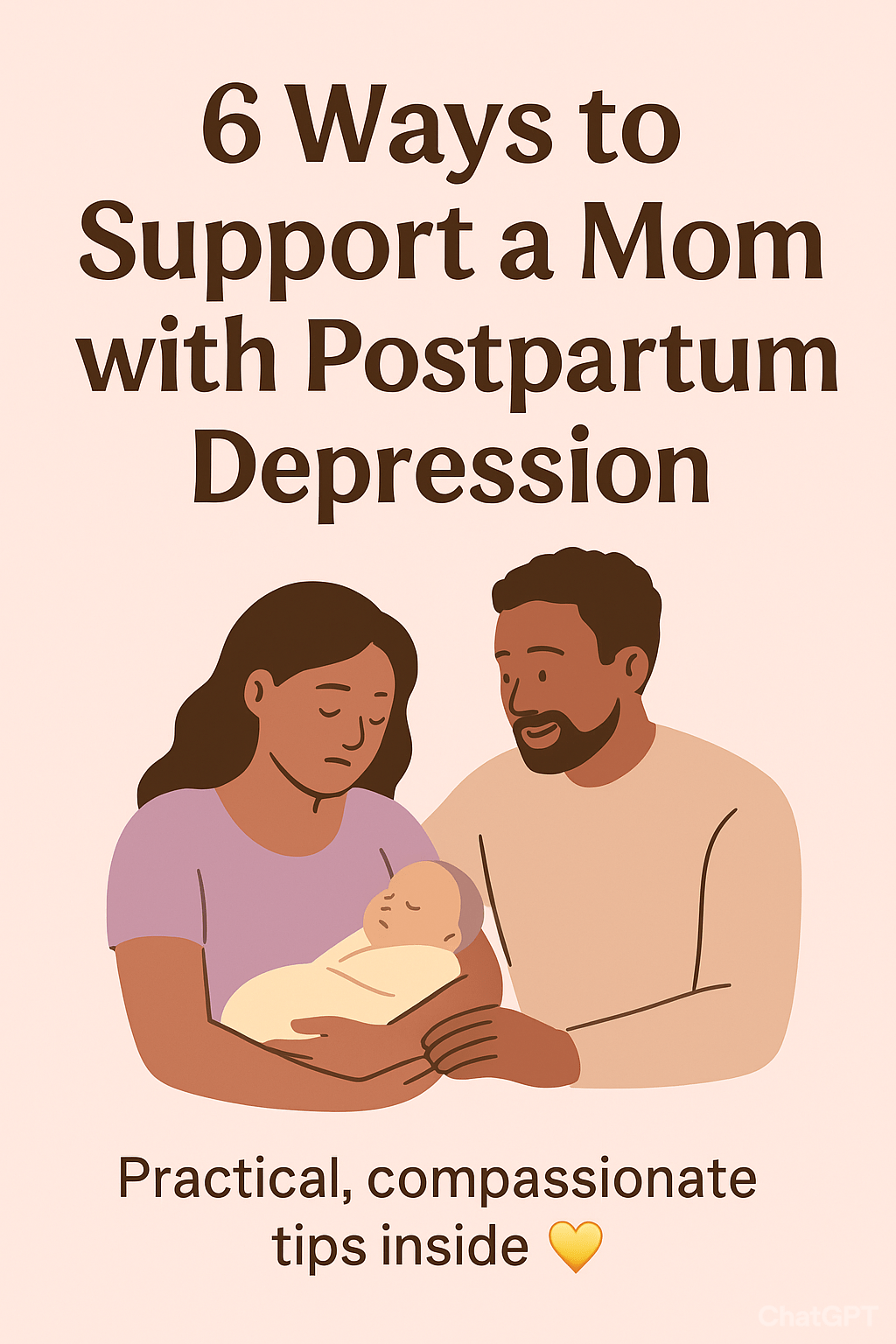
How Partners and Family Can Help a New Mom Struggling with Postpartum Depression

Bringing home a new baby is often pictured as a time filled with joy, snuggles, and happy memories. But for many moms, postpartum depression (PPD) makes this transition overwhelming and isolating. Loved ones—partners, family, and friends—often want to help but aren’t sure how. The truth is, your support can make a world of difference in her recovery.

Bringing home a new baby is often pictured as a time filled with joy, snuggles, and happy memories. But for many moms, postpartum depression (PPD) makes this transition overwhelming and isolating. Loved ones—partners, family, and friends—often want to help but aren’t sure how. The truth is, your support can make a world of difference in her recovery.

This guide will walk you through practical, compassionate ways to support a new mom struggling with postpartum depression.


1. Learn to Listen Without Judgment

One of the most powerful things you can do is simply listen. A mom going through PPD may feel guilt or shame for not feeling “happy enough.” Avoid trying to “fix” her feelings or offering quick solutions. Instead:

  • Say things like, “I’m here for you,” or “You’re not alone in this.”
  • Create space for her to share openly, without fear of judgment.
  • Let silence be okay—sometimes being present is all she needs.

2. Take Over Chores and Household Tasks

Postpartum depression can make even small daily tasks feel impossible. Offering practical help can relieve stress and give her room to breathe:

  • Cook or drop off a meal.
  • Take over laundry or dishes without being asked.
  • Run errands so she doesn’t have to.

Even better, don’t wait for her to ask—anticipate what needs to be done.


3. Encourage Rest and Breaks

New moms often feel pressure to “do it all.” Remind her that taking breaks is not selfish—it’s necessary. You can help by:

  • Watching the baby so she can nap or shower.
  • Suggesting a short walk together for fresh air.
  • Offering to care for the baby so she can enjoy a quiet activity she loves.

4. Watch for Warning Signs

While many moms experience “baby blues,” postpartum depression is deeper and longer-lasting. As a partner or loved one, you can help by noticing signs such as:

  • Persistent sadness or irritability
  • Difficulty bonding with the baby
  • Withdrawing from loved ones
  • Trouble sleeping (beyond normal newborn exhaustion)
  • Thoughts of self-harm

If you notice these signs, encourage her to reach out to her doctor or a mental health professional. Offer to go with her to the appointment if she feels nervous.


5. Offer Emotional Encouragement

A mom struggling with PPD may feel like she’s failing, even though she’s doing her best. Uplift her with reminders:

  • “You’re a wonderful mom, even on tough days.”
  • “It’s okay to ask for help. You don’t have to carry this alone.”
  • “I’m proud of you.”

Sometimes these small affirmations can help her feel seen and valued.


6. Take Care of Yourself, Too

Supporting someone with PPD can be emotionally draining. Make sure you’re practicing self-care so you can show up fully for her. This might include getting your own rest, seeking support from friends, or talking with a counselor. Remember: supporting her doesn’t mean you have to do it perfectly—you just have to show up.


Final Thoughts

Postpartum depression is not a reflection of a mom’s love for her baby—it’s a medical condition that requires compassion and support. As a partner, family member, or friend, you have a unique role in helping her feel less alone and more supported.

By listening, helping with daily tasks, encouraging rest, and being mindful of warning signs, you can help her move toward healing.

✨ Remember: Love, patience, and presence are the greatest gifts you can give a new mom struggling with postpartum depression.

👉 Check out my guide: Nobody told me this part Nobody Told Me This Part

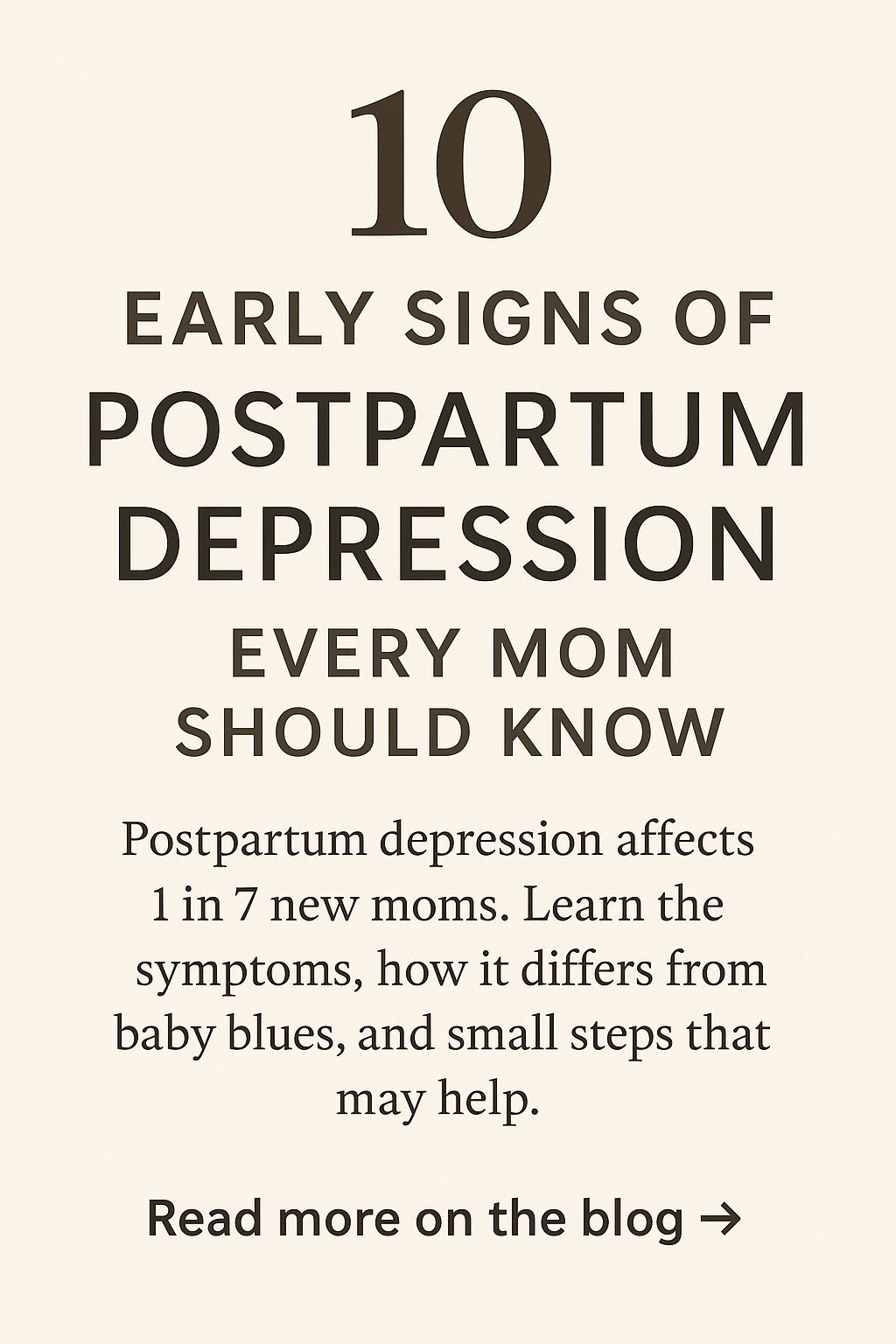
Early Signs of Postpartum Depression Every Mom Should Know

Bringing a new baby into the world is one of life’s most beautiful moments, but for many mothers, it can also be one of the hardest. While it’s normal to feel tired, emotional, or even a little overwhelmed after birth, sometimes these feelings become more intense and linger much longer than expected. That’s where the difference between the baby blues and postpartum depression comes in.

Postpartum depression (PPD) is more common than many realize, and recognizing the early warning signs can make all the difference in getting the help and support you need.

Bringing a new baby into the world is one of life’s most beautiful moments, but for many mothers, it can also be one of the hardest. While it’s normal to feel tired, emotional, or even a little overwhelmed after birth, sometimes these feelings become more intense and linger much longer than expected. That’s where the difference between the baby blues and postpartum depression comes in.

Postpartum depression (PPD) is more common than many realize, and recognizing the early warning signs can make all the difference in getting the help and support you need.


Baby Blues vs. Postpartum Depression

Most new mothers—up to 80%—experience the baby blues within the first few days after birth. These feelings often include mood swings, irritability, and frequent crying. The baby blues usually fade within two weeks as your hormones stabilize and you settle into life with your newborn.

Postpartum depression, however, is different. It’s more intense, lasts longer, and can interfere with your ability to care for yourself and your baby. PPD affects about 1 in 7 women, and it’s not a sign of weakness—it’s a medical condition that deserves care and treatment.


Early Signs of Postpartum Depression

Here are some early symptoms to watch for. Experiencing one or two doesn’t always mean you have PPD, but if they’re persistent or worsening, it’s important to reach out for help:

  1. Persistent sadness or emptiness – Feelings of hopelessness that don’t lift after a couple of weeks.
  2. Intense mood swings – Emotional highs and lows that feel uncontrollable.
  3. Difficulty bonding with your baby – Feeling detached or unable to connect.
  4. Appetite changes – Eating too much or having no appetite at all.
  5. Extreme fatigue or insomnia – Either sleeping too much or being unable to sleep even when the baby does.
  6. Loss of interest in activities – Things you once enjoyed no longer bring pleasure.
  7. Heightened anxiety or panic attacks – Constant worry about your baby’s health or your ability to cope.
  8. Feelings of guilt or worthlessness – Blaming yourself for not being a “good enough” mom.
  9. Difficulty concentrating – Trouble focusing or remembering things.
  10. Thoughts of self-harm or harming your baby – A medical emergency that requires immediate help.

Why Recognizing the Signs Matters

Catching postpartum depression early means you can start receiving support before symptoms worsen. Left untreated, PPD can affect not only your well-being but also your baby’s development and your family’s overall health. But with the right help—whether it’s therapy, support groups, medication, or lifestyle changes—most women recover fully.


Small Steps That May Help

While professional help is key, there are small steps that can support your mental health:

  • Rest whenever you can. Even short naps help.
  • Nourish your body. Eating balanced meals keeps your energy and hormones steady.
  • Gentle movement. A walk outside with the stroller can boost your mood.
  • Breastfeeding or pumping. Breastfeeding releases oxytocin and prolactin, hormones that promote bonding and calmness. If breastfeeding isn’t possible, pumping can still help you maintain milk supply and experience hormonal benefits.
  • Journaling. Writing down your feelings can help release emotions and track your progress.

When to Seek Professional Help

If symptoms last longer than two weeks, are getting worse, or interfere with daily life, it’s time to reach out for help. And if you ever have thoughts of harming yourself or your baby, please seek immediate assistance—call your healthcare provider or local emergency services right away.

Resources to know:


Final Thoughts

If you recognize these signs in yourself—or in someone you love—remember: you are not alone, and help is available. Postpartum depression is treatable, and reaching out for support is a sign of strength, not weakness.

This post is part of the support that inspired my gentle postpartum depression guide:

➡️ Nobody Told Me This Part: A Gentle Guide Through Postpartum Anxiety & Depression

👉 


#PostpartumDepression #NewMomSupport #PostpartumJourney #PostpartumCare #MotherhoodSupport #PostpartumHelp #PostpartumWellness #MentalHealthAwareness #MomLifeSupport #PostpartumRecovery

Down Came the Rain: My Journey Through Postpartum Depression

In this compelling memoir, Brooke Shields talks candidly about her experience with postpartum depression after the birth of her daughter, and provides millions of women with an inspiring example of recovery.

Brook Shields

In this compelling memoir, Brooke Shields talks candidly about her experience with postpartum depression after the birth of her daughter, and provides millions of women with an inspiring example of recovery.

When Brooke Shields welcomed her newborn daughter, Rowan Francis, into the world, something unexpected followed–a crippling depression. Now, for the first time ever, in Down Came the Rain, Brooke talks about the trials, tribulations, and finally the triumphs that occurred before, during, and after the birth of her daughter.

Down Came the Rain

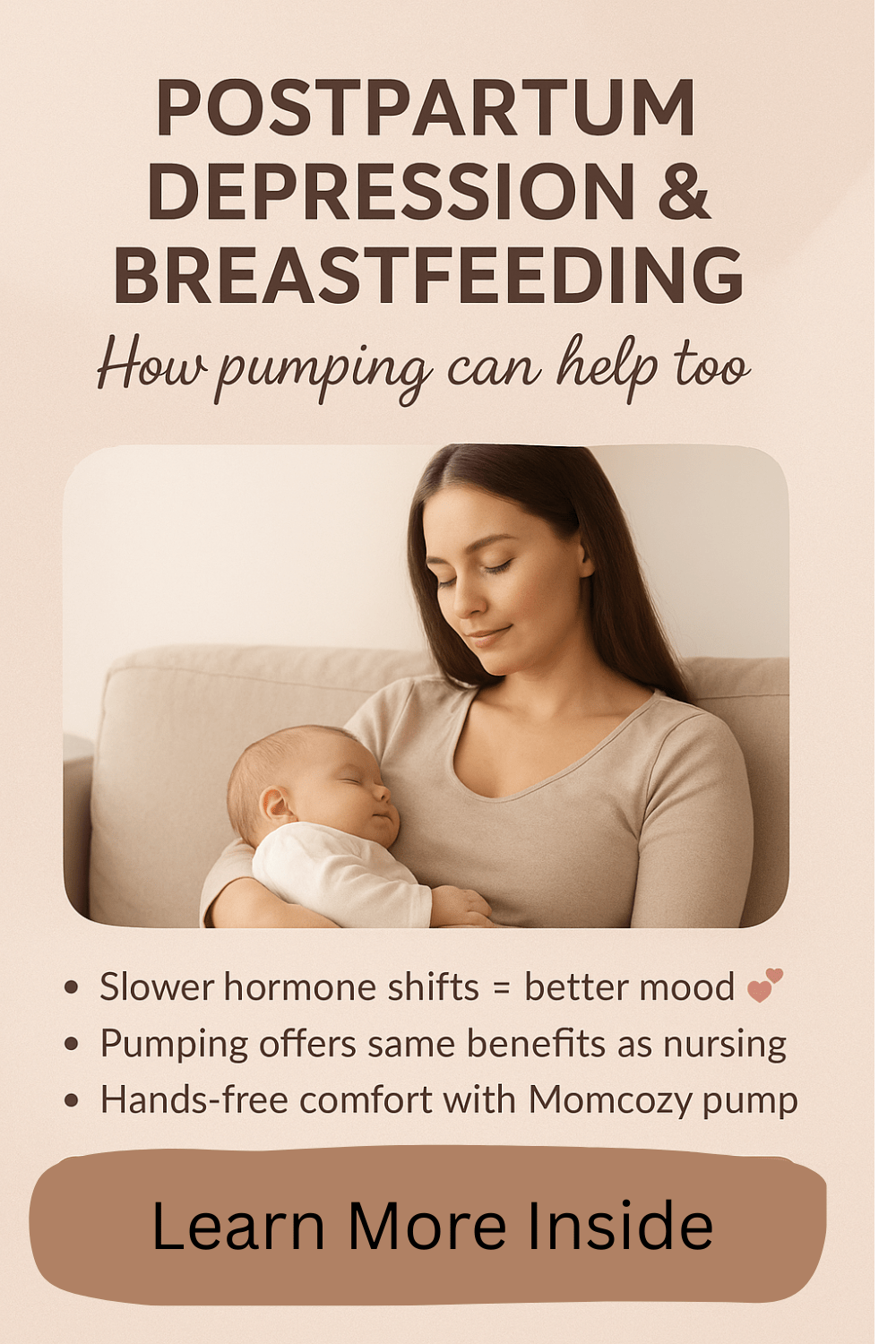
Postpartum Depression & Breastfeeding: How Slower Hormone Changes Can Help — Plus the Benefits of Pumping

Bringing a new baby into the world is one of the most incredible experiences, but it also comes with major physical, emotional, and hormonal changes. For many new moms, postpartum depression (PPD) is a real and overwhelming challenge. According to research, around 1 in 7 women experience postpartum depression, making it one of the most common complications after childbirth.

While every woman’s journey is unique, studies show that breastfeeding may play a role in lowering the risk of postpartum depression. That’s because hormone shifts happen more gradually when milk is expressed—whether through nursing or pumping—compared to allowing milk to dry up quickly. Let’s break down why that matters, and how both breastfeeding and pumping can support your mental and physical health during the postpartum

💕 Discover how breastfeeding and pumping help regulate hormones, ease mood swings, and support mental health after birth. Learn the benefits of the Momcozy M5 Hands-Free Wearable Pump for comfort and flexibility.

#postpartum #newmom #breastfeeding

Bringing a new baby into the world is one of the most incredible experiences, but it also comes with major physical, emotional, and hormonal changes. For many new moms, postpartum depression (PPD) is a real and overwhelming challenge. According to research, around 1 in 7 women experience postpartum depression, making it one of the most common complications after childbirth.

While every woman’s journey is unique, studies show that breastfeeding may play a role in lowering the risk of postpartum depression. That’s because hormone shifts happen more gradually when milk is expressed—whether through nursing or pumping—compared to allowing milk to dry up quickly. Let’s break down why that matters, and how both breastfeeding and pumping can support your mental and physical health during the postpartum period.


Why Hormones Play a Role in Postpartum Mood

After birth, estrogen and progesterone levels drop dramatically, triggering many of the physical and emotional changes new moms feel. But when you breastfeed or pump, the decline in these hormones is slower and more gradual. In addition, your body produces oxytocin, sometimes called the “love hormone,” which can:

  • Promote bonding between mom and baby
  • Reduce stress and anxiety
  • Create a sense of calm and relaxation

This gradual hormone shift may help reduce the intensity of mood swings and lower the risk of postpartum depression.


Breastfeeding Benefits Beyond Nutrition

Breastfeeding offers countless benefits for both mom and baby, including:

  • Emotional well-being: The oxytocin released during let-down helps improve mood and lower stress.
  • Physical recovery: Nursing helps the uterus return to pre-pregnancy size and may reduce postpartum bleeding.
  • Baby’s health: Provides antibodies, reduces risk of infections, and supports brain development.
  • Long-term maternal health: Lowers the risk of certain cancers, type 2 diabetes, and high blood pressure.

When Breastfeeding Isn’t Possible — The Benefits of Pumping

Not every mom can or chooses to breastfeed directly—and that’s okay. Pumping allows you to gain many of the same benefits while still feeding your baby breast milk.

Benefits of pumping include:

  • Maintains milk supply even if baby isn’t latching well
  • Continues gradual hormone release, helping stabilize mood and lessen abrupt hormone drops
  • Flexibility: You can share feeding duties with your partner or caregiver
  • Freedom: Pumping makes it easier to return to work, run errands, or simply rest without worry

Learn more about breastfeeding basics:

Breastfeeding Without Tears


Final Thoughts

Postpartum depression is complex, and no single solution works for everyone. Still, supporting your body through gradual hormonal changes with breastfeeding or pumping may help protect your mental health while nourishing your baby.

Whether you breastfeed exclusively, pump, or combine the two, the important thing is finding a routine that works best for you and your baby.

Remember: You’re not alone. If you’re struggling with postpartum depression, please reach out to your healthcare provider for support. To learn more, get my ebook: Nobody Told Me This Part . https://karensclassythings.etsy.com/listing/4424034075


Postpartum Wellness

I recreated this space from selling vintage items (I still sell lol just redirecting my efforts), to offer real support for mothers, fathers, and families navigating life after birth. Here, you’ll find practical tips for coping with postpartum anxiety, honest conversations about maternal mental health, and guidance for partners who want to help but may not know how. My first topic will be postpartum depression. I am putting finishing touches on a book I have written on this topic. So stayed tuned! Visit my pages to see the first important information on postpartum depression- a mental health resource & support worksheet with book recommendations. Be patient with me while I navigate how to run a website page. I will also be adding product links on items I feel will help new mothers go through their journey. Check out my “Shop My Favorites” page. Thank you.

Recommend this book: Why Olivia Wrote Secrets of Raven’s Hollow: The Power of Unsolved Truths

Every story begins with a question. For me, it was: What if the place you called home was hiding the truth about the person you loved most? That question led me to write Secrets of Raven’s Hollow.


Returning to your hometown can feel like opening a dusty attic—familiar, but unsettling. For Claire Donovan, that attic is Raven’s Hollow, a small town where nothing is quite what it seems.

As a writer, I’ve always been fascinated by buried secrets and the emotional weight they carry. Claire’s journey mirrors what many of us fear: the idea that the people we trust may not be who they appear to be. Through her relentless pursuit of the truth behind her sister’s disappearance and a suspicious death, I wanted to explore what it means to stand up against corruption—even when it hits closest to home.

Secrets of Raven’s Hollow isn’t just a murder mystery. It’s a story about confronting the past, about love and loyalty tested by time, and about one woman’s refusal to let the truth stay buried.


If you’ve ever wondered how far you’d go for justice—or for family—this story might resonate with you more than you think.

Secrets of Raven’s Hollow

Book 2 Available now for Preorder Echoes of the Past in Raven’s Hollow : A Gripping Mystery Thriller of Secrets and Lies

Echoes of the Past in Raven’s Hollow

Writing Book 2 of the Claire Raven Series has been an incredible journey—one filled with twists and turns, much like the story itself. When I first introduced Claire in Secrets of Raven’s Hollow, I had no idea how deeply I would come to know her, nor how much her world would grow with each page. This book allowed me to dive even further into her story, exploring the weight of the past, the resilience of the human spirit, and the unbreakable bonds of family, friendship, and loyalty.
One of the most rewarding aspects of writing this book was the chance to return to Raven’s Hollow, a town that feels almost as real to me as any small town I’ve ever known. I’ve always been drawn to atmospheric settings, where the town itself becomes a character, holding its own secrets and shaping the people who live there. The idea of a place where mystery lingers just beneath the surfacehas always fascinated me, and I loved crafting a story where Raven’s Hollow once again proves that its past is never truly buried.
This book also deepened my connection to Claire. In Secrets of Raven’s Hollow, she was determined to uncover the truth about her sister’s disappearance and the death of Oliver, a key figure in town. Now, in Book 2, Claire faces a new mystery—one that forces her to confront her own fears, test the limits of trust, and fight for the life she has built. She is no longer just chasing answers—she’s protecting her future.
If you’ve read my previous books, you’ll know that I love writing stories that blend mystery, suspense, and small-town intrigue. There’s something captivating about peeling back the layers of a community, revealing the hidden truths that lie just beneath the surface. Whether it’s a past crime resurfacing, a town grappling with its own secrets, or a character discovering that nothing is quite as it seems, I strive to create gripping, emotional, and suspenseful stories that keep you turning the pages.
Writing this book challenged me in new ways. Balancing the suspense with character-driven moments, weaving together past and present mysteries, and keeping the tension high while allowing room for emotional depth—it was a process that pushed me as a writer, but one that I enjoyed immensely.
Most of all, this book is about second chances—not just for Claire, but for many of the characters in Raven’s Hollow. It’s about the choices we make, the past we can’t escape, and the hope that, no matter how dark things seem, there’s always a path forward.
I hope you enjoy this next chapter in Claire’s story as much as I enjoyed writing it. Thank you for being part of this journey—whether you’ve been with me from the beginning or are just discovering my books now, I’m so grateful for each and every reader.
Happy reading!
Olivia Winter
Writing Book 2 of the Claire Raven Series has been an incredible journey—one filled with twists and turns, much like the story itself. When I first introduced Claire in Secrets of Raven’s Hollow, I had no idea how deeply I would come to know her, nor how much her world would grow with each page. This book allowed me to dive even further into her story, exploring the weight of the past, the resilience of the human spirit, and the unbreakable bonds of family, friendship, and loyalty.
One of the most rewarding aspects of writing this book was the chance to return to Raven’s Hollow, a town that feels almost as real to me as any small town I’ve ever known. I’ve always been drawn to atmospheric settings, where the town itself becomes a character, holding its own secrets and shaping the people who live there. The idea of a place where mystery lingers just beneath the surfacehas always fascinated me, and I loved crafting a story where Raven’s Hollow once again proves that its past is never truly buried.
This book also deepened my connection to Claire. In Secrets of Raven’s Hollow, she was determined to uncover the truth about her sister’s disappearance and the death of Oliver, a key figure in town. Now, in Book 2, Claire faces a new mystery—one that forces her to confront her own fears, test the limits of trust, and fight for the life she has built. She is no longer just chasing answers—she’s protecting her future.
If you’ve read my previous books, you’ll know that I love writing stories that blend mystery, suspense, and small-town intrigue. There’s something captivating about peeling back the layers of a community, revealing the hidden truths that lie just beneath the surface. Whether it’s a past crime resurfacing, a town grappling with its own secrets, or a character discovering that nothing is quite as it seems, I strive to create gripping, emotional, and suspenseful stories that keep you turning the pages.
Writing this book challenged me in new ways. Balancing the suspense with character-driven moments, weaving together past and present mysteries, and keeping the tension high while allowing room for emotional depth—it was a process that pushed me as a writer, but one that I enjoyed immensely.
Most of all, this book is about second chances—not just for Claire, but for many of the characters in Raven’s Hollow. It’s about the choices we make, the past we can’t escape, and the hope that, no matter how dark things seem, there’s always a path forward.
I hope you enjoy this next chapter in Claire’s story as much as I enjoyed writing it. Thank you for being part of this journey—whether you’ve been with me from the beginning or are just discovering my books now, I’m so grateful for each and every reader.
Happy reading!
Olivia