Why New Moms Feel Emotionally Overwhelmed — and What to Do First

Your emotional health matters just as much as physical recovery after birth. Learn how to protect your mental well-being during postpartum without guilt or pressure.

#PostpartumCare #MentalHealthForMoms #MaternalWellness #PostpartumJourney #MotherhoodSupport

If you feel emotionally overwhelmed after baby, you are not weak — you are responding to massive physical, hormonal, and emotional change.

Many moms say:

  • “I cry for no reason”
  • “I feel on edge all the time”
  • “I don’t feel like myself anymore”

This is common — and manageable.

Why Emotional Overwhelm Happens

After birth, hormone levels shift rapidly. Combine that with sleep loss, identity changes, and constant responsibility, and your nervous system becomes overloaded.

This isn’t a personal failure — it’s biology plus pressure.

What to Do First (Before Anything Else)

Instead of fixing everything at once, start here:

Regulate your body before your mind.

  • Take slow, deep breaths
  • Drink water
  • Eat something grounding
  • Sit or lie down without stimulation

Once your body feels safer, your emotions can soften.

One Small Step That Helps

Create one non-negotiable daily pause — even 5 minutes — where you do nothing but breathe or rest.

It matters more than you think.

✨ For more gentle, realistic support, read the full self-care guide here:
👉 Self-Care for Moms: Simple Ways to Protect Your Mental Health After Baby

If sleep and anxiety have felt especially heavy, a weighted blanket can provide calming, deep-pressure comfort — I’ve linked the one many postpartum moms find soothing during rest and nighttime wind-down.

➡️ 💤  Weighted Blanket for Deep Relaxation: YnM 15lbs Weighted Blanket

This post may contain affiliate links. I only recommend products I genuinely believe can support new moms.

The Power of Rest: Why Slowing Down Is the Secret to Postpartum Healing

As a nurse who has cared for countless mothers, I’ve seen how deeply the body and mind need time to heal after birth. Rest isn’t a luxury — it’s medicine. The postpartum period, often called the fourth trimester, is a time of incredible transformation, and slowing down is what allows your body to rebuild, your hormones to rebalance, and your spirit to find steady ground again.

Rest Isn’t Indulgent — It’s Essential

We live in a world that celebrates the “bounce back.” New moms are often praised for how quickly they fit into their jeans again or get back to “normal life.” But the truth is, there’s no medal for rushing postpartum recovery.

As a nurse who has cared for countless mothers, I’ve seen how deeply the body and mind need time to heal after birth. Rest isn’t a luxury — it’s medicine. The postpartum period, often called the fourth trimester, is a time of incredible transformation, and slowing down is what allows your body to rebuild, your hormones to rebalance, and your spirit to find steady ground again.

💡 Affiliate Disclosure: This post contains affiliate links, which means I may earn a small commission at no extra cost to you if you purchase through my links.


Section 1: What Happens When We Don’t Rest

When you push through exhaustion, your body pays the price — even if you don’t feel it right away. Lack of rest after birth can:

  • Delay healing of the pelvic floor and abdomen
  • Disrupt milk supply and hormonal balance
  • Increase inflammation, stress, and mood swings
  • Heighten the risk of postpartum anxiety or depression

After delivery, your hormones shift dramatically. Your body begins repairing tissue, rebuilding blood volume, and adjusting to new metabolic demands. Without rest, these processes slow down — and your emotional health can take a hit.

Affiliate Tip: A supportive Labor and postpartum recovery lounge kit or nursing-friendly Pajamas can make resting more comfortable and help you feel human again. Look for breathable fabrics and styles designed for nursing.


Section 2: The Science of Rest — How the Body Rebuilds After Birth

Rest is the quiet work your body does when you’re still. During postpartum recovery, rest supports:

  • Uterine healing: Contractions continue after birth as your uterus returns to its pre-pregnancy size.
  • Hormonal regulation: Sleep and rest stabilize prolactin, oxytocin, and cortisol — essential for milk production, bonding, and mood.
  • Tissue repair: Your body rebuilds muscle and tissue strained during pregnancy and delivery.
  • Mental recovery: Rest helps your brain adjust to motherhood and regulate stress.

Affiliate Tip: A cooling gel seat cushion or memory foam nursing pillow can make sitting or feeding more comfortable while your body recovers. Small physical comforts often lead to big emotional relief.


Section 3: Realistic Ways to Rest (Even With a Newborn)

Rest doesn’t always mean eight hours of uninterrupted sleep — it’s about creating small, intentional pauses throughout your day. Try these ideas:

  • Nap when baby naps, even if it’s only 20 minutes.
  • Accept help — if someone offers to cook or fold laundry, say yes.
  • Set up a “rest station” near your nursing chair: water, snacks, burp cloths, and your phone.
  • Use gentle support products like a hands-free breast pump (Momcozy M5 or Willow Go) so you can rest your arms while expressing milk.
  • Use a sound machine or soothing diffuser to create a calm environment for both you and baby.

Affiliate Tip: The Momcozy M5 Hands-Free Pump lets you rest upright or reclined while pumping, reducing strain on your wrists and shoulders — a small win that makes a big difference in recovery.


Section 4: Rest vs. Sleep — Both Matter

Many moms feel defeated when they hear “get more sleep.” While sleep is critical for physical healing, rest goes beyond sleep.

Rest means slowing your body and quieting your mind, even when you’re awake. That could mean sitting quietly with your baby on your chest, enjoying sunlight on your porch, or taking a short walk in the afternoon.

Think of sleep as repair, and rest as recharge — both are essential for full postpartum healing.

Affiliate Tip: Try a weighted blanket like Mr. Sandman Weighted Blankets for Adults Queen Size 15lbs, Warm Sherpa Fleece Throw Blanket for Sleep and Calm, Soft Cozy Heavy Bed Blanket or a lavender essential oil roller during brief rest moments — both promote relaxation and help signal your body to slow down.


Closing: Rest Is the Foundation of Strength

You don’t need to prove your strength by doing it all. True strength comes from honoring your body’s need to slow down.

When you rest, you heal. You rebuild. You nurture yourself so you can nurture your baby.

Your body has done something miraculous — now it deserves the same tenderness and care you give your newborn.


Continue Reading

If you found this helpful, you’ll also love:
👉 Self-Care for New Moms: Simple Ways to Protect Your Mental Health After Baby
👉Sleep Survival Tips for New Moms: How to Rest During the Newborn Stage

We live in a world that celebrates the “bounce back.” New moms are often praised for how quickly they fit into their jeans again or get back to “normal life.” But the truth is, there’s no medal for rushing postpartum recovery.

As a nurse who has cared for countless mothers, I’ve seen how deeply the body and mind need time to heal after birth. Rest isn’t a luxury — it’s medicine. The postpartum period, often called the fourth trimester, is a time of incredible transformation, and slowing down is what allows your body to rebuild, your hormones to rebalance, and your spirit to find steady ground again.

💡 Affiliate Disclosure: This post contains affiliate links, which means I may earn a small commission at no extra cost to you if you purchase through my links.


Continue Reading

If you found this helpful, you’ll also love:
👉 Self-Care for New Moms: Simple Ways to Protect Your Mental Health After Baby
👉 Sleep Survival Tips for New Moms: How to Rest During the Newborn Stage

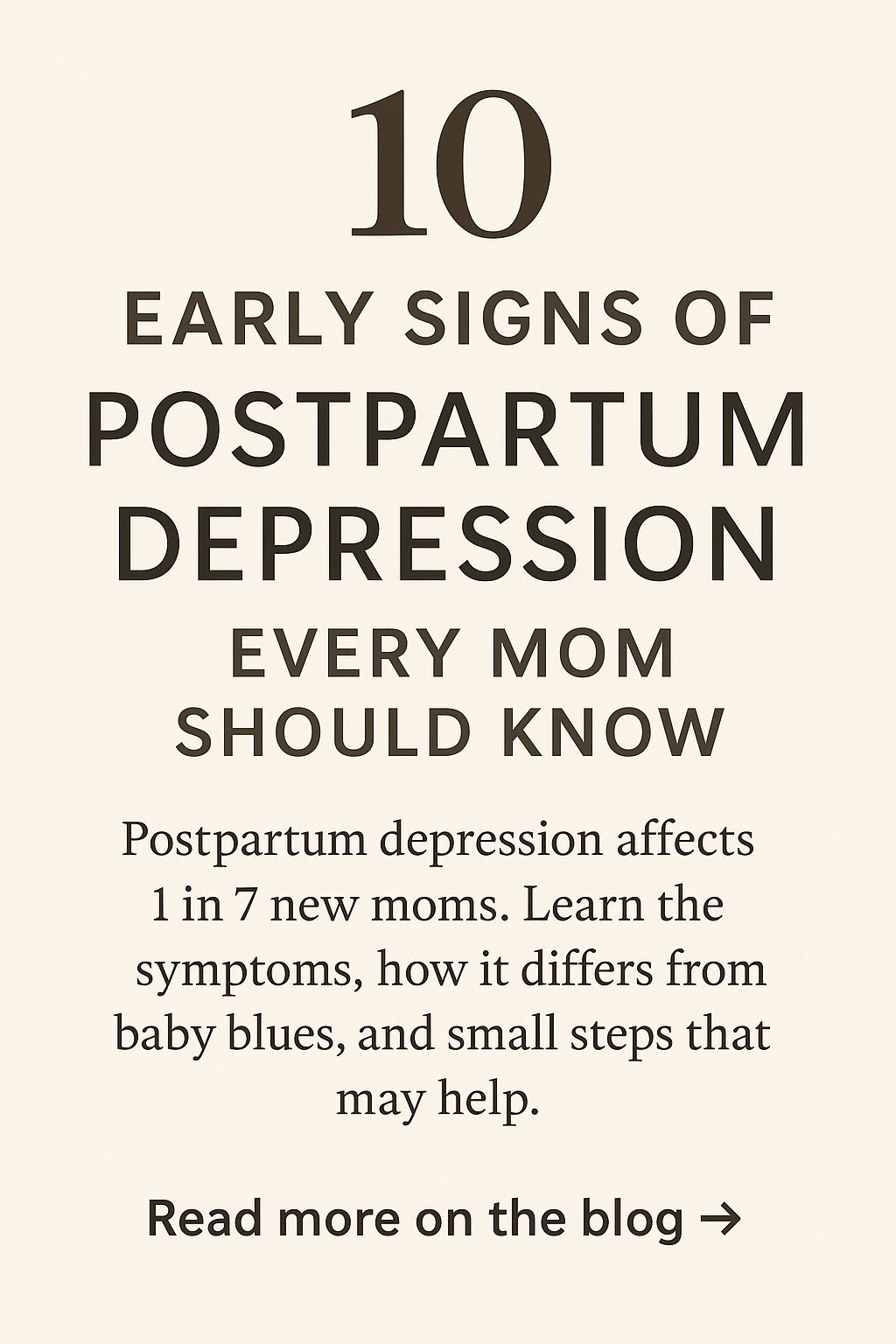
Early Signs of Postpartum Depression Every Mom Should Know

Bringing a new baby into the world is one of life’s most beautiful moments, but for many mothers, it can also be one of the hardest. While it’s normal to feel tired, emotional, or even a little overwhelmed after birth, sometimes these feelings become more intense and linger much longer than expected. That’s where the difference between the baby blues and postpartum depression comes in.

Postpartum depression (PPD) is more common than many realize, and recognizing the early warning signs can make all the difference in getting the help and support you need.

Bringing a new baby into the world is one of life’s most beautiful moments, but for many mothers, it can also be one of the hardest. While it’s normal to feel tired, emotional, or even a little overwhelmed after birth, sometimes these feelings become more intense and linger much longer than expected. That’s where the difference between the baby blues and postpartum depression comes in.

Postpartum depression (PPD) is more common than many realize, and recognizing the early warning signs can make all the difference in getting the help and support you need.


Baby Blues vs. Postpartum Depression

Most new mothers—up to 80%—experience the baby blues within the first few days after birth. These feelings often include mood swings, irritability, and frequent crying. The baby blues usually fade within two weeks as your hormones stabilize and you settle into life with your newborn.

Postpartum depression, however, is different. It’s more intense, lasts longer, and can interfere with your ability to care for yourself and your baby. PPD affects about 1 in 7 women, and it’s not a sign of weakness—it’s a medical condition that deserves care and treatment.


Early Signs of Postpartum Depression

Here are some early symptoms to watch for. Experiencing one or two doesn’t always mean you have PPD, but if they’re persistent or worsening, it’s important to reach out for help:

  1. Persistent sadness or emptiness – Feelings of hopelessness that don’t lift after a couple of weeks.
  2. Intense mood swings – Emotional highs and lows that feel uncontrollable.
  3. Difficulty bonding with your baby – Feeling detached or unable to connect.
  4. Appetite changes – Eating too much or having no appetite at all.
  5. Extreme fatigue or insomnia – Either sleeping too much or being unable to sleep even when the baby does.
  6. Loss of interest in activities – Things you once enjoyed no longer bring pleasure.
  7. Heightened anxiety or panic attacks – Constant worry about your baby’s health or your ability to cope.
  8. Feelings of guilt or worthlessness – Blaming yourself for not being a “good enough” mom.
  9. Difficulty concentrating – Trouble focusing or remembering things.
  10. Thoughts of self-harm or harming your baby – A medical emergency that requires immediate help.

Why Recognizing the Signs Matters

Catching postpartum depression early means you can start receiving support before symptoms worsen. Left untreated, PPD can affect not only your well-being but also your baby’s development and your family’s overall health. But with the right help—whether it’s therapy, support groups, medication, or lifestyle changes—most women recover fully.


Small Steps That May Help

While professional help is key, there are small steps that can support your mental health:

  • Rest whenever you can. Even short naps help.
  • Nourish your body. Eating balanced meals keeps your energy and hormones steady.
  • Gentle movement. A walk outside with the stroller can boost your mood.
  • Breastfeeding or pumping. Breastfeeding releases oxytocin and prolactin, hormones that promote bonding and calmness. If breastfeeding isn’t possible, pumping can still help you maintain milk supply and experience hormonal benefits.
  • Journaling. Writing down your feelings can help release emotions and track your progress.

When to Seek Professional Help

If symptoms last longer than two weeks, are getting worse, or interfere with daily life, it’s time to reach out for help. And if you ever have thoughts of harming yourself or your baby, please seek immediate assistance—call your healthcare provider or local emergency services right away.

Resources to know:


Final Thoughts

If you recognize these signs in yourself—or in someone you love—remember: you are not alone, and help is available. Postpartum depression is treatable, and reaching out for support is a sign of strength, not weakness.

This post is part of the support that inspired my gentle postpartum depression guide:

➡️ Nobody Told Me This Part: Navigating Postpartum Anxiety & Depression

👉 Shop My Favorites: Postpartum Essentials on Amazon for Postpartum Moms!


This post may contain affiliate links. As an Amazon Associate, I earn from qualifying purchases.