Investing in Comfort: Simple Ways to Support Your Postpartum Recovery

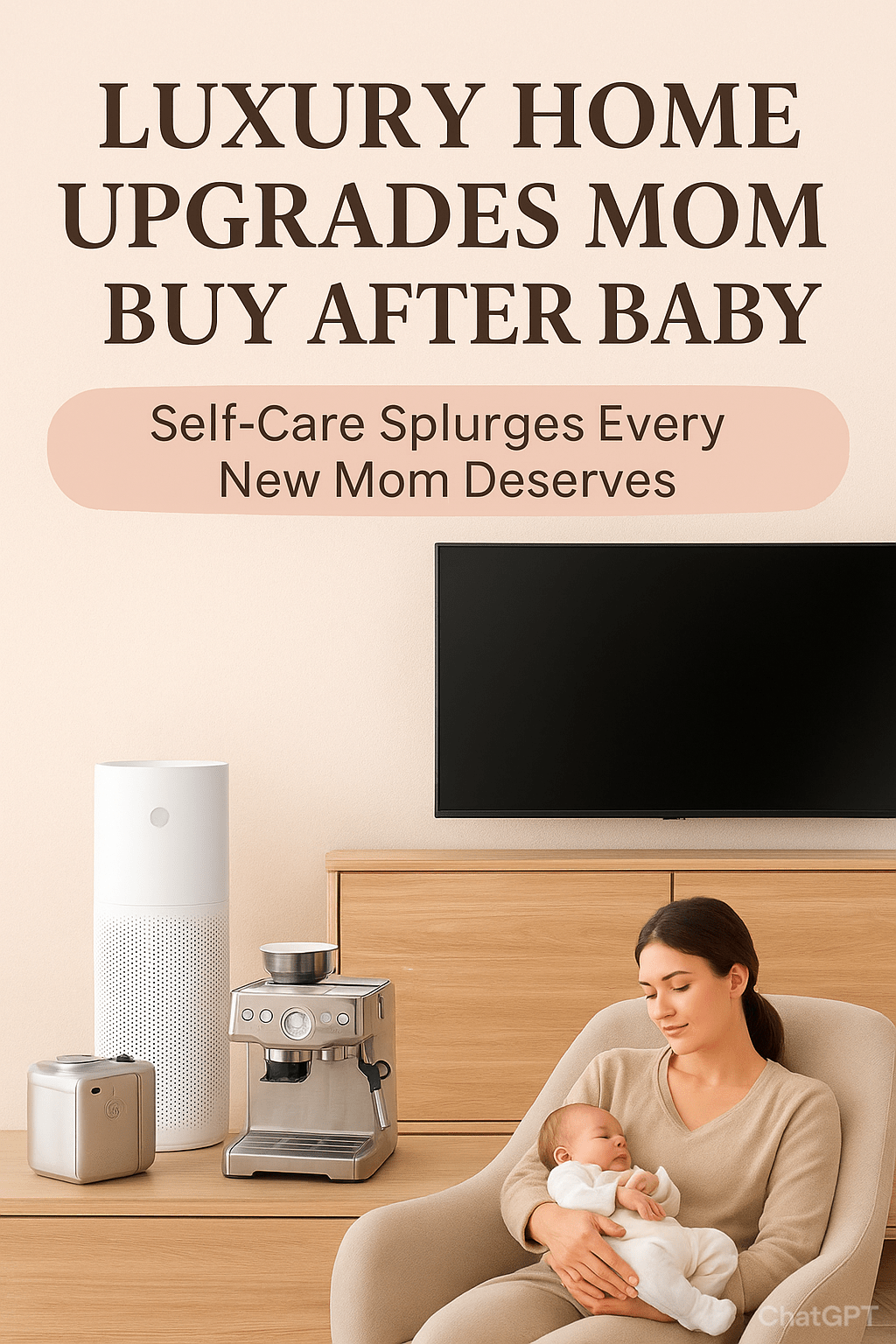
Becoming a mom changes everything—including what you prioritize at home. From air purifiers and high-end espresso machines to flat screen TVs and luxury mattresses, these postpartum self-care products make life easier and more enjoyable for new moms. Discover the luxury home upgrades for moms that are worth the splurge and see what other moms buy after baby to feel supported and cared for.

#PostpartumSelfCare #NewMomLife #MomEssentials #PostpartumTips #LuxuryForMoms #SelfCareForMoms #MomLifeUpgrade #PostpartumWellness #WhatMomsBuy #AfterBabyLife

Becoming a mom changes everything—from your daily routine to how you prioritize comfort, convenience, and self-care. While much of the focus is (rightly!) on your little one, many new moms also realize it’s time to upgrade their homes to make life easier, healthier, and a little more enjoyable.

From better sleep to fresher air and even a stronger cup of coffee, these postpartum self-care products and luxury home upgrades for moms are some of the most common investments parents make after baby arrives.


1. Air Purifiers: Breathe Easier at Home

Clean air isn’t just a luxury—it’s a necessity, especially when you’re bringing a newborn into the house. Many parents upgrade to high-quality air purifiers like Dyson or Molekule units. These purifiers filter out allergens, dust, and pollutants, creating a healthier space for both you and your baby.

💡 Postpartum Tip: Place one in the nursery and another in your bedroom for maximum benefit.

Dyson Purifier Cool PC1

Molekule Air Purifier Mini+ – Purifies Rooms Up to 250 Sq Ft – Smart Purifier with High Pollutant Capture Rate – Air Quality Monitoring Capabilities

For larger areas: Molekule Air Pro Air Purifier – Purifies Rooms Up to 1000 Sq Ft with High Foot Traffic – FDA Cleared for Destruction of Viruses, Bacteria & Mold – Silver

Affordable: MIKO Air Purifier for Bedroom with 3-in-1 HEPA Filter & Sleep Mode, Whisper Quiet, Covers Up to 1200 ft, Smart Wi-Fi App Control – Removes Smoke, Allergens, Pets Hair, Dust, Odors, Pollutants:


2. High-End Espresso Machines: Coffee is Survival Fuel

Sleep deprivation is real, and a reliable cup of coffee can be the difference between exhaustion and productivity. New moms often invest in high-end espresso machines like Breville or Jura. Yes, they’re pricey ($700–$2,000), but they turn your kitchen into a personal café—saving you from countless Starbucks runs.

💡 Postpartum Tip: Many moms consider this the most important of all self-care splurges after baby.

Breville Barista Express Espresso Machine


Jura ENA 4 Full Expresso Machine


3. Mattresses & Sleep Systems: Reclaim Rest

Sleep is golden, but postpartum sleep is fragmented. Investing in a quality mattress can make those precious hours of rest more restorative. Brands like COOL GELNectar, and Tempur-Pedic offer advanced support, cooling technology, and even adjustable features that help both mom and partner get better rest.

💡 Postpartum Tip: A mattress upgrade isn’t just a splurge—it’s one of the smartest what moms buy after baby purchases.

TEMPUR- ProAdapt Medium 12″ Mattress

Nectar Premier Hybrid 13” King Mattress

Cool Gel Chill 14 Inch Medium Firm Memory Foam Mattress


4. Flat Screen TVs: Relaxation, Upgraded

With so much time spent at home during those newborn months, entertainment becomes a lifeline. Many parents decide to upgrade their living room setup with a new flat screen TV. Whether it’s for late-night feeding sessions, family movie nights, or catching up on your favorite series while the baby naps, it’s an investment that makes home life feel more enjoyable.

💡 Postpartum Tip: Consider pairing the TV upgrade with a streaming service subscription as a gift to yourself. I bought this one 6 months ago and I can’t believe the clarity – I feel like I’m part of the movie! Panasonic Z85 Series 65″ OLED 4K Ultra HD Smart Fire TV


Final Thoughts: Self-Care Through Smart Upgrades

Motherhood is demanding, but that doesn’t mean moms should always come last. From cleaner air to better rest and a much-needed latte, these luxury home upgrades for moms are practical ways to support your postpartum journey.

👉 Don’t forget: The best self-care purchases are the ones that make your daily life feel lighter, calmer, and more supported.

Always check with you doctor to make sure products you ingest are safe for baby’s who are breastfeeding.

👉 Shop all my nurse-approved postpartum favorites here: Postpartum Essentials on Amazon

✨ Affiliate Disclaimer: This post contains affiliate links, which means I may earn a small commission at no cost to you if you purchase through my link. I only recommend products I truly believe can support new moms.

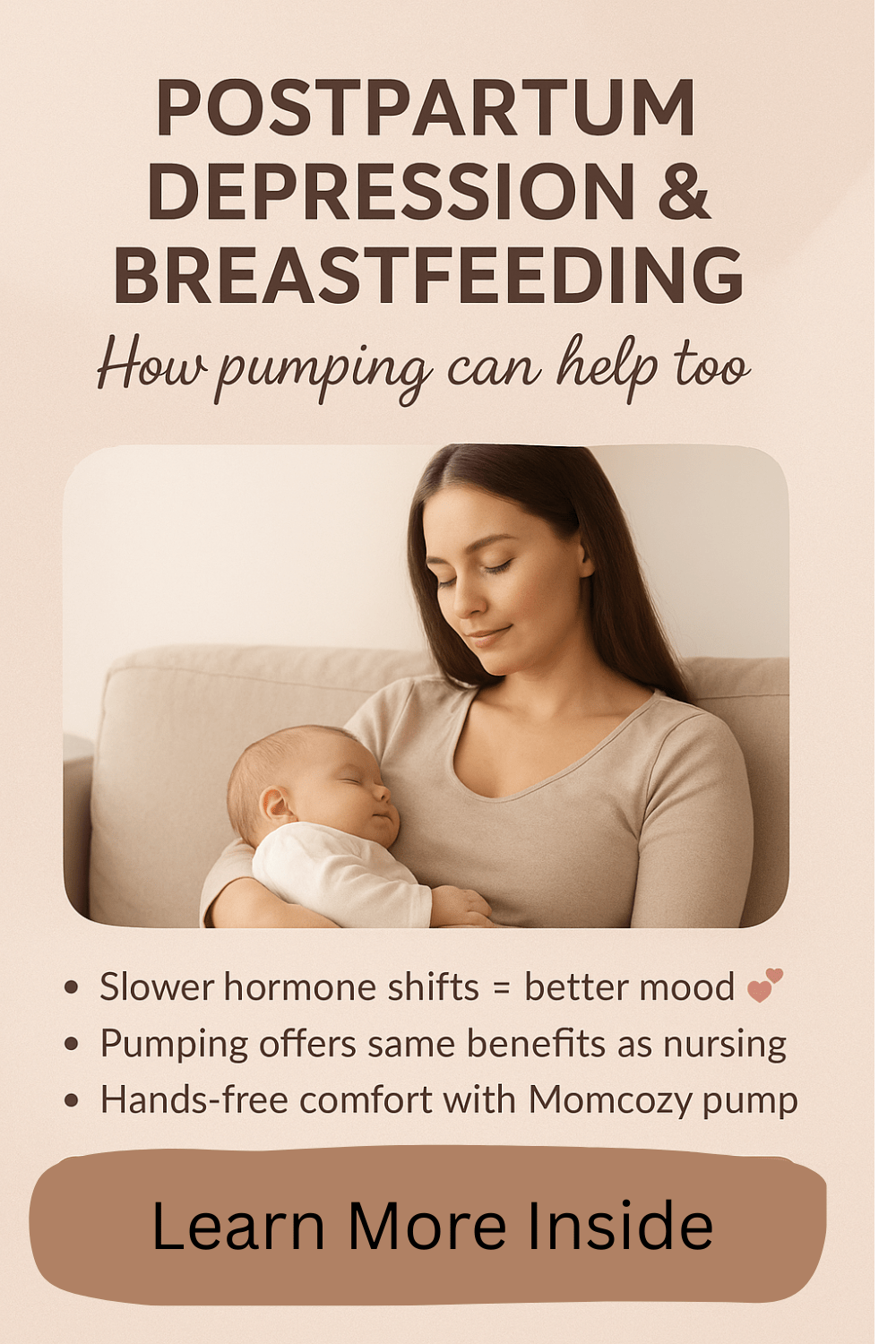
Postpartum Depression & Breastfeeding: How Slower Hormone Changes Can Help — Plus the Benefits of Pumping

Bringing a new baby into the world is one of the most incredible experiences, but it also comes with major physical, emotional, and hormonal changes. For many new moms, postpartum depression (PPD) is a real and overwhelming challenge. According to research, around 1 in 7 women experience postpartum depression, making it one of the most common complications after childbirth.

While every woman’s journey is unique, studies show that breastfeeding may play a role in lowering the risk of postpartum depression. That’s because hormone shifts happen more gradually when milk is expressed—whether through nursing or pumping—compared to allowing milk to dry up quickly. Let’s break down why that matters, and how both breastfeeding and pumping can support your mental and physical health during the postpartum period.


Why Hormones Play a Role in Postpartum Mood

After birth, estrogen and progesterone levels drop dramatically, triggering many of the physical and emotional changes new moms feel. But when you breastfeed or pump, the decline in these hormones is slower and more gradual. In addition, your body produces oxytocin, sometimes called the “love hormone,” which can:

  • Promote bonding between mom and baby
  • Reduce stress and anxiety
  • Create a sense of calm and relaxation

This gradual hormone shift may help reduce the intensity of mood swings and lower the risk of postpartum depression.


Breastfeeding Benefits Beyond Nutrition

Breastfeeding offers countless benefits for both mom and baby, including:

  • Emotional well-being: The oxytocin released during let-down helps improve mood and lower stress.
  • Physical recovery: Nursing helps the uterus return to pre-pregnancy size and may reduce postpartum bleeding.
  • Baby’s health: Provides antibodies, reduces risk of infections, and supports brain development.
  • Long-term maternal health: Lowers the risk of certain cancers, type 2 diabetes, and high blood pressure.

When Breastfeeding Isn’t Possible — The Benefits of Pumping

Not every mom can or chooses to breastfeed directly—and that’s okay. Pumping allows you to gain many of the same benefits while still feeding your baby breast milk.

Benefits of pumping include:

  • Maintains milk supply even if baby isn’t latching well
  • Continues gradual hormone release, helping stabilize mood and lessen abrupt hormone drops
  • Flexibility: You can share feeding duties with your partner or caregiver
  • Freedom: Pumping makes it easier to return to work, run errands, or simply rest without worry

Choosing the Right Pump

If you’re planning to pump, a comfortable, efficient, and portable breast pump makes all the difference. One highly rated option available on Amazon is the:

👉 Momcozy M5 Hands-Free Wearable Breast Pump

Why moms love it:

  • Hands-free design so you can multitask while pumping
  • Double-sealed flange for baby-like comfort and improved suction
  • 3 modes & 9 suction levels to mimic baby’s natural feeding rhythm
  • Portable and discreet, perfect for home or on-the-go use
  • Comes in a 2-pack, ensuring convenience and flexibility

This pump supports your postpartum journey by helping you continue expressing milk comfortably, which may ease the hormonal transitions linked to mood swings and PPD risk.


Final Thoughts

Postpartum depression is complex, and no single solution works for everyone. Still, supporting your body through gradual hormonal changes with breastfeeding or pumping may help protect your mental health while nourishing your baby.

Whether you breastfeed exclusively, pump, or combine the two, the important thing is finding a routine that works best for you and your baby. And if you’re looking for a reliable, hands-free option to make pumping easier, the Momcozy pump ( https://amzn.to/3VJfc6O) is a smart, mom-approved choice.

Remember: You’re not alone. If you’re struggling with postpartum depression, please reach out to your healthcare provider for support.


👉 Shop My Favorites: Postpartum Essentials on Amazon for Postpartum Moms!

✨ Affiliate Disclaimer: This post contains affiliate links, which means I may earn a small commission at no cost to you if you purchase through my link. I only recommend products I truly believe can support new moms.

🌸 Momcozy M5 Hands-Free Breast Pump | Best Portable Wearable Pump for Moms

Discover the Momcozy M5 Hands-Free Wearable Breast Pump – designed for busy moms who need comfort, convenience, and portability.

Discover the Momcozy M5 Hands-Free Wearable Breast Pump – designed for busy moms who need comfort, convenience, and portability. With a double-sealed flange for baby-like comfort9 suction levels, and 3 pumping modes, this quiet and discreet wearable electric breast pump fits seamlessly into your day. Perfect for working moms, travel, or pumping on the go. 💕

✨ Why Moms Love It:
✔️ Portable & Rechargeable
✔️ Quiet & Discreet
✔️ Comfortable Baby-Like Suction
✔️ Easy to Clean & Carry

Make breastfeeding easier and more flexible—because you deserve stress-free pumping.

👉 Shop My Favorites: Postpartum Essentials on Amazon for Postpartum Moms!

✨ Affiliate Disclaimer: This post contains affiliate links, which means I may earn a small commission at no cost to you if you purchase through my link. I only recommend products I truly believe can support new moms.

#Momcozy #BreastfeedingJourney #BreastPump #WearableBreastPump #PostpartumCare #NewMomLife #PortableBreastPump #BreastfeedingSupport #MomLifeHacks #HandsFreePump

How Partners and Family Can Help a New Mom Struggling with Postpartum Depression

Bringing home a new baby is often pictured as a time filled with joy, snuggles, and happy memories. But for many moms, postpartum depression (PPD) makes this transition overwhelming and isolating. Loved ones—partners, family, and friends—often want to help but aren’t sure how. The truth is, your support can make a world of difference in her recovery.

Bringing home a new baby is often pictured as a time filled with joy, snuggles, and happy memories. But for many moms, postpartum depression (PPD) makes this transition overwhelming and isolating. Loved ones—partners, family, and friends—often want to help but aren’t sure how. The truth is, your support can make a world of difference in her recovery.

This guide will walk you through practical, compassionate ways to support a new mom struggling with postpartum depression.


1. Learn to Listen Without Judgment

One of the most powerful things you can do is simply listen. A mom going through PPD may feel guilt or shame for not feeling “happy enough.” Avoid trying to “fix” her feelings or offering quick solutions. Instead:

  • Say things like, “I’m here for you,” or “You’re not alone in this.”
  • Create space for her to share openly, without fear of judgment.
  • Let silence be okay—sometimes being present is all she needs.

2. Take Over Chores and Household Tasks

Postpartum depression can make even small daily tasks feel impossible. Offering practical help can relieve stress and give her room to breathe:

  • Cook or drop off a meal.
  • Take over laundry or dishes without being asked.
  • Run errands so she doesn’t have to.

Even better, don’t wait for her to ask—anticipate what needs to be done.


3. Encourage Rest and Breaks

New moms often feel pressure to “do it all.” Remind her that taking breaks is not selfish—it’s necessary. You can help by:

  • Watching the baby so she can nap or shower.
  • Suggesting a short walk together for fresh air.
  • Offering to care for the baby so she can enjoy a quiet activity she loves.

4. Watch for Warning Signs

While many moms experience “baby blues,” postpartum depression is deeper and longer-lasting. As a partner or loved one, you can help by noticing signs such as:

  • Persistent sadness or irritability
  • Difficulty bonding with the baby
  • Withdrawing from loved ones
  • Trouble sleeping (beyond normal newborn exhaustion)
  • Thoughts of self-harm

If you notice these signs, encourage her to reach out to her doctor or a mental health professional. Offer to go with her to the appointment if she feels nervous.


5. Offer Emotional Encouragement

A mom struggling with PPD may feel like she’s failing, even though she’s doing her best. Uplift her with reminders:

  • “You’re a wonderful mom, even on tough days.”
  • “It’s okay to ask for help. You don’t have to carry this alone.”
  • “I’m proud of you.”

Sometimes these small affirmations can help her feel seen and valued.


6. Take Care of Yourself, Too

Supporting someone with PPD can be emotionally draining. Make sure you’re practicing self-care so you can show up fully for her. This might include getting your own rest, seeking support from friends, or talking with a counselor. Remember: supporting her doesn’t mean you have to do it perfectly—you just have to show up.


Final Thoughts

Postpartum depression is not a reflection of a mom’s love for her baby—it’s a medical condition that requires compassion and support. As a partner, family member, or friend, you have a unique role in helping her feel less alone and more supported.

By listening, helping with daily tasks, encouraging rest, and being mindful of warning signs, you can help her move toward healing.

✨ Remember: Love, patience, and presence are the greatest gifts you can give a new mom struggling with postpartum depression.

👉 Shop My Favorites: Postpartum Essentials on Amazon for Postpartum Moms!

Down Came the Rain: My Journey Through Postpartum Depression

In this compelling memoir, Brooke Shields talks candidly about her experience with postpartum depression after the birth of her daughter, and provides millions of women with an inspiring example of recovery.

Brook Shields

In this compelling memoir, Brooke Shields talks candidly about her experience with postpartum depression after the birth of her daughter, and provides millions of women with an inspiring example of recovery.

When Brooke Shields welcomed her newborn daughter, Rowan Francis, into the world, something unexpected followed–a crippling depression. Now, for the first time ever, in Down Came the Rain, Brooke talks about the trials, tribulations, and finally the triumphs that occurred before, during, and after the birth of her daughter.

Down Came the Rain

👉 Shop My Favorites: Postpartum Essentials on Amazon for Postpartum Moms!

Postpartum Depression & Breastfeeding: How Slower Hormone Changes Can Help — Plus the Benefits of Pumping

Bringing a new baby into the world is one of the most incredible experiences, but it also comes with major physical, emotional, and hormonal changes. For many new moms, postpartum depression (PPD) is a real and overwhelming challenge. According to research, around 1 in 7 women experience postpartum depression, making it one of the most common complications after childbirth.

While every woman’s journey is unique, studies show that breastfeeding may play a role in lowering the risk of postpartum depression. That’s because hormone shifts happen more gradually when milk is expressed—whether through nursing or pumping—compared to allowing milk to dry up quickly. Let’s break down why that matters, and how both breastfeeding and pumping can support your mental and physical health during the postpartum

💕 Discover how breastfeeding and pumping help regulate hormones, ease mood swings, and support mental health after birth. Learn the benefits of the Momcozy M5 Hands-Free Wearable Pump for comfort and flexibility.

#postpartum #newmom #breastfeeding

Bringing a new baby into the world is one of the most incredible experiences, but it also comes with major physical, emotional, and hormonal changes. For many new moms, postpartum depression (PPD) is a real and overwhelming challenge. According to research, around 1 in 7 women experience postpartum depression, making it one of the most common complications after childbirth.

While every woman’s journey is unique, studies show that breastfeeding may play a role in lowering the risk of postpartum depression. That’s because hormone shifts happen more gradually when milk is expressed—whether through nursing or pumping—compared to allowing milk to dry up quickly. Let’s break down why that matters, and how both breastfeeding and pumping can support your mental and physical health during the postpartum period.


Why Hormones Play a Role in Postpartum Mood

After birth, estrogen and progesterone levels drop dramatically, triggering many of the physical and emotional changes new moms feel. But when you breastfeed or pump, the decline in these hormones is slower and more gradual. In addition, your body produces oxytocin, sometimes called the “love hormone,” which can:

  • Promote bonding between mom and baby
  • Reduce stress and anxiety
  • Create a sense of calm and relaxation

This gradual hormone shift may help reduce the intensity of mood swings and lower the risk of postpartum depression.


Breastfeeding Benefits Beyond Nutrition

Breastfeeding offers countless benefits for both mom and baby, including:

  • Emotional well-being: The oxytocin released during let-down helps improve mood and lower stress.
  • Physical recovery: Nursing helps the uterus return to pre-pregnancy size and may reduce postpartum bleeding.
  • Baby’s health: Provides antibodies, reduces risk of infections, and supports brain development.
  • Long-term maternal health: Lowers the risk of certain cancers, type 2 diabetes, and high blood pressure.

When Breastfeeding Isn’t Possible — The Benefits of Pumping

Not every mom can or chooses to breastfeed directly—and that’s okay. Pumping allows you to gain many of the same benefits while still feeding your baby breast milk.

Benefits of pumping include:

  • Maintains milk supply even if baby isn’t latching well
  • Continues gradual hormone release, helping stabilize mood and lessen abrupt hormone drops
  • Flexibility: You can share feeding duties with your partner or caregiver
  • Freedom: Pumping makes it easier to return to work, run errands, or simply rest without worry

Choosing the Right Pump

If you’re planning to pump, a comfortable, efficient, and portable breast pump makes all the difference. One highly rated option available on Amazon is the:

👉 Momcozy M5 Hands-Free Wearable Breast pump

Why moms love it:

  • Hands-free design so you can multitask while pumping
  • Double-sealed flange for baby-like comfort and improved suction
  • 3 modes & 9 suction levels to mimic baby’s natural feeding rhythm
  • Portable and discreet, perfect for home or on-the-go use
  • Comes in a 2-pack, ensuring convenience and flexibility

This pump supports your postpartum journey by helping you continue expressing milk comfortably, which may ease the hormonal transitions linked to mood swings and PPD risk.


Final Thoughts

Postpartum depression is complex, and no single solution works for everyone. Still, supporting your body through gradual hormonal changes with breastfeeding or pumping may help protect your mental health while nourishing your baby.

Whether you breastfeed exclusively, pump, or combine the two, the important thing is finding a routine that works best for you and your baby. And if you’re looking for a reliable, hands-free option to make pumping easier, the Momcozy pump  is a smart, mom-approved choice.

Remember: You’re not alone. If you’re struggling with postpartum depression, please reach out to your healthcare provider for support.


👉 Shop My Favorites: Postpartum Essentials on Amazon for Postpartum Moms!

✨ Affiliate Disclaimer: This post contains affiliate links, which means I may earn a small commission at no cost to you if you purchase through my link. I only recommend products I truly believe can support new moms.