Featured

🌸 Momcozy M5 Hands-Free Breast Pump | Best Portable Wearable Pump for Moms

Discover the Momcozy M5 Hands-Free Wearable Breast Pump – designed for busy moms who need comfort, convenience, and portability.

Discover the Momcozy M5 Hands-Free Wearable Breast Pump – designed for busy moms who need comfort, convenience, and portability. With a double-sealed flange for baby-like comfort9 suction levels, and 3 pumping modes, this quiet and discreet wearable electric breast pump fits seamlessly into your day. Perfect for working moms, travel, or pumping on the go. 💕

✨ Why Moms Love It:
✔️ Portable & Rechargeable
✔️ Quiet & Discreet
✔️ Comfortable Baby-Like Suction
✔️ Easy to Clean & Carry

Make breastfeeding easier and more flexible—because you deserve stress-free pumping.

👉 Shop My Favorites: Postpartum Essentials on Amazon for Postpartum Moms!

✨ Affiliate Disclaimer: This post contains affiliate links, which means I may earn a small commission at no cost to you if you purchase through my link. I only recommend products I truly believe can support new moms.

#Momcozy #BreastfeedingJourney #BreastPump #WearableBreastPump #PostpartumCare #NewMomLife #PortableBreastPump #BreastfeedingSupport #MomLifeHacks #HandsFreePump

Featured

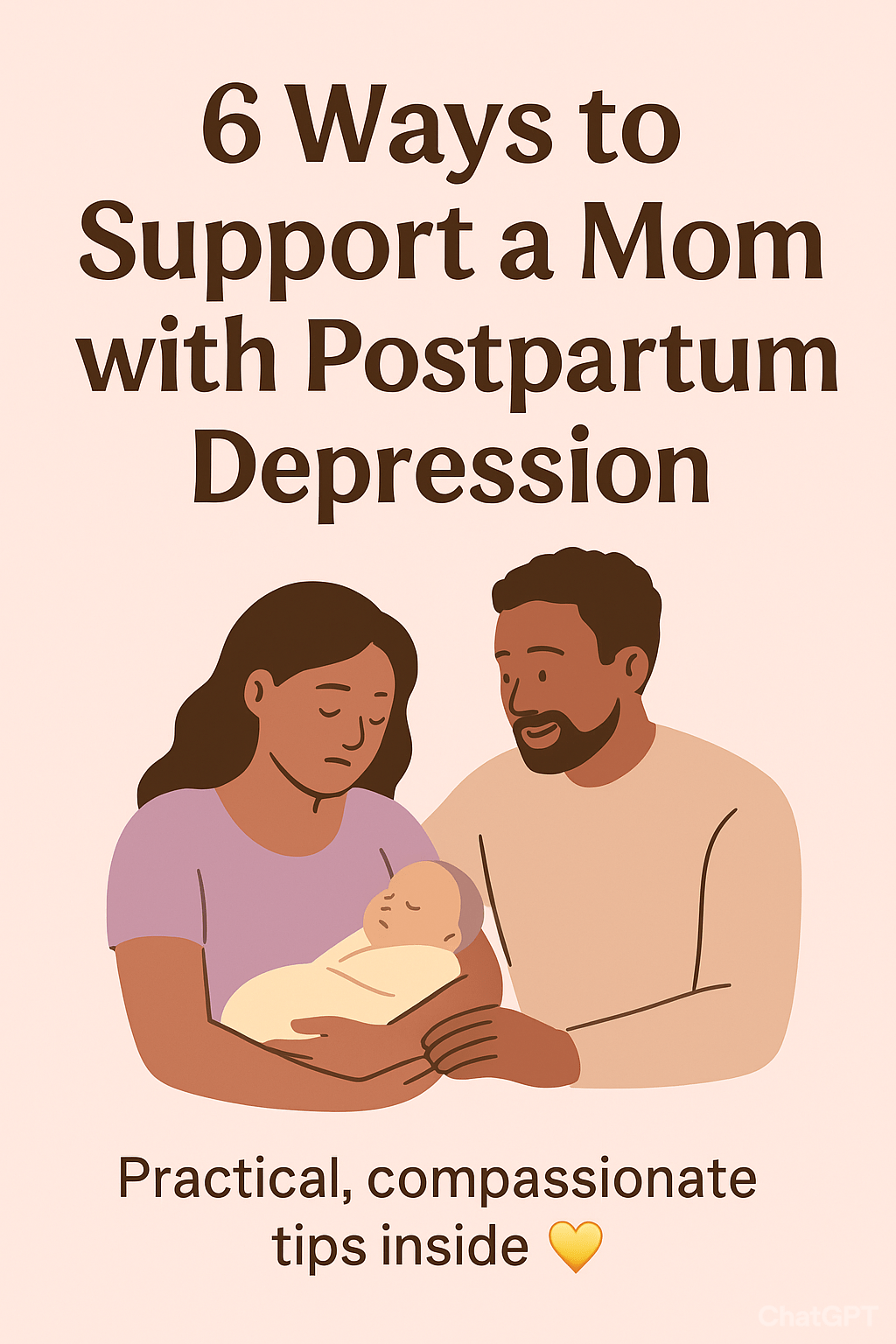
How Partners and Family Can Help a New Mom Struggling with Postpartum Depression

Bringing home a new baby is often pictured as a time filled with joy, snuggles, and happy memories. But for many moms, postpartum depression (PPD) makes this transition overwhelming and isolating. Loved ones—partners, family, and friends—often want to help but aren’t sure how. The truth is, your support can make a world of difference in her recovery.

Bringing home a new baby is often pictured as a time filled with joy, snuggles, and happy memories. But for many moms, postpartum depression (PPD) makes this transition overwhelming and isolating. Loved ones—partners, family, and friends—often want to help but aren’t sure how. The truth is, your support can make a world of difference in her recovery.

This guide will walk you through practical, compassionate ways to support a new mom struggling with postpartum depression.


1. Learn to Listen Without Judgment

One of the most powerful things you can do is simply listen. A mom going through PPD may feel guilt or shame for not feeling “happy enough.” Avoid trying to “fix” her feelings or offering quick solutions. Instead:

  • Say things like, “I’m here for you,” or “You’re not alone in this.”
  • Create space for her to share openly, without fear of judgment.
  • Let silence be okay—sometimes being present is all she needs.

2. Take Over Chores and Household Tasks

Postpartum depression can make even small daily tasks feel impossible. Offering practical help can relieve stress and give her room to breathe:

  • Cook or drop off a meal.
  • Take over laundry or dishes without being asked.
  • Run errands so she doesn’t have to.

Even better, don’t wait for her to ask—anticipate what needs to be done.


3. Encourage Rest and Breaks

New moms often feel pressure to “do it all.” Remind her that taking breaks is not selfish—it’s necessary. You can help by:

  • Watching the baby so she can nap or shower.
  • Suggesting a short walk together for fresh air.
  • Offering to care for the baby so she can enjoy a quiet activity she loves.

4. Watch for Warning Signs

While many moms experience “baby blues,” postpartum depression is deeper and longer-lasting. As a partner or loved one, you can help by noticing signs such as:

  • Persistent sadness or irritability
  • Difficulty bonding with the baby
  • Withdrawing from loved ones
  • Trouble sleeping (beyond normal newborn exhaustion)
  • Thoughts of self-harm

If you notice these signs, encourage her to reach out to her doctor or a mental health professional. Offer to go with her to the appointment if she feels nervous.


5. Offer Emotional Encouragement

A mom struggling with PPD may feel like she’s failing, even though she’s doing her best. Uplift her with reminders:

  • “You’re a wonderful mom, even on tough days.”
  • “It’s okay to ask for help. You don’t have to carry this alone.”
  • “I’m proud of you.”

Sometimes these small affirmations can help her feel seen and valued.


6. Take Care of Yourself, Too

Supporting someone with PPD can be emotionally draining. Make sure you’re practicing self-care so you can show up fully for her. This might include getting your own rest, seeking support from friends, or talking with a counselor. Remember: supporting her doesn’t mean you have to do it perfectly—you just have to show up.


Final Thoughts

Postpartum depression is not a reflection of a mom’s love for her baby—it’s a medical condition that requires compassion and support. As a partner, family member, or friend, you have a unique role in helping her feel less alone and more supported.

By listening, helping with daily tasks, encouraging rest, and being mindful of warning signs, you can help her move toward healing.

✨ Remember: Love, patience, and presence are the greatest gifts you can give a new mom struggling with postpartum depression.

👉 Shop My Favorites: Postpartum Essentials on Amazon for Postpartum Moms!

Featured

Down Came the Rain: My Journey Through Postpartum Depression

In this compelling memoir, Brooke Shields talks candidly about her experience with postpartum depression after the birth of her daughter, and provides millions of women with an inspiring example of recovery.

Brook Shields

In this compelling memoir, Brooke Shields talks candidly about her experience with postpartum depression after the birth of her daughter, and provides millions of women with an inspiring example of recovery.

When Brooke Shields welcomed her newborn daughter, Rowan Francis, into the world, something unexpected followed–a crippling depression. Now, for the first time ever, in Down Came the Rain, Brooke talks about the trials, tribulations, and finally the triumphs that occurred before, during, and after the birth of her daughter.

Down Came the Rain

👉 Shop My Favorites: Postpartum Essentials on Amazon for Postpartum Moms!

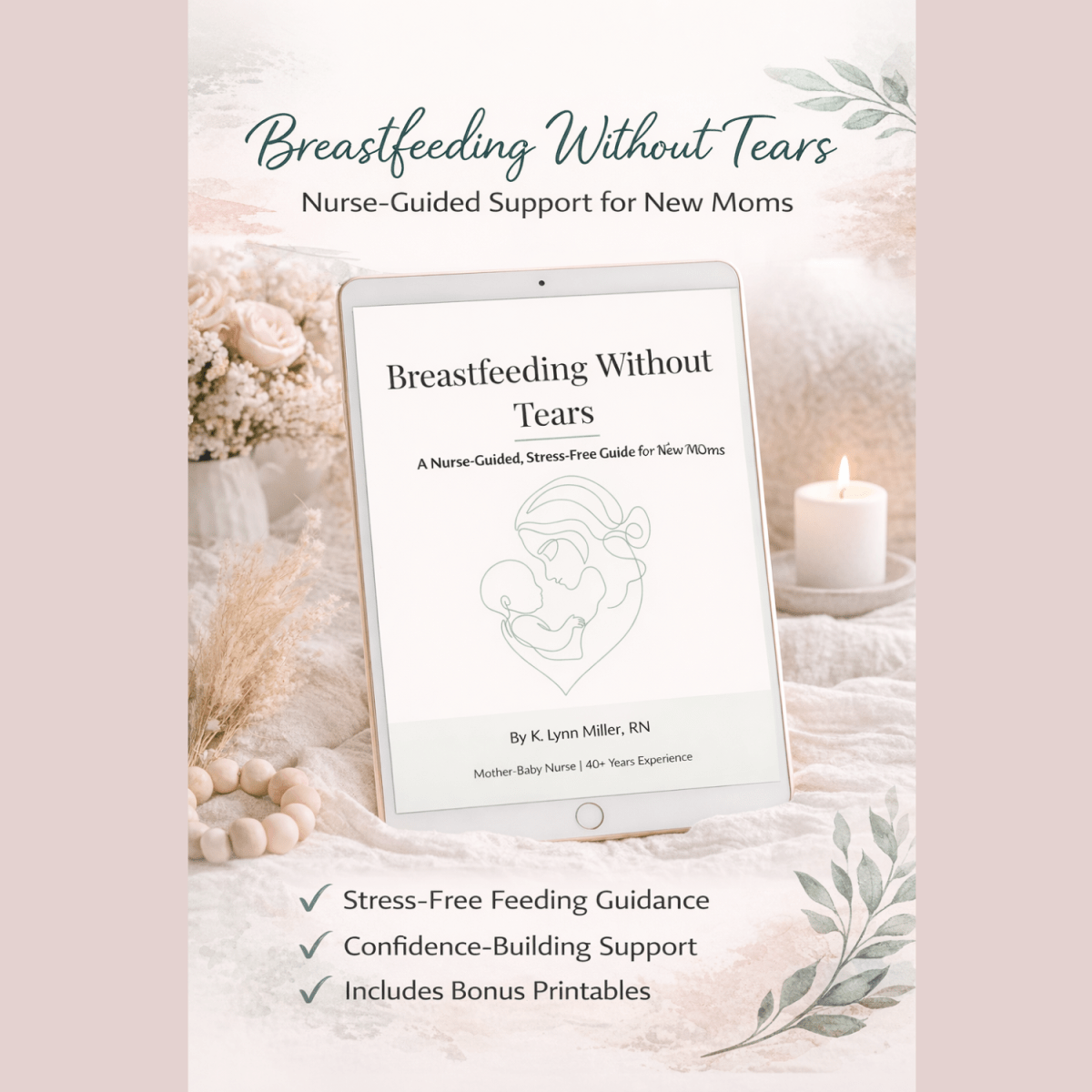
Breastfeeding Without Tears: A Gentle Guide for New Moms — Coming Soon

A calm, practical breastfeeding guide written by a nurse who understands the exhaustion, pressure, and emotions of early feeding days.

✨ Breastfeeding Without Tears
Supportive. Judgment-free. Real-life help for new moms.

✔ Latch & positioning made simple
✔ NICU & twin considerations
✔ Printable feeding logs & guides
✔ Encouragement when breastfeeding feels hard

Breastfeeding is often described as “natural,” but for many new moms, it doesn’t feel easy or instinctive at all. In those first days after birth — when your body is sore, your emotions are high, and sleep feels like a distant memory — feeding your baby can quickly become overwhelming.

As a mother-baby nurse with decades of experience caring for postpartum moms and newborns, I’ve seen this firsthand. I’ve also heard the same quiet worries repeated over and over at the bedside:

“Am I doing this right?”
“Is my baby getting enough?”
“Why does this feel so hard?”

That’s exactly why I created Breastfeeding Without Tears — a gentle, practical breastfeeding guide written for real moms, in real life.


Why I Wrote This Book

There are many breastfeeding resources available, but too many feel overwhelming, technical, or filled with pressure to “do it perfectly.” New moms don’t need more rules — they need reassurance, clear guidance, and permission to learn at their own pace.

This book was written with exhausted moms in mind. Moms who are healing from birth or surgery. Moms whose babies arrived early or need extra support. Moms feeding twins. Moms pumping. Moms doing the best they can — even on the hard days.

Breastfeeding Without Tears focuses on what truly matters:

  • Understanding the basics without overwhelm
  • Learning latch and positioning in a simple, visual way
  • Recognizing what’s normal in the early weeks
  • Knowing when and how to ask for help
  • Supporting emotional and mental well-being along the way

What You’ll Find Inside Breastfeeding Without Tears

This upcoming ebook blends clinical knowledge with bedside experience and compassion. Inside, you’ll find:

  • Clear explanations of breastfeeding basics
  • Step-by-step latch and positioning guidance
  • Tips for the first hour after birth and beyond
  • Support for NICU babies, twins, and C-section recovery
  • Guidance for pumping and returning to work
  • Emotional reassurance for moments of doubt
  • Printable feeding logs and breastfeeding guides

Every section is designed to feel supportive, not overwhelming — and to remind you that there is no single “right” way to feed your baby.


A Judgment-Free Approach

One of the most important messages in this book is simple:

The best breastfeeding journey is the one that works for you and your baby.

Whether you exclusively breastfeed, pump, supplement, or do a combination of all three — your effort matters. Feeding your baby is not a test of worth or success. It’s a relationship, and it takes time.


Sneak Peek: Chapter One

Chapter 1: The Basics of Breastfeeding

Breastfeeding is one of the most natural ways to nourish your baby, but that doesn’t mean it’s always easy. Understanding the basics early can make a big difference in your confidence and success. In this chapter, we’ll cover the benefits for both baby and mom, common myths, and essential breastfeeding terms you’ll need to know.


1. Benefits for Your Baby

Breast milk is perfectly designed to meet your newborn’s nutritional needs. Some of the key benefits include:

  • Immune Support: Breast milk contains antibodies that help protect your baby from infections.
  • Optimal Nutrition: It provides the perfect balance of fats, proteins, and carbohydrates for healthy growth.
  • Digestive Health: Breast milk is easy for babies to digest and can reduce the risk of gastrointestinal issues.
  • Bonding and Comfort: Skin-to-skin contact during breastfeeding strengthens emotional connection and security.

Tip Box: Even if breastfeeding feels tricky at first, remember that each feeding is helping your baby grow and thrive!


2. Benefits for You, the Mom

Breastfeeding doesn’t just benefit your baby—it’s good for you too:

  • Faster Recovery: Nursing stimulates hormones that help your uterus return to its pre-pregnancy size.
  • Calorie Burning: Breastfeeding can help your body gradually shed pregnancy weight.
  • Lower Risk of Certain Diseases: Long-term breastfeeding is linked to reduced risk of breast and ovarian cancer.
  • Emotional Satisfaction: The closeness and bonding experience can be deeply rewarding.

3. Common Myths and Misconceptions

There’s a lot of conflicting advice out there. Let’s set the record straight on some common myths:

  • Myth: “You must produce a lot of milk immediately after birth.”
    Reality: Milk production increases gradually over the first few days. Early colostrum is enough for your newborn.
  • Myth: “Breastfeeding should be painful.”
    Reality: While some mild discomfort may occur initially, breastfeeding should not cause sharp pain. Pain is often a sign of a latch or positioning issue.
  • Myth: “Formula is always easier.”
    Reality: Formula can be convenient, but breastfeeding provides unique nutritional and immune benefits that formula cannot replicate.

Tip Box: Ignore pressure from friends or family—your journey is unique, and it’s okay to ask for help.


4. Quick Glossary of Breastfeeding Terms

Here are some terms you’ll hear often:

  • Latch: How the baby’s mouth attaches to the breast. A good latch is key to comfort and milk flow.
  • Let-Down: The reflex that releases milk from your breast, often felt as tingling.
  • Foremilk: The milk released at the start of a feeding; thinner and higher in lactose.
  • Hindmilk: The milk that comes later in a feeding; richer in fat and calories.
  • Engorgement: When breasts become overly full, often causing discomfort.

Sidebar: Keep this glossary handy—refer back anytime you’re unsure about terminology.

When Motherhood Hits Harder Than Expected: What Watching My Son and Daughter-in-Law Taught Me About Postpartum Struggles

When I first became a grandmother, I thought my role would be simple—love on the grandbabies, spoil them just a little, and watch my children build their own families with pride. What I didn’t expect was how deeply I would witness the challenges that come with bringing not just one, but two babies into the world only 14 months apart.

From the outside, friends and neighbors often see the smiling family photos, the adorable matching outfits, and the milestones shared on social media. What they don’t see are the sleepless nights, the overwhelming fatigue, and the silent tears shed behind closed doors.

I watched my daughter-in-law, a strong and loving mother, carry the weight of postpartum exhaustion and anxiety. I saw my son struggle with his own feelings of helplessness as he tried to support her while adjusting to fatherhood himself. Together, they were navigating a season of life that was both beautiful and brutally hard.

It was in these raw, unfiltered moments that I was reminded of something important: postpartum mental health is not talked about nearly enough. Too often, women are told they should be glowing, grateful, and fulfilled. Too often, partners feel left out of the conversation, unsure how to help. And too often, families silently endure when they deserve understanding, support, and resources.

This is what inspired me to write my new ebook:
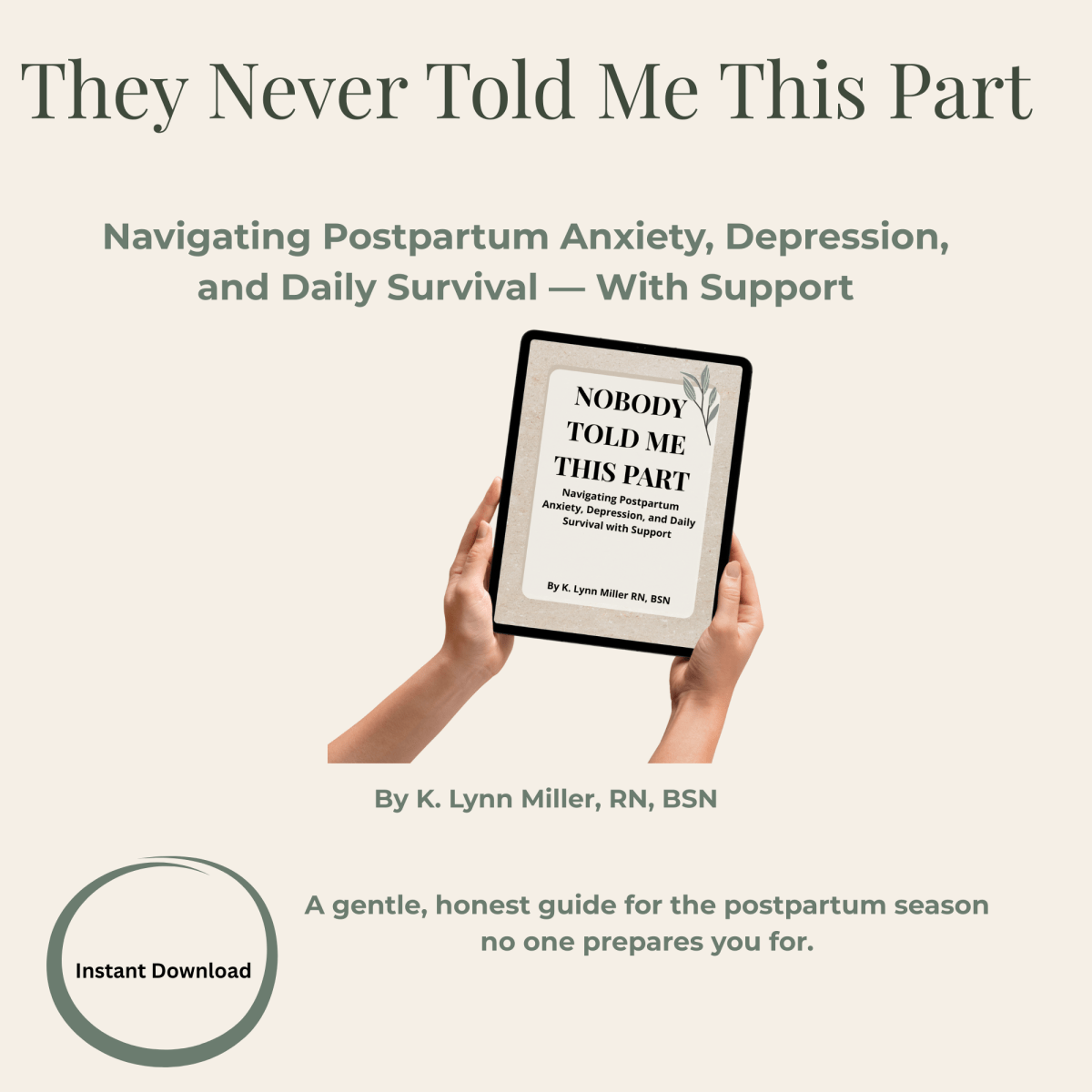
NOBODY TOLD ME THIS PART: Navigating Postpartum Anxiety, Depression, and Daily Survival With Support

By K. Lynn Miller, RN, BSN

I wanted to create something practical, honest, and deeply supportive—a guide that validates the messy, exhausting parts of postpartum life while also offering hope and concrete strategies to make daily survival a little easier.

Inside, I share:

  • What’s normal and what’s not when it comes to postpartum mood changes.
  • Practical daily survival tips for moms, especially in the fog of sleep deprivation.
  • How partners can truly support, beyond just “helping with the baby.”
  • Stories and examples that remind you: you are not alone.
  • Treatment options and professional resources when it’s time to seek more help.

Writing this book was more than just a project—it was personal. I wrote it because I’ve seen the struggles firsthand. I wrote it for my daughter-in-law, for my son, for every mother who has felt overwhelmed, and for every partner who has wondered if they’re doing enough.

If you or someone you love is walking through this season, my hope is that this book will feel like a supportive friend—one who listens without judgment, reminds you of your strength, and offers a gentle nudge toward healing when you need it most.

Because motherhood is hard. But no one should have to walk it alone.

📖 You can find the book here ➡️ NOBODY TOLD ME THIS PART

💛Download it now:
https://karensclassythings.etsy.com/listing/4424034075

Nobody Told Me This Part: A Gentle Guide to Postpartum Healing & Emotional Survival

📘 IT’S OFFICIALLY LIVE!
My new book, They Never Told Me This Part, is now available.

This book is for every mom who ever said:

“I wish someone told me the truth…”

✨ How to survive postpartum anxiety
✨ What PPD actually feels like
✨ Practical steps for the hardest days
✨ Emotional support tools you can use instantly

There’s a moment many new moms experience but rarely talk about.

The baby is finally asleep. The house is quiet. And instead of feeling peaceful, you feel overwhelmed, anxious, or strangely empty. You wonder why everyone else seems to adjust so easily — and why you don’t.

If you’ve felt this way, you are not alone. And more importantly, you are not broken.

The Part of Postpartum No One Warns You About

Postpartum recovery is often framed as physical healing — stitches, bleeding, sleep deprivation. But the emotional and mental shifts that happen after birth can be just as intense.

Many moms are surprised by:

  • Sudden anxiety or racing thoughts
  • Mood swings or unexplained tears
  • A sense of loneliness, even with support
  • Feeling pressure to “bounce back” too quickly

As a registered nurse and a mother, I’ve seen how often these feelings are dismissed or minimized. We tell moms this is normal — but we don’t always tell them how to cope.

That silence is what inspired me to write this book.

Why I Wrote Nobody Told Me This Part

I wrote Nobody Told Me This Part for the moms who:

  • Love their baby but feel emotionally overwhelmed
  • Question whether what they’re feeling is normal
  • Are navigating postpartum anxiety or low mood quietly
  • Need reassurance more than rigid advice

This isn’t a book about perfection, productivity, or pushing through.
It’s about slowing down, understanding your nervous system, and learning how to support yourself through one of the most vulnerable seasons of life.

What This Ebook Offers

This guide is meant to feel like a calm voice beside you — not another list of expectations.

Inside, you’ll find:

  • Honest conversations about postpartum anxiety and mood changes
  • Gentle strategies to cope with emotional overwhelm
  • Permission to rest and heal at your own pace
  • Supportive reminders that you are not failing — you are healing

It’s practical, compassionate, and grounded in both nursing experience and real-life motherhood.

Who This Book Is For

This ebook may be especially helpful if you:

  • Feel emotionally “off” after birth
  • Are struggling with anxiety, overwhelm, or guilt
  • Want reassurance without judgment
  • Prefer gentle guidance over clinical jargon

It’s not a replacement for professional care — but it is a supportive companion when you need understanding the most.

A Note on Asking for Help

One of the most important messages in this book is this:
You don’t have to wait until things get worse to deserve support.

If you ever feel overwhelmed beyond what feels manageable, reaching out to a healthcare provider, therapist, or trusted support system is an act of strength — not failure.

Healing early is often easier than healing later.

Where to Find the Ebook

Nobody Told Me This Part is currently available as a digital download so you can read it at your own pace, whenever you need it.

👉 Read more: NOBODY TOLD ME THIS PART Navigating Postpartum Anxiety Depression & Daily Survival with Support

You can also explore more postpartum wellness resources on my website:
👉 karenscreation.com

You Are Not Alone

Postpartum is a season of immense change — physically, emotionally, and mentally. If you’re in it right now, please know this:

You are not weak.
You are not failing.
You are healing.

And you deserve support every step of the way.

mental health anxiety support trimester healing recovery guide mom emotional support

Top 15 Postpartum Essentials Every New Mom Needs (2025 List)

Updated for 2025—nurse-approved, mom-tested, and recovery-focused.

Bringing home a new baby is magical—but let’s be honest, the postpartum phase can feel overwhelming, tender, exhausting, and emotional. As a mother-baby nurse for 40+ years, I’ve seen firsthand what new moms actually reach for in those first weeks.

This 2025 list includes the must-have postpartum products that truly help you heal faster, stay comfortable, and support breastfeeding if you choose to breastfeed. These are items real moms swear by—updated to reflect this year’s top-rated essentials.

Whether you’re preparing your hospital bag, restocking your home, or supporting a new mom, this list covers everything you need.


1. Frida Mom Postpartum Recovery Kit

This all-in-one kit continues to be in 2025 for a reason. Witch hazel pads, the peri bottle, cooling foam, and disposable underwear make recovery so much easier.
Perfect for vaginal birth healing and swollen perineal tissue.


2. Hospital-Grade Breast Pump (or Insurance-Covered Pump Upgrade)

A powerful pump can make the difference between struggling and succeeding.
Top 2025 picks include:

TIP: Many insurances now cover multiple pump options—ask specifically for an upgrade model.


3. Hands-Free Pumping Bra

A total lifesaver.
You’ll want at least two so you’re not constantly washing them.
This keeps hands free for sipping water, eating snacks, or calming your newborn.


4. Postpartum Belly Band or Support Binder

Not for “getting your body back”—but for stabilizing your abdomen and supporting weakened core muscles.
It improves mobility and reduces discomfort, especially during C-section recovery.


5. Sitz Bath Salts

Sitz baths remain one of the fastest ways to soothe stitches, swelling, and soreness.
Choose Epsom or herbal blends with lavender or calendula.


6. Giant Water bottle Water Bottle (With Straw)

Hydration = milk supply + faster healing.
Postpartum moms routinely underestimate how much water they need.
A 40–60 oz bottle you only fill a few times a day is ideal.


7. Peri Bottle (Angle-Neck Type)

If you didn’t love the hospital one… you’re not alone.
An upside-down squeeze bottle is the 2025 favorite—gentle, effective, and perfectly designed.


8. Adult Disposable Underwear

Way more comfortable and reliable than pads in the early days.
Even C-section moms love them for support and convenience.


9. Tucks Pads & Witch Hazel Foam

Nothing beats the combination of witch hazel pads + cooling foam for:

  • stitches
  • hemorrhoids
  • swelling
  • discomfort

Every postpartum bathroom needs a stack of them.


10. Cozy, Nursing-Friendly Pajamas

Soft, stretchy pajamas with easy nursing access make a huge difference.
You’ll live in them during cluster feeding nights.


11. Haakaa or Silicone Milk Collector

If you’re breastfeeding, this little tool saves ounces of milk that would otherwise leak onto your shirt.
Great passive milk collection without pumping.


12. Nipple Balm or Silver Nursing Cups

These soothe soreness and prevent cracked nipples—incredibly common during the first week postpartum.

Silver cups (sterling silver) are a growing trend in 2025 and many moms swear they’re worth the upgrade.


13. Postpartum Snack Basket

Energy is everything.
Stock quick snacks that promote healing:

Place baskets in the bedroom, nursery, and next to your favorite nursing spot.


14. A Supportive Nursing Pillow

Not just for breastfeeding—great for bottle feeding, tummy time, and reducing strain on your arms and back.

The newer 2025 models include memory foam and washable covers.


15. A Comfortable Robe or Wrap

Something soft, warm, and cozy that you don’t mind wearing while feeding, pumping, or lounging.
Postpartum moms gravitate toward lightweight but warm wraps that keep them covered during nighttime feedings.


Bonus: Emotional Care Essentials (Often Overlooked)

Yes—your physical recovery matters.
But your emotional recovery matters just as much.

  • A journal
  • Access to a postpartum therapist
  • A supportive partner or friend
  • Daily 10-minute “mom breaks”
  • Sleep shifts with your partner (Lifesaving!)

Postpartum is both beautiful and challenging.
You deserve support in every way.


How to Use This List

✔ Add essentials to your baby registry
✔ Purchase slowly in the third trimester
✔ Pack key items in your hospital bag
✔ Prepare home recovery stations (bathroom, bedside, couch, nursery)


Final Thoughts

You don’t need everything—but having the right essentials makes postpartum smoother, calmer, and healthier.

Whether you’re recovering from a vaginal birth, C-section, or navigating breastfeeding, these 2025 essentials help you feel supported during the most important recovery of your life.

🌸 Best Wearable Breast Pumps 2025: Nurse-Approved Picks for Busy Moms

Because your time, comfort, and peace matter — even when you’re pumping.

As a postpartum nurse and mom, I know how important it is to make breastfeeding easier, not harder. Between late-night feedings, returning to work, and trying to rest, the right breast pump can make all the difference.

That’s why I’ve rounded up the best wearable, hands-free breast pumps of 2025 — real-mom tested, nurse-approved, and designed to help you pump confidently anywhere.


🍼 Why Choose a Wearable Breast Pump?

Wearable breast pumps have revolutionized breastfeeding. Unlike traditional plug-in pumps, these modern designs slip discreetly into your bra — letting you pump hands-free, whether you’re working, running errands, or just enjoying a quiet moment.

Here’s why moms are loving them:

  • Freedom & Mobility: Move, multitask, or relax while you pump.
  • Discreet Design: Pump without cords or bulky parts.
  • Comfort Fit: Soft silicone shields mimic your baby’s natural latch.
  • Quiet Operation: Some models are whisper-quiet (under 30dB).

🌼 Top 3 Wearable Breast Pumps for 2025

1. Momcozy M5 Hands-Free Breast Pump

Best Overall for Comfort + Portability

The Momcozy M5 stands out for its double-sealed flange that mimics baby-like suction — comfortable and efficient. With 9 suction levels, 3 modes, and noise under 30.6 dB, it’s perfect for working moms and nighttime pumping alike.

✅ 8 adjustable suction levels
✅ Quiet & discreet
✅ USB-C rechargeable
✅ Travel-friendly storage case included

👉 Shop now: Buy the Momcozy M5 on Amazon


2. Elvie Stride Plus

Best for Working Moms

The Elvie Stride Plus offers hospital-grade suction power in a compact, wearable form. It connects via an app to track pumping sessions and milk volume, which makes it great for busy moms who like data at their fingertips.

✅ Bluetooth tracking
✅ Hospital-grade power (up to 300mmHg)
✅ Comfortable silicone inserts
✅ Dishwasher-safe parts

👉 Shop now: View https://amzn.to/4ooXgv4on Amazon


3. Willow 3.0 Wearable Breast Pump

Best for Mobility

If you need to pump on the go — literally anywhere — Willow 3.0 is the one. Its leak-proof design means you can bend, lie down, or walk without spills. Ideal for moms returning to work or juggling multiple kids.

✅ Completely cord-free
✅ Leak-proof design
✅ Connects to the Willow app
✅ Use milk bags or reusable containers

👉 Shop now: See current price on Amazon


💗 How to Choose the Right Pump for You

When comparing wearable breast pumps, consider:

  • Your lifestyle: Do you plan to pump at work, at home, or both?
  • Comfort: Look for soft, ergonomic flanges and quiet suction.
  • Cleaning: Fewer parts = easier maintenance.
  • Battery life: Long-lasting power is essential for on-the-go use.
  • Budget: You can find great options between $100–$350.

🌸 Nurse’s Tip: Comfort First, Always

If pumping ever feels painful, stop and readjust. Pain is not normal.
Try a smaller or larger flange size — many wearable pumps now include sizing kits to help you find the perfect fit (the Momcozy M5 includes 17mm, 19mm, and 21mm inserts).

Remember: The right fit = more comfort and more milk.


💕 Final Thoughts: Simplify Your Pumping Journey

Motherhood is full of challenges, but your breast pump shouldn’t be one of them.
These 2025 wearable pumps combine convenience, comfort, and quiet power — so you can focus on bonding, resting, and healing.

As a nurse and mom, I recommend starting with the Momcozy M5 or Elvie Stride Plus — they both balance comfort, suction, and simplicity beautifully.

👉 Shop all my nurse-approved postpartum favorites here: Postpartum Essentials on Amazon

🔖 Affiliate Disclosure

This post contains affiliate links, which means I may earn a small commission at no extra cost to you. I only recommend products I genuinely trust and love as a postpartum nurse and mom.

The Power of Rest: Why Slowing Down Is the Secret to Postpartum Healing

Rest Isn’t Indulgent — It’s Essential

We live in a world that celebrates the “bounce back.” New moms are often praised for how quickly they fit into their jeans again or get back to “normal life.” But the truth is, there’s no medal for rushing postpartum recovery.

As a nurse who has cared for countless mothers, I’ve seen how deeply the body and mind need time to heal after birth. Rest isn’t a luxury — it’s medicine. The postpartum period, often called the fourth trimester, is a time of incredible transformation, and slowing down is what allows your body to rebuild, your hormones to rebalance, and your spirit to find steady ground again.

💡 Affiliate Disclosure: This post contains affiliate links, which means I may earn a small commission at no extra cost to you if you purchase through my links.


Section 1: What Happens When We Don’t Rest

When you push through exhaustion, your body pays the price — even if you don’t feel it right away. Lack of rest after birth can:

  • Delay healing of the pelvic floor and abdomen
  • Disrupt milk supply and hormonal balance
  • Increase inflammation, stress, and mood swings
  • Heighten the risk of postpartum anxiety or depression

After delivery, your hormones shift dramatically. Your body begins repairing tissue, rebuilding blood volume, and adjusting to new metabolic demands. Without rest, these processes slow down — and your emotional health can take a hit.

Affiliate Tip: A supportive Labor and postpartum recovery lounge kit or nursing-friendly Pajamas can make resting more comfortable and help you feel human again. Look for breathable fabrics and styles designed for nursing.


Section 2: The Science of Rest — How the Body Rebuilds After Birth

Rest is the quiet work your body does when you’re still. During postpartum recovery, rest supports:

  • Uterine healing: Contractions continue after birth as your uterus returns to its pre-pregnancy size.
  • Hormonal regulation: Sleep and rest stabilize prolactin, oxytocin, and cortisol — essential for milk production, bonding, and mood.
  • Tissue repair: Your body rebuilds muscle and tissue strained during pregnancy and delivery.
  • Mental recovery: Rest helps your brain adjust to motherhood and regulate stress.

Affiliate Tip: A cooling gel seat cushion or memory foam nursing pillow can make sitting or feeding more comfortable while your body recovers. Small physical comforts often lead to big emotional relief.


Section 3: Realistic Ways to Rest (Even With a Newborn)

Rest doesn’t always mean eight hours of uninterrupted sleep — it’s about creating small, intentional pauses throughout your day. Try these ideas:

  • Nap when baby naps, even if it’s only 20 minutes.
  • Accept help — if someone offers to cook or fold laundry, say yes.
  • Set up a “rest station” near your nursing chair: water, snacks, burp cloths, and your phone.
  • Use gentle support products like a hands-free breast pump (Momcozy M5 or Willow Go) so you can rest your arms while expressing milk.
  • Use a sound machine or soothing diffuser to create a calm environment for both you and baby.

Affiliate Tip: The Momcozy M5 Hands-Free Pump lets you rest upright or reclined while pumping, reducing strain on your wrists and shoulders — a small win that makes a big difference in recovery.


Section 4: Rest vs. Sleep — Both Matter

Many moms feel defeated when they hear “get more sleep.” While sleep is critical for physical healing, rest goes beyond sleep.

Rest means slowing your body and quieting your mind, even when you’re awake. That could mean sitting quietly with your baby on your chest, enjoying sunlight on your porch, or taking a short walk in the afternoon.

Think of sleep as repair, and rest as recharge — both are essential for full postpartum healing.

Affiliate Tip: Try a weighted blanket like Mr. Sandman Weighted Blankets for Adults Queen Size 15lbs, Warm Sherpa Fleece Throw Blanket for Sleep and Calm, Soft Cozy Heavy Bed Blanket or a lavender essential oil roller during brief rest moments — both promote relaxation and help signal your body to slow down.


Closing: Rest Is the Foundation of Strength

You don’t need to prove your strength by doing it all. True strength comes from honoring your body’s need to slow down.

When you rest, you heal. You rebuild. You nurture yourself so you can nurture your baby.

Your body has done something miraculous — now it deserves the same tenderness and care you give your newborn.


Continue Reading

If you found this helpful, you’ll also love:
👉 Self-Care for New Moms: Simple Ways to Protect Your Mental Health After Baby
👉Sleep Survival Tips for New Moms: How to Rest During the Newborn Stage

We live in a world that celebrates the “bounce back.” New moms are often praised for how quickly they fit into their jeans again or get back to “normal life.” But the truth is, there’s no medal for rushing postpartum recovery.

As a nurse who has cared for countless mothers, I’ve seen how deeply the body and mind need time to heal after birth. Rest isn’t a luxury — it’s medicine. The postpartum period, often called the fourth trimester, is a time of incredible transformation, and slowing down is what allows your body to rebuild, your hormones to rebalance, and your spirit to find steady ground again.

💡 Affiliate Disclosure: This post contains affiliate links, which means I may earn a small commission at no extra cost to you if you purchase through my links.


Continue Reading

If you found this helpful, you’ll also love:
👉 Self-Care for New Moms: Simple Ways to Protect Your Mental Health After Baby
👉 Sleep Survival Tips for New Moms: How to Rest During the Newborn Stage

🌿 The Healing Power of Walking: Why Gentle Movement is the Best Exercise for Postpartum Moms

Becoming a mother changes everything—your body, your emotions, your priorities, and even how you move through the world. After giving birth, there’s often pressure to “bounce back” or dive into workouts before your body is ready. But here’s the truth: the best exercise for postpartum recovery isn’t found in high-intensity routines or gym memberships—it’s found in something much simpler.

Becoming a mother changes everything—your body, your emotions, your priorities, and even how you move through the world. After giving birth, there’s often pressure to “bounce back” or dive into workouts before your body is ready. But here’s the truth: the best exercise for postpartum recovery isn’t found in high-intensity routines or gym memberships—it’s found in something much simpler.

Walking.

Walking is one of the most powerful, healing forms of movement for new moms. It gently rebuilds strength, boosts mood, and nurtures your mind and body—without the strain of early high-impact exercise. In this post, we’ll explore the incredible benefits of walking for postpartum women, when and how to start safely, and how to make your walks more enjoyable with a few curated essentials that support your recovery journey.


💛 A Gentle Reminder Before You Begin

Before lacing up your sneakers, always consult your OB-GYN or healthcare provider—especially in the first six weeks after birth. Your body is still healing from pregnancy and delivery, and every woman’s recovery timeline is unique. Whether you had a vaginal birth or a C-section, your doctor’s clearance ensures you’re moving safely and supporting proper healing.

During those first six weeks, think of rest as your body’s most important workout. Once cleared, walking becomes the perfect next step—literally.


🌸 Why Walking Is the Ideal Postpartum Exercise

1. It’s Gentle, Yet Effective

Walking increases blood flow, strengthens your heart, and helps tone your muscles—all without stressing your joints or core. It’s low-impact, making it ideal for the postpartum phase when your ligaments and pelvic floor are still recovering from pregnancy hormones like relaxin.

Affiliate Pick:
💧 Hydrate as you move! The Hydro Flask Stainless Steel Water Bottle keeps your water cold for hours and fits easily into most stroller cup holders. Staying hydrated helps your energy and milk supply if you’re breastfeeding.


2. Boosts Mental Health and Reduces Postpartum Blues

New motherhood can feel isolating, and hormonal shifts may leave you feeling anxious or down. Walking outdoors gives you sunlight (hello, vitamin D), fresh air, and a change of scenery—all proven mood-boosters. The rhythmic pace of walking can also calm your nervous system and reduce stress hormones like cortisol.

Even a 10–15 minute walkcan make a huge difference in how you feel.

Affiliate Pick:
☀️ Turn walks into mini spa moments with comfort in every step. Try the Allbirds Tree Runners—lightweight, breathable, and sustainably made. Perfect for stroller walks or solo strolls with your favorite playlist.


3. Reconnects You With Your Body

After childbirth, many moms feel disconnected from their bodies. Walking allows you to rebuild that connection gently—without judgment or comparison. It’s about moving, breathing, and appreciating all your body has done and continues to do.

You can even turn walks into a mindfulness practice. Feel the ground under your feet, listen to your baby’s coos (or the wind in the trees), and take slow, steady breaths. It’s not about burning calories—it’s about honoring your healing.

Affiliate Pick:
🧘 Make mindfulness easy. Use the Apple Watch SE to track your walks, monitor your heart rate, and even set reminders to pause for deep breathing.


4. Helps Strengthen Your Core and Pelvic Floor (Safely)

Traditional crunches or planks are not recommended in the first weeks postpartum, especially if you have diastasis recti (abdominal separation). Walking naturally engages your core muscles without pressure, helping them regain tone and stability.

To protect your pelvic floor, start slow. Choose flat terrain, wear supportive shoes, and use a baby carrier that distributes weight evenly.

Affiliate Pick:
👶 For comfort and support,the Ergobaby Omni Breeze Carrier is breathable, ergonomic, and perfect for postpartum walks with your little one snuggled close.


5. Encourages Better Sleep and Energy

It’s no secret that new moms run on limited sleep. While a full night’s rest might feel like a dream, walking can improve your sleep quality and daytime energy levels. Regular movement helps regulate your circadian rhythm, making it easier to fall (and stay) asleep when the opportunity arises.

Pair your walks with a gentle evening wind-down routine—stretching, tea, and dim lights—to signal to your body that rest is coming.

Affiliate Pick:
🌙 Try this cozy companion:Ergobaby Omni Breeze Carrier—perfect for those cool evening walks or cuddling up post-stroll.


6. Supports Weight Balance Gradually

If your goal includes regaining strength or shedding postpartum weight, walking offers a realistic and sustainable approach. You’ll burn calories, build endurance, and improve muscle tone over time—without overtaxing your recovering body.

Combine walking with nourishing foods, hydration, and rest for a holistic approach to postpartum wellness.

Affiliate Pick:
🥗 Fuel your recovery easily.Keep healthy snacks like RXBAR Protein Bars or Luna Bars in your diaper bag to avoid energy crashes.


7. Strengthens the Bond With Your Baby

Walking with your baby—whether in a stroller or carrier—is a beautiful bonding activity. The gentle motion soothes babies and helps them nap, while you benefit from the movement and fresh air.

Some moms use this time to listen to audiobooks or podcasts, while others simply enjoy the quiet. Either way, it becomes a shared ritual of connection and calm.

Affiliate Pick:
🚶‍♀️ Glide through every terrain with ease. The UPPAbaby Vista V3 Stroller offers smooth handling, a large storage basket, and comfort for both mom and baby.


8. Helps You Reclaim “You Time”

New motherhood often feels like giving every part of yourself to someone else. A simple walk—alone, with your partner, or with a friend—becomes your sanctuary. Even 15 minutes can help you reset emotionally and mentally.

Try scheduling a short solo walk daily once your partner or family can watch the baby. You’ll return feeling more grounded, patient, and refreshed.

Affiliate Pick:
🎧 Make it an escape with sound. The Sony Noise Cancelling Earbuds block out background noise and let you enjoy your favorite playlist, podcast, or guided meditation on the go.


🌼 When and How to Start Walking Postpartum

Weeks 1–2: Focus entirely on rest, hydration, and gentle movement around the house if cleared by your provider. No formal exercise yet.

Weeks 3–6: Once cleared, begin with short strolls around your home or backyard—5–10 minutes max. Wear comfortable shoes and listen to your body.

After 6 Weeks: Gradually increase your walks to 20–30 minutes. Alternate between slower and brisker paces to build endurance. You can also push the stroller for added resistance (and bonus baby time!).

C-section moms: Healing can take longer. Begin only when your incision is pain-free and cleared by your doctor. Supportive leggings or a postpartum belly band can help you feel more comfortable.

Affiliate Pick:
🖤 Postpartum support leggings that feel like a hug: HATCH Bodyflex Legging, High-Waist Postpartum Leggings—smooth, compressive, and perfect for walking or lounging.


☕ Make Walking a Joyful Routine

The key to maintaining a walking routine is making it something you look forward to. Here are a few ideas:

  • Walk with your baby during nap time in the stroller.
  • Join a “Mommy and Me” walking group.
  • Choose a route with beautiful scenery or a favorite coffee stop.
  • Pair walks with your favorite playlist or podcast.
  • Reward yourself afterward with a cozy tea ritual or journaling moment.

Affiliate Pick:
🌸 Unwind after your walk. Try Pukka Motherkind Organic Tea for a calming, nourishing post-walk drink rich in herbs that support postpartum wellness.


💬 Final Thoughts: One Step at a Time

Walking may seem simple, but it’s a powerful act of healing, self-care, and strength. Each step helps you rebuild not only your physical health—but also your confidence and sense of self after birth.

Remember, recovery isn’t a race. Your body has done something miraculous, and it deserves patience and kindness. Whether you walk around your block, through the park, or just up and down your driveway, you’re taking meaningful steps toward wellness.


🛍️ Shop My Postpartum Essentials

Explore my curated favorites to make postpartum recovery more comfortable and empowering:

Always check with you doctor to make sure products you ingest are safe for baby’s who are breastfeeding.

👉 Shop all my nurse-approved postpartum favorites here: Postpartum Essentials on Amazon

(All affiliate links help support this blog at no extra cost to you. Thank you for your support!)


⚖️ Affiliate Disclosure

This article contains affiliate links. As an Amazon Associate, I may earn a small commission from qualifying purchases—at no additional cost to you. I only recommend products I genuinely love and believe will support your postpartum well-being.

 How to Build a Pumping Schedule That Supports Milk Supply & Mental Health

Why Your Pumping Schedule Matters

If you’re a new mom trying to find your rhythm, a well-planned pumping schedule can make a world of difference. The right routine helps you increase milk supply, reduce stress, and avoid burnout—because your mental health matters just as much as your milk output.

Whether you’re returning to work, exclusively pumping, or adding in a few sessions each day, this guide will walk you step-by-step through building a routine that supports both your body and mind.


Step 1: Understand How Often to Pump

Milk production runs on a supply and demand cycle: the more you pump, the more your body produces.

General Guidelines

  • 0–6 weeks: Pump every 2–3 hours (8–10 times daily)
  • 6+ weeks: 6–8 pumping sessions per day
  • Working moms: Aim for 3 sessions during your workday

Consistency keeps your supply stable. Missing a session occasionally is fine—but skipping often can signal your body to slow production.

Affiliate product:
👉 Spectra S1 Plus Hospital Strength Breast Pump – quiet, portable, and hospital-grade strength for maintaining milk supply.

Step 2: Align Pumping with Your Lifestyle

The best pumping schedule is one that fits your life.
Here’s an example for working moms:

TimeSession
6:00 AMMorning pump before work
9:30 AMMid-morning session
12:30 PMLunch break pump
3:30 PMAfternoon session
9:00 PMOptional bedtime pump

If you’re at home, space sessions evenly—but stay flexible. Pumping should feel manageable, not all-consuming.

Affiliate product:
🤱 Kindred Bravely Hands-Free Pumping Bra – multitask comfortably while maintaining supply.


Step 3: Use Power Pumping to Increase Milk Supply

If you’re noticing a dip in production, power pumping mimics your baby’s natural cluster feeding to signal your body to make more milk.

Example Power Pumping Session:

  • Pump 20 minutes
  • Rest 10 minutes
  • Pump 10 minutes
  • Rest 10 minutes
  • Pump another 10 minutes

Repeat daily for a few days to encourage supply.

Affiliate product:
💧 Stanley Quencher H2.0 Tumbler  – keeps your hydration on point all day.


Step 4: Protect Your Mental Health While Pumping

Pumping isn’t just physical—it’s emotional. Many moms feel trapped or exhausted by the routine. Here’s how to make it sustainable:

1. Set Realistic Expectations

Your worth isn’t measured in ounces. Fed is best, and you’re doing amazing.

2. Schedule Mental Breaks

Use pump time for calm—listen to music, watch a show, or meditate.

3. Simplify Your Setup

The right tools reduce stress:

  • Hands-free bra
  • Portable pump
  • Cooler bag for storage

🎒 Sarah Wells “Lizzy” Breast Pump Bag – stylish, roomy, and functional for work or travel.


Step 5: Store and Transport Milk Safely

Your milk is liquid gold—protect it!

Storage Tips

  • Use labeled breast milk bags (date + time).
  • Store 2–4 oz per bag to prevent waste.
  • Rotate milk using “first in, first out.”

Transport Tips

Use a cooler bag with ice packs if you’re away from home.

🧊 Momcozy Insulated Breast Milk Cooler Bag – compact, reliable, and ideal for workdays.


Step 6: Sync Pumping with Baby’s Needs

As your baby grows, feeding patterns stabilize—so your pumping schedule should too.

Tips for adjusting:

  • Gradually space out night sessions as baby sleeps longer.
  • Drop a session when introducing solids.
  • Monitor output before making changes.


Step 7: Track Progress Without Obsessing

Tracking sessions can help you notice trends without creating stress.

Record:

  • Pumping times
  • Output per session
  • Emotional state

📱 Elvie Stride Wearable Breast Pump – discreet, app-synced, and perfect for moms on the go.


Step 8: Build Your Support System

No mom should go through the pumping journey alone. Partner support, family help, and online mom groups can make all the difference.

👩‍👩‍👧 Willow Go Portable Pump – offers freedom and flexibility for busy moms.


Step 9: Prioritize Rest

Sleep is one of the most powerful milk boosters—yet it’s often the first thing to go.

Even short naps help balance hormones like prolactin and oxytocin.

🕯️ Hatch Restore 2 Sleep System – creates a calming bedtime environment with soft light and sound.


Step 10: Reassess Every Few Weeks

Your schedule should evolve with your life. Every few weeks, ask:

  • Am I feeling burned out?
  • Do I need more rest?
  • Can I drop a session to protect my mental health?

A good pumping schedule supports both milk supply and emotional balance.


Sample Pumping Schedules

Stay-at-Home Mom

7:00 AM • 10:00 AM • 1:00 PM • 4:00 PM • 7:00 PM • 10:00 PM

Working Mom

6:00 AM • 9:30 AM • 12:30 PM • 3:30 PM • 9:00 PM

Exclusively Pumping Mom

Every 3 hours (8 sessions) until supply stabilizes, then 6–7 sessions per day.


Final Thoughts: Grace Over Perfection

Pumping isn’t a one-size-fits-all journey. It’s about finding balance—supporting your milk supply without sacrificing your mental health.

With the right schedule, mindset, and tools, you can nourish your baby and yourself.


Affiliate Product Recap

ProductPurpose
Spectra S1 Breast PumpHospital-strength suction
Kindred Bravely Bra Hands-free comfort
Sarah Wells Pump BagStylish organization
Momcozy Cooler BagMilk storage on the go
Elvie Stride PumpWearable convenience
Willow Go PumpFreedom to move
Hatch Restore 2 Sleep SystemBetter sleep support

👉 Shop all my nurse-approved postpartum favorites here: Postpartum Essentials on Amazon

Affiliate Disclosure

This post may contain affiliate links, meaning I may earn a small commission if you make a purchase—at no additional cost to you. I only recommend products I genuinely use and love.


Enjoy my other articles:

Self-Care for New Moms: Simple Ways to Protect Your Mental Health After Baby

Bringing a new baby home is one of the most beautiful—and exhausting—experiences of your life. Between sleepless nights, hormonal shifts, and the emotional rollercoaster of early motherhood, it’s easy to put your own needs last.

But here’s the truth every mom needs to remember:
🌸 Self-care isn’t selfish—it’s survival.

Taking time to care for your body and mind helps you heal faster, regulate mood, and show up as the best version of yourself—for your baby, your partner, and you.

If you’re feeling overwhelmed, anxious, or stretched thin, these simple postpartum self-care tips will help you restore balance, rebuild energy, and protect your mental health during the fourth trimester.

Introduction

Bringing a new baby home is one of the most beautiful—and exhausting—experiences of your life. Between sleepless nights, hormonal shifts, and the emotional rollercoaster of early motherhood, it’s easy to put your own needs last.

But here’s the truth every mom needs to remember:
🌸 Self-care isn’t selfish—it’s survival.

Taking time to care for your body and mind helps you heal faster, regulate mood, and show up as the best version of yourself—for your baby, your partner, and you.

If you’re feeling overwhelmed, anxious, or stretched thin, these simple postpartum self-care tips will help you restore balance, rebuild energy, and protect your mental health during the fourth trimester.


1. Prioritize Rest

Sleep deprivation is one of the hardest parts of early motherhood. Even short naps or moments of quiet can help your body and mind recharge.

Create a peaceful rest routine—dim the lights, use calming sounds, and disconnect from screens for a few minutes of peace.

🛍️ Affiliate Picks:

💡 Pro tip: When baby naps, you nap. The laundry can wait—your rest cannot.


2. Nourish Your Body

Your body is healing and producing milk (if you’re breastfeeding), so nutrition is key. Focus on small, balanced meals rich in protein, fiber, and healthy fats.

Keep easy snacks nearby and make hydration a priority—especially if you’re breastfeeding.

🛍️ Affiliate Picks:

💡 Pro tip: Keep snacks and water by your bedside or nursing chair so you can refuel between feedings.


3. Move Gently

Movement helps boost energy and mood—no intense workouts required! Even a 10-minute walk, gentle yoga, or stretching can reduce tension and release endorphins.

🛍️ Affiliate Picks:

💡 Pro tip: Fresh air works wonders. Try short walks outside, even with baby in a stroller or carrier. (Check my article about benefits of walking – coming Oct 17)


4. Write It Out

Journaling is a simple way to process emotions, track progress, and reconnect with gratitude. You don’t need long entries—just a few sentences a day can bring clarity and calm.

🛍️ Affiliate Picks:

💡 Pro tip: Write one thing each day that you’re proud of—it helps shift focus from stress to strength.


5. Lean on Support

You don’t have to do it all alone. Let your partner, family, or friends help, and connect with other moms online who understand what you’re going through.

Sharing your story and struggles can be incredibly healing.

🛍️ Affiliate Picks:

💡 Pro tip: Asking for help doesn’t mean you’re failing—it means you’re taking care of yourself and your baby.


Conclusion

Self-care doesn’t need to be fancy or time-consuming. Small, consistent acts—like sipping tea, taking a nap, or journaling for five minutes—can make a big difference in how you feel day to day.

You deserve rest, comfort, and joy in this new season of life.

Always check with you doctor to make sure products you ingest are safe for baby’s who are breastfeeding.

👉 Shop all my nurse-approved postpartum favorites here: Postpartum Essentials on Amazon

✨ Affiliate Disclaimer: This post contains affiliate links, which means I may earn a small commission at no cost to you if you purchase through my link. I only recommend products I truly believe can support new moms.

Postpartum Nutrition: What to Eat After Baby for Energy and Recovery

After childbirth, your body needs to repair tissues, replenish blood loss, and support hormone changes. Proper nutrition isn’t just about calories—it’s about rebuilding from the inside out.
Many new moms notice mood dips or fatigue, which can often be linked to nutrient deficiencies or dehydration. A well-balanced postpartum diet helps stabilize mood, boost milk supply, and keep energy steady throughout the day.

Bringing a new baby into the world is beautiful—but it’s also physically and emotionally demanding. The right foods can help your body heal, balance hormones, and restore your energy levels. Whether you’re breastfeeding or simply trying to regain your strength, focusing on nutrient-rich meals makes a world of difference.


🥦 Why Food Matters for Healing and Mood

After childbirth, your body needs to repair tissues, replenish blood loss, and support hormone changes. Proper nutrition isn’t just about calories—it’s about rebuilding from the inside out.
Many new moms notice mood dips or fatigue, which can often be linked to nutrient deficiencies or dehydration. A well-balanced postpartum diet helps stabilize mood, boost milk supply, and keep energy steady throughout the day.


🩸 Section 1: Key Nutrients for Postpartum Recovery

Iron

Essential for rebuilding red blood cells and preventing fatigue after blood loss during birth.
Best sources: Lean meats, lentils, spinach, fortified cereals.

Protein

Protein rebuilds tissue, supports milk production, and keeps you full longer.
Best sources: Eggs, Greek yogurt, chicken, beans, and protein shakes.

Omega-3 Fatty Acids

Omega-3s support brain health, reduce inflammation, and can ease postpartum mood changes.
Best sources: Salmon, walnuts, chia seeds, or DHA supplements.

Tip: Keep a simple list of “core foods” for your weekly grocery trips—iron-rich greens, lean protein, and healthy fats make a powerful combo.


💧 Section 2: Hydration and Milk Supply

Dehydration can zap your energy and decrease milk supply. Aim for at least 8–10 glasses of water daily.
Add electrolyte powders or coconut water for extra hydration—especially if you’re breastfeeding or sweating from those postpartum hot flashes!

Keep a large insulated water bottle near your nursing or pumping station so you never forget to hydrate.


🥣 Section 3: Easy Snack and Meal Prep Ideas

New moms don’t have hours to cook—and that’s okay. Try simple, nutrient-dense snacks that you can grab with one hand:

  • Greek yogurt with berries and granola
  • Peanut butter banana wraps
  • Hard-boiled eggs
  • Oatmeal with flaxseed and almond butter
  • Protein smoothies with spinach and frozen fruit

For meals, use tools like an Instant Pot or slow cooker for batch cooking. Double recipes and freeze portions for quick dinners later.


💊 Section 4: Supplements for New Moms

Even with healthy eating, many postpartum women need extra nutrients. Consider:

  • Postnatal multivitamin with iron and vitamin D
  • DHA/Omega-3 supplements for mood and brain health
  • Probiotics for digestion and immune support

Always check with your healthcare provider before starting any new supplement, especially if you’re breastfeeding.


🛍️ Postpartum Nutrition Must-Haves on Amazon

Below are trusted items to support your Nutrition in the Fourth Trimester journey—everything from vitamins to meal prep helpers.

🍼 Postnatal Vitamins & Supplements

💧 Hydration & Electrolytes (check with doctor for safety to yourself/baby)

🥗 Easy Healthy Snacks for Nursing Moms

🍲 Meal Prep & Kitchen Helpers

☕ Breastfeeding-Supportive Foods & Drinks

📚 Cookbooks & Nutrition Guides


🌿 Conclusion: Small Changes, Big Results

Postpartum nutrition doesn’t need to be complicated. Start small—add an extra protein source, stay hydrated, or prep snacks in advance. Over time, these simple choices will help your body recover faster, improve your mood, and sustain your energy through the beautiful (and busy) newborn days.

Always check with you doctor to make sure products you ingest are safe for baby’s who are breastfeeding

As an Amazon Associate, I may earn a small commission from qualifying purchases, at no cost to you.

👉 Shop all my nurse-approved postpartum favorites here: Postpartum Essentials on Amazon