🌿 The Healing Power of Walking: Why Gentle Movement is the Best Exercise for Postpartum Moms

Becoming a mother changes everything—your body, your emotions, your priorities, and even how you move through the world. After giving birth, there’s often pressure to “bounce back” or dive into workouts before your body is ready. But here’s the truth: the best exercise for postpartum recovery isn’t found in high-intensity routines or gym memberships—it’s found in something much simpler.

Becoming a mother changes everything—your body, your emotions, your priorities, and even how you move through the world. After giving birth, there’s often pressure to “bounce back” or dive into workouts before your body is ready. But here’s the truth: the best exercise for postpartum recovery isn’t found in high-intensity routines or gym memberships—it’s found in something much simpler.

Walking.

Walking is one of the most powerful, healing forms of movement for new moms. It gently rebuilds strength, boosts mood, and nurtures your mind and body—without the strain of early high-impact exercise. In this post, we’ll explore the incredible benefits of walking for postpartum women, when and how to start safely, and how to make your walks more enjoyable with a few curated essentials that support your recovery journey.


💛 A Gentle Reminder Before You Begin

Before lacing up your sneakers, always consult your OB-GYN or healthcare provider—especially in the first six weeks after birth. Your body is still healing from pregnancy and delivery, and every woman’s recovery timeline is unique. Whether you had a vaginal birth or a C-section, your doctor’s clearance ensures you’re moving safely and supporting proper healing.

During those first six weeks, think of rest as your body’s most important workout. Once cleared, walking becomes the perfect next step—literally.


🌸 Why Walking Is the Ideal Postpartum Exercise

1. It’s Gentle, Yet Effective

Walking increases blood flow, strengthens your heart, and helps tone your muscles—all without stressing your joints or core. It’s low-impact, making it ideal for the postpartum phase when your ligaments and pelvic floor are still recovering from pregnancy hormones like relaxin.

Tip:
💧 Hydrate as you move! Staying hydrated helps your energy and milk supply if you’re breastfeeding.


2. Boosts Mental Health and Reduces Postpartum Blues

New motherhood can feel isolating, and hormonal shifts may leave you feeling anxious or down. Walking outdoors gives you sunlight (hello, vitamin D), fresh air, and a change of scenery—all proven mood-boosters. The rhythmic pace of walking can also calm your nervous system and reduce stress hormones like cortisol.

Even a 10–15 minute walk can make a huge difference in how you feel.


3. Reconnects You With Your Body

After childbirth, many moms feel disconnected from their bodies. Walking allows you to rebuild that connection gently—without judgment or comparison. It’s about moving, breathing, and appreciating all your body has done and continues to do.

You can even turn walks into a mindfulness practice. Feel the ground under your feet, listen to your baby’s coos (or the wind in the trees), and take slow, steady breaths. It’s not about burning calories—it’s about honoring your healing.

Tip:
🧘 Make mindfulness easy, pause for deep breathing.


4. Helps Strengthen Your Core and Pelvic Floor (Safely)

Traditional crunches or planks are not recommended in the first weeks postpartum, especially if you have diastasis recti (abdominal separation). Walking naturally engages your core muscles without pressure, helping them regain tone and stability.

To protect your pelvic floor, start slow. Choose flat terrain, wear supportive shoes, and use a baby carrier that distributes weight evenly.

Tip:
👶 For comfort and support, choose a baby carrier that is breathable, ergonomic, and perfect for postpartum walks with your little one snuggled close.


5. Encourages Better Sleep and Energy

It’s no secret that new moms run on limited sleep. While a full night’s rest might feel like a dream, walking can improve your sleep quality and daytime energy levels. Regular movement helps regulate your circadian rhythm, making it easier to fall (and stay) asleep when the opportunity arises.

Pair your walks with a gentle evening wind-down routine—stretching, tea, and dim lights—to signal to your body that rest is coming.


6. Supports Weight Balance Gradually

If your goal includes regaining strength or shedding postpartum weight, walking offers a realistic and sustainable approach. You’ll burn calories, build endurance, and improve muscle tone over time—without overtaxing your recovering body.

Combine walking with nourishing foods, hydration, and rest for a holistic approach to postpartum wellness.

Tip:
🥗 Fuel your recovery easily. Keep healthy snacks in your diaper bag to avoid energy crashes.


7. Strengthens the Bond With Your Baby

Walking with your baby—whether in a stroller or carrier—is a beautiful bonding activity. The gentle motion soothes babies and helps them nap, while you benefit from the movement and fresh air.

Some moms use this time to listen to audiobooks or podcasts, while others simply enjoy the quiet. Either way, it becomes a shared ritual of connection and calm.


8. Helps You Reclaim “You Time”

New motherhood often feels like giving every part of yourself to someone else. A simple walk—alone, with your partner, or with a friend—becomes your sanctuary. Even 15 minutes can help you reset emotionally and mentally.

Try scheduling a short solo walk daily once your partner or family can watch the baby. You’ll return feeling more grounded, patient, and refreshed.

Tip:
🎧 Make it an escape with sound. Block out background noise and let you enjoy your favorite playlist, podcast, or guided meditation on the go.


🌼 When and How to Start Walking Postpartum

Weeks 1–2: Focus entirely on rest, hydration, and gentle movement around the house if cleared by your provider. No formal exercise yet.

Weeks 3–6: Once cleared, begin with short strolls around your home or backyard—5–10 minutes max. Wear comfortable shoes and listen to your body.

After 6 Weeks: Gradually increase your walks to 20–30 minutes. Alternate between slower and brisker paces to build endurance. You can also push the stroller for added resistance (and bonus baby time!).

C-section moms: Healing can take longer. Begin only when your incision is pain-free and cleared by your doctor. Supportive leggings or a postpartum belly band can help you feel more comfortable.

Tip:
🖤 Wear Postpartum support leggings that feel like a hug: smooth, compressive, and perfect for walking or lounging.


☕ Make Walking a Joyful Routine

The key to maintaining a walking routine is making it something you look forward to. Here are a few ideas:

  • Walk with your baby during nap time in the stroller.
  • Join a “Mommy and Me” walking group.
  • Choose a route with beautiful scenery or a favorite coffee stop.
  • Pair walks with your favorite playlist or podcast.
  • Reward yourself afterward with a cozy tea ritual or journaling moment.


💬 Final Thoughts: One Step at a Time

Walking may seem simple, but it’s a powerful act of healing, self-care, and strength. Each step helps you rebuild not only your physical health—but also your confidence and sense of self after birth.

Remember, recovery isn’t a race. Your body has done something miraculous, and it deserves patience and kindness. Whether you walk around your block, through the park, or just up and down your driveway, you’re taking meaningful steps toward wellness.


🛍️ Shop My Postpartum Etsy Shop

👉 Shop karensclassythings
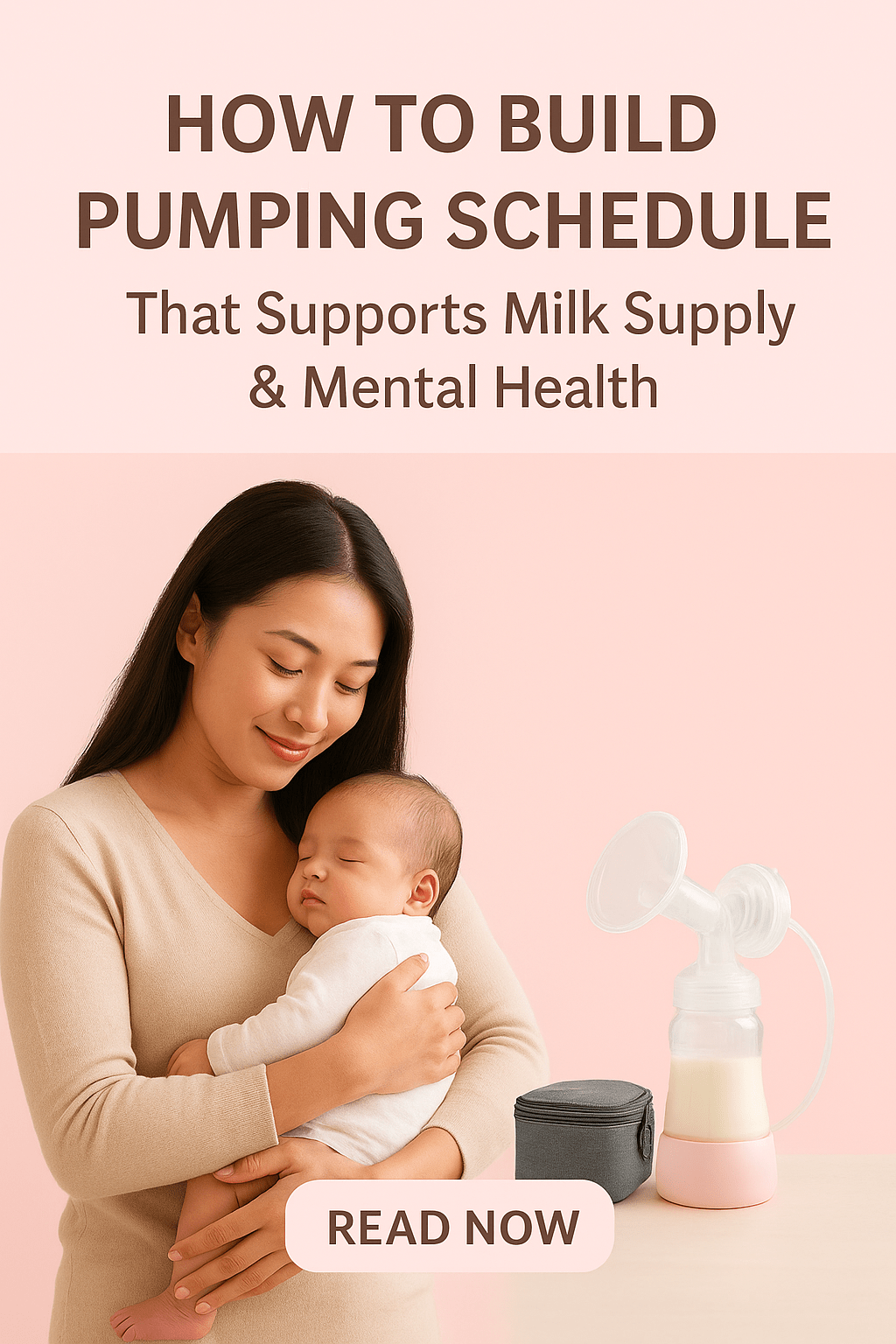

 How to Build a Pumping Schedule That Supports Milk Supply & Mental Health

Why Your Pumping Schedule Matters

If you’re a new mom trying to find your rhythm, a well-planned pumping schedule can make a world of difference. The right routine helps you increase milk supply, reduce stress, and avoid burnout—because your mental health matters just as much as your milk output.

Whether you’re returning to work, exclusively pumping, or adding in a few sessions each day, this guide will walk you step-by-step through building a routine that supports both your body and mind.


Step 1: Understand How Often to Pump

Milk production runs on a supply and demand cycle: the more you pump, the more your body produces.

General Guidelines

  • 0–6 weeks: Pump every 2–3 hours (8–10 times daily)
  • 6+ weeks: 6–8 pumping sessions per day
  • Working moms: Aim for 3 sessions during your workday

Consistency keeps your supply stable. Missing a session occasionally is fine—but skipping often can signal your body to slow production.


👉 

Step 2: Align Pumping with Your Lifestyle

The best pumping schedule is one that fits your life.
Here’s an example for working moms:

Time Session

06:00am Morning pump before work

09:30am Mid morning session

12:30pm Lunch break pump

3:30 pm Afternoon session

9:00pm Optional bedtime pump

If you’re at home, space sessions evenly—but stay flexible. Pumping should feel manageable, not all-consuming.


🤱 


Step 3: Use Power Pumping to Increase Milk Supply

If you’re noticing a dip in production, power pumping mimics your baby’s natural cluster feeding to signal your body to make more milk.

Example Power Pumping Session:

  • Pump 20 minutes
  • Rest 10 minutes
  • Pump 10 minutes
  • Rest 10 minutes
  • Pump another 10 minutes

Repeat daily for a few days to encourage supply.


💧 


Step 4: Protect Your Mental Health While Pumping

Pumping isn’t just physical—it’s emotional. Many moms feel trapped or exhausted by the routine. Here’s how to make it sustainable:

1. Set Realistic Expectations

Your worth isn’t measured in ounces. Fed is best, and you’re doing amazing.

2. Schedule Mental Breaks

Use pump time for calm—listen to music, watch a show, or meditate.

3. Simplify Your Setup

The right tools reduce stress:

  • Hands-free bra
  • Portable pump
  • Cooler bag for storage

🎒 


Step 5: Store and Transport Milk Safely

Your milk is liquid gold—protect it!

Storage Tips

  • Use labeled breast milk bags (date + time).
  • Store 2–4 oz per bag to prevent waste.
  • Rotate milk using “first in, first out.”

Transport Tips

Use a cooler bag with ice packs if you’re away from home.

🧊 


Step 6: Sync Pumping with Baby’s Needs

As your baby grows, feeding patterns stabilize—so your pumping schedule should too.

Tips for adjusting:

  • Gradually space out night sessions as baby sleeps longer.
  • Drop a session when introducing solids.
  • Monitor output before making changes.


Step 7: Track Progress Without Obsessing

Tracking sessions can help you notice trends without creating stress.

Record:

  • Pumping times
  • Output per session
  • Emotional state

📱


Step 8: Build Your Support System

No mom should go through the pumping journey alone. Partner support, family help, and online mom groups can make all the difference.

👩‍👩‍👧 


Step 9: Prioritize Rest

Sleep is one of the most powerful milk boosters—yet it’s often the first thing to go.

Even short naps help balance hormones like prolactin and oxytocin.

🕯️


Step 10: Reassess Every Few Weeks

Your schedule should evolve with your life. Every few weeks, ask:

  • Am I feeling burned out?
  • Do I need more rest?
  • Can I drop a session to protect my mental health?

A good pumping schedule supports both milk supply and emotional balance.


Sample Pumping Schedules

Stay-at-Home Mom

7:00 AM • 10:00 AM • 1:00 PM • 4:00 PM • 7:00 PM • 10:00 PM

Working Mom

6:00 AM • 9:30 AM • 12:30 PM • 3:30 PM • 9:00 PM

Exclusively Pumping Mom

Every 3 hours (8 sessions) until supply stabilizes, then 6–7 sessions per day.


Final Thoughts: Grace Over Perfection

Pumping isn’t a one-size-fits-all journey. It’s about finding balance—supporting your milk supply without sacrificing your mental health.

With the right schedule, mindset, and tools, you can nourish your baby and yourself.


👉 Check out Karen’s Etsy store


Enjoy my other articles:

Self-Care for New Moms: Simple Ways to Protect Your Mental Health After Baby

Bringing a new baby home is one of the most beautiful—and exhausting—experiences of your life. Between sleepless nights, hormonal shifts, and the emotional rollercoaster of early motherhood, it’s easy to put your own needs last.

But here’s the truth every mom needs to remember:
🌸 Self-care isn’t selfish—it’s survival.

Taking time to care for your body and mind helps you heal faster, regulate mood, and show up as the best version of yourself—for your baby, your partner, and you.

If you’re feeling overwhelmed, anxious, or stretched thin, these simple postpartum self-care tips will help you restore balance, rebuild energy, and protect your mental health during the fourth trimester.

Introduction

Bringing a new baby home is one of the most beautiful—and exhausting—experiences of your life. Between sleepless nights, hormonal shifts, and the emotional rollercoaster of early motherhood, it’s easy to put your own needs last.

But here’s the truth every mom needs to remember:
🌸 Self-care isn’t selfish—it’s survival.

Taking time to care for your body and mind helps you heal faster, regulate mood, and show up as the best version of yourself—for your baby, your partner, and you.

If you’re feeling overwhelmed, anxious, or stretched thin, these simple postpartum self-care tips will help you restore balance, rebuild energy, and protect your mental health during the fourth trimester.


1. Prioritize Rest

Sleep deprivation is one of the hardest parts of early motherhood. Even short naps or moments of quiet can help your body and mind recharge.

Create a peaceful rest routine—dim the lights, use calming sounds, and disconnect from screens for a few minutes of peace.

💡 Pro tip: When baby naps, you nap. The laundry can wait—your rest cannot.

Sleep deprivation can deeply affect mood — I talk more about that here:
➡️ Sleep Survival Tips for New Mom


2. Nourish Your Body

Your body is healing and producing milk (if you’re breastfeeding), so nutrition is key. Focus on small, balanced meals rich in protein, fiber, and healthy fats.

Keep easy snacks nearby and make hydration a priority—especially if you’re breastfeeding.

💡 Pro tip: Keep snacks and water by your bedside or nursing chair so you can refuel between feedings.


3. Move Gently

Movement helps boost energy and mood—no intense workouts required! Even a 10-minute walk, gentle yoga, or stretching can reduce tension and release endorphins.

💡 Pro tip: Fresh air works wonders. Try short walks outside, even with baby in a stroller or carrier. (Check my article about benefits of walking – The healing power of walking


4. Write It Out

Journaling is a simple way to process emotions, track progress, and reconnect with gratitude. You don’t need long entries—just a few sentences a day can bring clarity and calm.

💡 Pro tip: Write one thing each day that you’re proud of—it helps shift focus from stress to strength.

➡️ Check out this journal:

“Every Day is a New Day” Journal

Beautiful Flower Covered Journal


5. Lean on Support

You don’t have to do it all alone. Let your partner, family, or friends help, and connect with other moms online who understand what you’re going through.

Sharing your story and struggles can be incredibly healing.

💡 Pro tip: Asking for help doesn’t mean you’re failing—it means you’re taking care of yourself and your baby.

If you’re feeling emotionally overwhelmed, you may also find this helpful:
➡️ Nobody Told Me This Part: Navigating Postpartum Depression & Anxiety


Conclusion

Self-care doesn’t need to be fancy or time-consuming. Small, consistent acts—like sipping tea, taking a nap, or journaling for five minutes—can make a big difference in how you feel day to day.

You deserve rest, comfort, and joy in this new season of life.

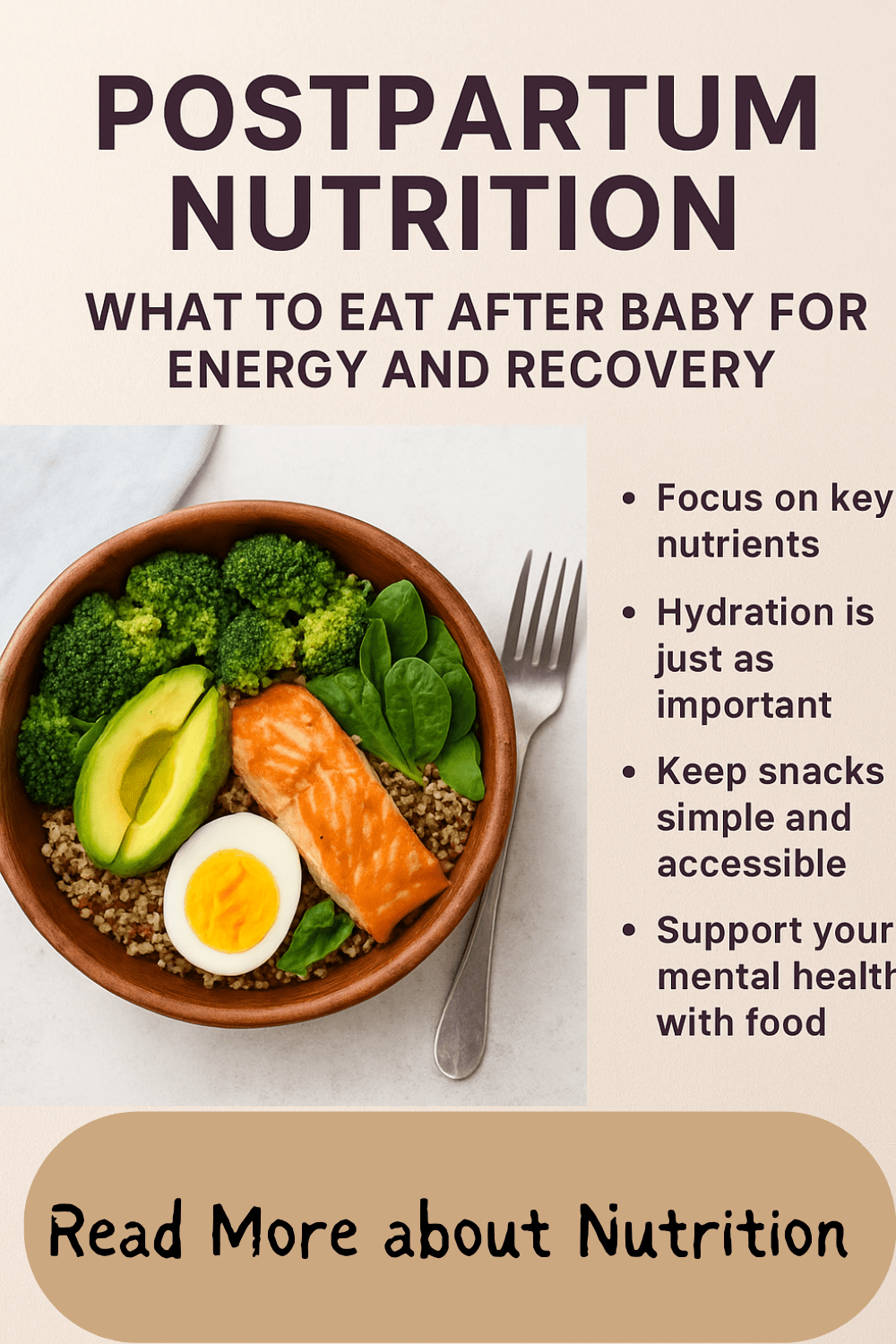
Postpartum Nutrition: What to Eat After Baby for Energy and Recovery

After childbirth, your body needs to repair tissues, replenish blood loss, and support hormone changes. Proper nutrition isn’t just about calories—it’s about rebuilding from the inside out.
Many new moms notice mood dips or fatigue, which can often be linked to nutrient deficiencies or dehydration. A well-balanced postpartum diet helps stabilize mood, boost milk supply, and keep energy steady throughout the day.

Bringing a new baby into the world is beautiful—but it’s also physically and emotionally demanding. The right foods can help your body heal, balance hormones, and restore your energy levels. Whether you’re breastfeeding or simply trying to regain your strength, focusing on nutrient-rich meals makes a world of difference.


🥦 Why Food Matters for Healing and Mood

After childbirth, your body needs to repair tissues, replenish blood loss, and support hormone changes. Proper nutrition isn’t just about calories—it’s about rebuilding from the inside out.
Many new moms notice mood dips or fatigue, which can often be linked to nutrient deficiencies or dehydration. A well-balanced postpartum diet helps stabilize mood, boost milk supply, and keep energy steady throughout the day.


🩸 Section 1: Key Nutrients for Postpartum Recovery

Iron

Essential for rebuilding red blood cells and preventing fatigue after blood loss during birth.
Best sources: Lean meats, lentils, spinach, fortified cereals.

Protein

Protein rebuilds tissue, supports milk production, and keeps you full longer.
Best sources: Eggs, Greek yogurt, chicken, beans, and protein shakes.

Omega-3 Fatty Acids

Omega-3s support brain health, reduce inflammation, and can ease postpartum mood changes.
Best sources: Salmon, walnuts, chia seeds, or DHA supplements.

Tip: Keep a simple list of “core foods” for your weekly grocery trips—iron-rich greens, lean protein, and healthy fats make a powerful combo.


💧 Section 2: Hydration and Milk Supply

Dehydration can zap your energy and decrease milk supply. Aim for at least 8–10 glasses of water daily.
Add electrolyte powders or coconut water for extra hydration—especially if you’re breastfeeding or sweating from those postpartum hot flashes!

Keep a large insulated water bottle near your nursing or pumping station so you never forget to hydrate.


🥣 Section 3: Easy Snack and Meal Prep Ideas

New moms don’t have hours to cook—and that’s okay. Try simple, nutrient-dense snacks that you can grab with one hand:

  • Greek yogurt with berries and granola
  • Peanut butter banana wraps
  • Hard-boiled eggs
  • Oatmeal with flaxseed and almond butter
  • Protein smoothies with spinach and frozen fruit

For meals, use tools like an Instant Pot or slow cooker for batch cooking. Double recipes and freeze portions for quick dinners later.


💊 Section 4: Supplements for New Moms

Even with healthy eating, many postpartum women need extra nutrients. Consider:

  • Postnatal multivitamin with iron and vitamin D
  • DHA/Omega-3 supplements for mood and brain health
  • Probiotics for digestion and immune support

Always check with your healthcare provider before starting any new supplement, especially if you’re breastfeeding.


🌿 Conclusion: Small Changes, Big Results

Postpartum nutrition doesn’t need to be complicated. Start small—add an extra protein source, stay hydrated, or prep snacks in advance. Over time, these simple choices will help your body recover faster, improve your mood, and sustain your energy through the beautiful (and busy) newborn days.

Always check with you doctor to make sure products you ingest are safe for baby’s who are breastfeeding

👉 Check out my other articles in my blog:

Need help with breastfeeding?

When Breastfeeding Feels Overwhelming, Not Beautiful

Not sure if you have postpartum depression:

Early signs of Postpartum Depression all mothers should be aware of

Finding Healing: A Gentle Guide to Restoring Mind, Body, and Spirit

Life has a way of leaving marks on us. Whether from stress, loss, postpartum struggles, or the daily weight of responsibilities, we all reach moments where we crave healing. But healing isn’t just about “getting better.” It’s about learning how to nurture yourself—mind, body, and spirit—so you can truly live with peace and purpose.

That’s why I created a guide/workbook—a gentle, practical resource for women who are ready to embrace renewal and find balance again.

Why Healing Matters

Too often, we push through exhaustion, emotional pain, or physical challenges, believing we should “just deal with it.” But ignoring your needs only deepens the wound. Healing isn’t selfish—it’s essential. It allows you to be present for yourself and for those you love.

Healing is not about perfection. It’s about progress. It’s about finding small ways, every day, to reconnect with your strength, your joy, and your true self.

What You’ll Find in The Healing Guide

This guidebook is designed to be more than words on a page—it’s a companion on your healing journey. Inside, you’ll find:

✨ Practical Tips – Simple, actionable steps to support emotional and physical recovery.
✨ Mindfulness Practices – Gentle reminders to slow down, breathe, and center yourself.
✨ Self-Care Rituals – From journaling prompts to rest practices that nourish instead of deplete.
✨ Encouragement – Words that remind you you’re not alone and that healing is possible.

The Heart of the Message

The core message of this guide//workbook is this: you are worthy of care, rest, and renewal. Healing isn’t about “fixing” yourself; it’s about remembering who you are and giving yourself permission to thrive.

Every chapter is built around compassion. It’s written to meet you where you are—whether you’re in the depths of postpartum recovery, navigating grief, or simply needing a reset.

How to Use the Guide

Think of this book as a journal, a friend, and a roadmap. Read it slowly. Highlight the parts that speak to you. Try the exercises when you’re ready. There’s no pressure and no timeline. Healing unfolds differently for everyone.

Why I Wrote This Book

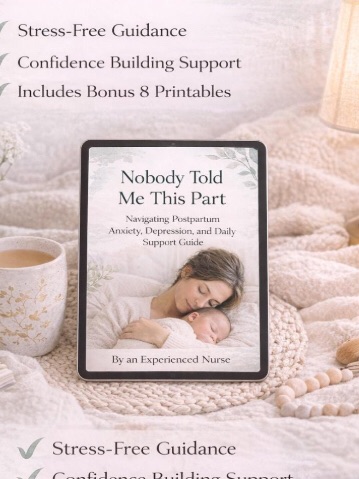
I wrote Nobody Told Me This Part because I know what it’s like to feel drained, lost, and in need of a reset. Through my work and personal journey, I discovered tools that truly help, and I wanted to share them with others who might feel the same way.

If you’ve been searching for hope, encouragement, and practical ways to begin again, this book was written with you in mind.


Final Thought

Healing isn’t a destination—it’s a journey. With the right tools and compassion, you can find your way back to strength, peace, and joy.

💜 Nobody Told Me This Part.👉 

Postpartum Depression & Breastfeeding: How Slower Hormone Changes Can Help — Plus the Benefits of Pumping

Bringing a new baby into the world is one of the most incredible experiences, but it also comes with major physical, emotional, and hormonal changes. For many new moms, postpartum depression (PPD) is a real and overwhelming challenge. According to research, around 1 in 7 women experience postpartum depression, making it one of the most common complications after childbirth.

While every woman’s journey is unique, studies show that breastfeeding may play a role in lowering the risk of postpartum depression. That’s because hormone shifts happen more gradually when milk is expressed—whether through nursing or pumping—compared to allowing milk to dry up quickly. Let’s break down why that matters, and how both breastfeeding and pumping can support your mental and physical health during the postpartum period.


Why Hormones Play a Role in Postpartum Mood

After birth, estrogen and progesterone levels drop dramatically, triggering many of the physical and emotional changes new moms feel. But when you breastfeed or pump, the decline in these hormones is slower and more gradual. In addition, your body produces oxytocin, sometimes called the “love hormone,” which can:

  • Promote bonding between mom and baby
  • Reduce stress and anxiety
  • Create a sense of calm and relaxation

This gradual hormone shift may help reduce the intensity of mood swings and lower the risk of postpartum depression.

If breastfeeding feels too emotionally overwhelming, this article may help you understand if you have PPD:

Early Signs of Postpartum Depression


Breastfeeding Benefits Beyond Nutrition

Breastfeeding offers countless benefits for both mom and baby, including:

  • Emotional well-being: The oxytocin released during let-down helps improve mood and lower stress.
  • Physical recovery: Nursing helps the uterus return to pre-pregnancy size and may reduce postpartum bleeding.
  • Baby’s health: Provides antibodies, reduces risk of infections, and supports brain development.
  • Long-term maternal health: Lowers the risk of certain cancers, type 2 diabetes, and high blood pressure.

When Breastfeeding Isn’t Possible — The Benefits of Pumping

Not every mom can or chooses to breastfeed directly—and that’s okay. Pumping allows you to gain many of the same benefits while still feeding your baby breast milk.

Benefits of pumping include:

  • Maintains milk supply even if baby isn’t latching well
  • Continues gradual hormone release, helping stabilize mood and lessen abrupt hormone drops
  • Flexibility: You can share feeding duties with your partner or caregiver
  • Freedom: Pumping makes it easier to return to work, run errands, or simply rest without worry

Choosing the Right Pump

If you’re planning to pump, a comfortable, efficient, and portable breast pump makes all the difference.

The right pump supports your postpartum journey by helping you continue expressing milk comfortably, which may ease the hormonal transitions linked to mood swings and PPD risk.


Final Thoughts

Postpartum depression is complex, and no single solution works for everyone. Still, supporting your body through gradual hormonal changes with breastfeeding or pumping may help protect your mental health while nourishing your baby.

Whether you breastfeed exclusively, pump, or combine the two, the important thing is finding a routine that works best for you and your baby. And if you’re looking for a reliable, hands-free option to make pumping easier, the Momcozy pump ( https://amzn.to/3VJfc6O) is a smart, mom-approved choice.

Remember: You’re not alone. If you’re struggling with postpartum depression, please reach out to your healthcare provider for support.

If you’d like step-by-step, nurse-approved breastfeeding support, I’m releasing a gentle guide this week.

🔗Breastfeeding Made Simple: A Gentle Guide to Breastfeeding


👉 

Sleep Survival Tips for New Moms: How to Rest During the Newborn Stage

Bringing home a new baby is exciting and full of love—but it can also mean sleepless nights and long days. Between late-night feedings, diaper changes, and adjusting to your baby’s needs, sleep often feels like a luxury. While it’s unrealistic to expect full nights of rest in the early weeks, there are ways to maximize the rest you do get and keep exhaustion from overwhelming you.

Here are some tried-and-true sleep survival tips for new moms to help you through the fourth trimester.


1. Sleep When the Baby Sleeps (But Be Flexible)

You’ve probably heard it a hundred times, but it’s true—those little naps add up. Even if you can’t fall asleep, use that time to rest quietly, meditate, or close your eyes.


2. Share the Load With Your Partner

If possible, alternate nighttime responsibilities with your partner or a trusted caregiver. Even splitting the night into shifts—one handles the baby early, the other later—can help both of you get longer stretches of rest.


3. Create a Restful Sleep Environment

When you finally do get the chance to sleep, make sure your environment helps you fall asleep quickly.

  • Keep your room dark and cool.
  • Use blackout curtains or a sleep mask.
  • Block out outside noise with a sound machine.


4. Accept Help From Others

If family or friends offer to help, say yes! Even an hour of rest while someone else holds the baby can make a huge difference in your energy levels.


5. Nap Smarter

Long naps during the day can interfere with nighttime sleep. Instead, aim for 20–40 minute power naps to refresh your body and mind without leaving you groggy.


6. Prioritize Nutrition & Hydration

Exhaustion feels worse when your body isn’t fueled properly. Eating balanced meals and staying hydrated can help fight fatigue and stabilize energy levels.


7. Don’t Strive for Perfection

Housework can wait. Dishes, laundry, and chores don’t need to be perfect right now. Focus on caring for your baby and giving yourself the rest you need to function.


8. Watch for Signs of Postpartum Depression or Anxiety

If you’re feeling overwhelmed, sad, or unable to sleep even when given the chance, talk to your healthcare provider. Sometimes exhaustion is worsened by postpartum mood disorders, and getting support is an important part of recovery.


Final Thoughts

The newborn stage is temporary, and while sleep may feel scarce, small changes can make a big difference in how you feel. Remember—you’re not alone, and prioritizing your rest is just as important as caring for your baby.

✨ Check out my ebooks:

Breastfeeding Made Simple – a basic breastfeeding guide

Nobody Told Me This Part: A Gentle Guide Through Postpartum Depression & Anxiety


👉 


#NewMomTips #PostpartumRecovery #SleepTipsForMoms #MotherhoodJourney #PostpartumWellness #NewbornLife #MomLifeHacks #BabyTips #PostpartumCare #FourthTrimester

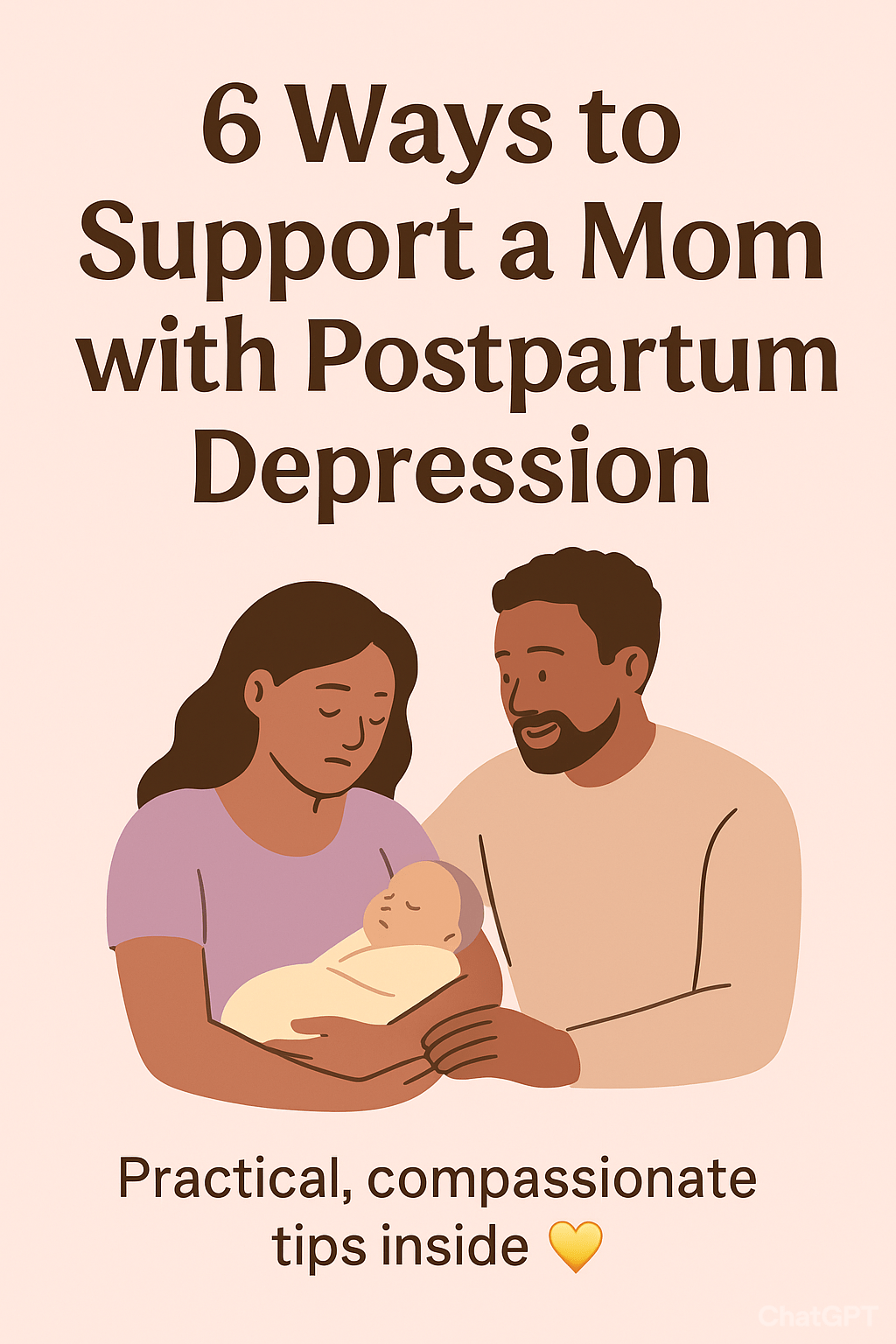
How Partners and Family Can Help a New Mom Struggling with Postpartum Depression

Bringing home a new baby is often pictured as a time filled with joy, snuggles, and happy memories. But for many moms, postpartum depression (PPD) makes this transition overwhelming and isolating. Loved ones—partners, family, and friends—often want to help but aren’t sure how. The truth is, your support can make a world of difference in her recovery.

Bringing home a new baby is often pictured as a time filled with joy, snuggles, and happy memories. But for many moms, postpartum depression (PPD) makes this transition overwhelming and isolating. Loved ones—partners, family, and friends—often want to help but aren’t sure how. The truth is, your support can make a world of difference in her recovery.

This guide will walk you through practical, compassionate ways to support a new mom struggling with postpartum depression.


1. Learn to Listen Without Judgment

One of the most powerful things you can do is simply listen. A mom going through PPD may feel guilt or shame for not feeling “happy enough.” Avoid trying to “fix” her feelings or offering quick solutions. Instead:

  • Say things like, “I’m here for you,” or “You’re not alone in this.”
  • Create space for her to share openly, without fear of judgment.
  • Let silence be okay—sometimes being present is all she needs.

2. Take Over Chores and Household Tasks

Postpartum depression can make even small daily tasks feel impossible. Offering practical help can relieve stress and give her room to breathe:

  • Cook or drop off a meal.
  • Take over laundry or dishes without being asked.
  • Run errands so she doesn’t have to.

Even better, don’t wait for her to ask—anticipate what needs to be done.


3. Encourage Rest and Breaks

New moms often feel pressure to “do it all.” Remind her that taking breaks is not selfish—it’s necessary. You can help by:

  • Watching the baby so she can nap or shower.
  • Suggesting a short walk together for fresh air.
  • Offering to care for the baby so she can enjoy a quiet activity she loves.

4. Watch for Warning Signs

While many moms experience “baby blues,” postpartum depression is deeper and longer-lasting. As a partner or loved one, you can help by noticing signs such as:

  • Persistent sadness or irritability
  • Difficulty bonding with the baby
  • Withdrawing from loved ones
  • Trouble sleeping (beyond normal newborn exhaustion)
  • Thoughts of self-harm

If you notice these signs, encourage her to reach out to her doctor or a mental health professional. Offer to go with her to the appointment if she feels nervous.


5. Offer Emotional Encouragement

A mom struggling with PPD may feel like she’s failing, even though she’s doing her best. Uplift her with reminders:

  • “You’re a wonderful mom, even on tough days.”
  • “It’s okay to ask for help. You don’t have to carry this alone.”
  • “I’m proud of you.”

Sometimes these small affirmations can help her feel seen and valued.


6. Take Care of Yourself, Too

Supporting someone with PPD can be emotionally draining. Make sure you’re practicing self-care so you can show up fully for her. This might include getting your own rest, seeking support from friends, or talking with a counselor. Remember: supporting her doesn’t mean you have to do it perfectly—you just have to show up.


Final Thoughts

Postpartum depression is not a reflection of a mom’s love for her baby—it’s a medical condition that requires compassion and support. As a partner, family member, or friend, you have a unique role in helping her feel less alone and more supported.

By listening, helping with daily tasks, encouraging rest, and being mindful of warning signs, you can help her move toward healing.

✨ Remember: Love, patience, and presence are the greatest gifts you can give a new mom struggling with postpartum depression.

👉 Check out my guide: Nobody told me this part Nobody Told Me This Part

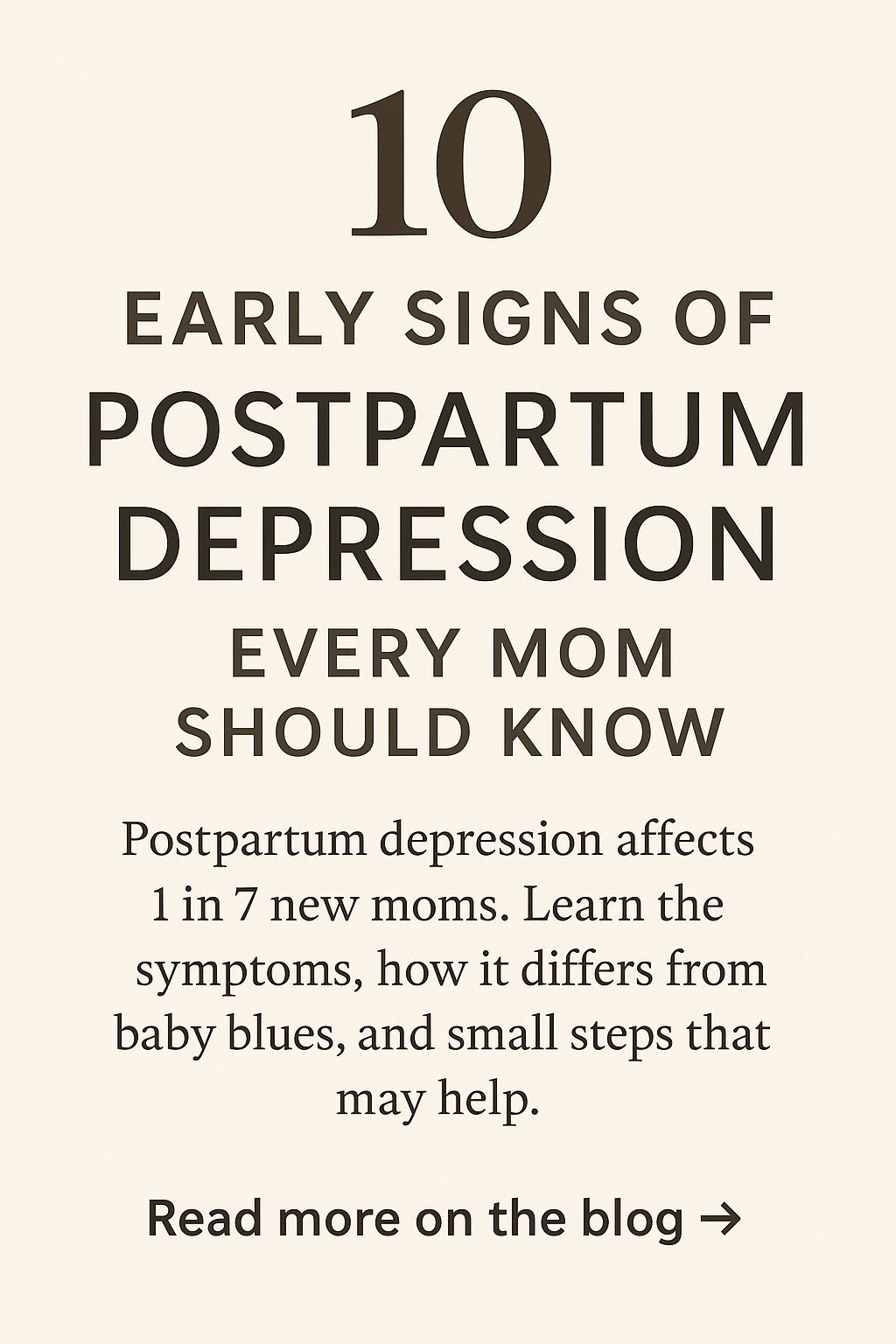
Early Signs of Postpartum Depression Every Mom Should Know

Bringing a new baby into the world is one of life’s most beautiful moments, but for many mothers, it can also be one of the hardest. While it’s normal to feel tired, emotional, or even a little overwhelmed after birth, sometimes these feelings become more intense and linger much longer than expected. That’s where the difference between the baby blues and postpartum depression comes in.

Postpartum depression (PPD) is more common than many realize, and recognizing the early warning signs can make all the difference in getting the help and support you need.

Bringing a new baby into the world is one of life’s most beautiful moments, but for many mothers, it can also be one of the hardest. While it’s normal to feel tired, emotional, or even a little overwhelmed after birth, sometimes these feelings become more intense and linger much longer than expected. That’s where the difference between the baby blues and postpartum depression comes in.

Postpartum depression (PPD) is more common than many realize, and recognizing the early warning signs can make all the difference in getting the help and support you need.


Baby Blues vs. Postpartum Depression

Most new mothers—up to 80%—experience the baby blues within the first few days after birth. These feelings often include mood swings, irritability, and frequent crying. The baby blues usually fade within two weeks as your hormones stabilize and you settle into life with your newborn.

Postpartum depression, however, is different. It’s more intense, lasts longer, and can interfere with your ability to care for yourself and your baby. PPD affects about 1 in 7 women, and it’s not a sign of weakness—it’s a medical condition that deserves care and treatment.


Early Signs of Postpartum Depression

Here are some early symptoms to watch for. Experiencing one or two doesn’t always mean you have PPD, but if they’re persistent or worsening, it’s important to reach out for help:

  1. Persistent sadness or emptiness – Feelings of hopelessness that don’t lift after a couple of weeks.
  2. Intense mood swings – Emotional highs and lows that feel uncontrollable.
  3. Difficulty bonding with your baby – Feeling detached or unable to connect.
  4. Appetite changes – Eating too much or having no appetite at all.
  5. Extreme fatigue or insomnia – Either sleeping too much or being unable to sleep even when the baby does.
  6. Loss of interest in activities – Things you once enjoyed no longer bring pleasure.
  7. Heightened anxiety or panic attacks – Constant worry about your baby’s health or your ability to cope.
  8. Feelings of guilt or worthlessness – Blaming yourself for not being a “good enough” mom.
  9. Difficulty concentrating – Trouble focusing or remembering things.
  10. Thoughts of self-harm or harming your baby – A medical emergency that requires immediate help.

Why Recognizing the Signs Matters

Catching postpartum depression early means you can start receiving support before symptoms worsen. Left untreated, PPD can affect not only your well-being but also your baby’s development and your family’s overall health. But with the right help—whether it’s therapy, support groups, medication, or lifestyle changes—most women recover fully.


Small Steps That May Help

While professional help is key, there are small steps that can support your mental health:

  • Rest whenever you can. Even short naps help.
  • Nourish your body. Eating balanced meals keeps your energy and hormones steady.
  • Gentle movement. A walk outside with the stroller can boost your mood.
  • Breastfeeding or pumping. Breastfeeding releases oxytocin and prolactin, hormones that promote bonding and calmness. If breastfeeding isn’t possible, pumping can still help you maintain milk supply and experience hormonal benefits.
  • Journaling. Writing down your feelings can help release emotions and track your progress.

When to Seek Professional Help

If symptoms last longer than two weeks, are getting worse, or interfere with daily life, it’s time to reach out for help. And if you ever have thoughts of harming yourself or your baby, please seek immediate assistance—call your healthcare provider or local emergency services right away.

Resources to know:


Final Thoughts

If you recognize these signs in yourself—or in someone you love—remember: you are not alone, and help is available. Postpartum depression is treatable, and reaching out for support is a sign of strength, not weakness.

This post is part of the support that inspired my gentle postpartum depression guide:

➡️ Nobody Told Me This Part: A Gentle Guide Through Postpartum Anxiety & Depression

👉 


#PostpartumDepression #NewMomSupport #PostpartumJourney #PostpartumCare #MotherhoodSupport #PostpartumHelp #PostpartumWellness #MentalHealthAwareness #MomLifeSupport #PostpartumRecovery

Down Came the Rain: My Journey Through Postpartum Depression

In this compelling memoir, Brooke Shields talks candidly about her experience with postpartum depression after the birth of her daughter, and provides millions of women with an inspiring example of recovery.

Brook Shields

In this compelling memoir, Brooke Shields talks candidly about her experience with postpartum depression after the birth of her daughter, and provides millions of women with an inspiring example of recovery.

When Brooke Shields welcomed her newborn daughter, Rowan Francis, into the world, something unexpected followed–a crippling depression. Now, for the first time ever, in Down Came the Rain, Brooke talks about the trials, tribulations, and finally the triumphs that occurred before, during, and after the birth of her daughter.

Down Came the Rain