Breastfeeding Without Tears: Getting Started Without Pressure

Breastfeeding is often described as “natural,” yet many new moms are surprised by how challenging it feels in the early days. Pain, exhaustion, confusion, and self-doubt are common — but rarely talked about honestly.

If breastfeeding feels harder than you expected, you are not failing. You are learning something new while recovering from birth, navigating hormonal shifts, and adjusting to life with a newborn.

This guide is here to help you get started gently — without pressure, guilt, or unrealistic expectations.

WHAT NO ONE TELLS YOU

Breastfeeding is not just a physical skill. It’s emotional, mental, and deeply influenced by how supported you feel.

Many moms struggle not because they lack ability, but because:

  • They’re exhausted or medicated after birth
  • They haven’t been shown positioning clearly
  • They feel pressure to “get it right” immediately

Struggling does not mean you won’t succeed.

GENTLE FIRST STEPS

Instead of focusing on perfection, focus on comfort and connection.

  • Bring baby to breast, not breast to baby
  • Support the neck and shoulders — not the head
  • Adjust positions until you are comfortable
  • Ask for help early (this is strength, not weakness)

Small changes can make a big difference.

WHEN IT FEELS EMOTIONALLY HEAVY (NEW)

Breastfeeding doesn’t happen in isolation. When you’re exhausted, hormonal, healing, or emotionally overwhelmed, feeding challenges can feel heavier than they should.

If breastfeeding is affecting your confidence, mood, or sense of self, it’s not because you’re doing something wrong — it’s because postpartum is a full-body, full-mind experience.

👉 Emotional support postpartum

YOU ARE ALLOWED TO GO SLOW

There is no prize for pushing through pain or distress.

The best feeding journey is one that:

  • Keeps baby nourished
  • Keeps you emotionally supported
  • Feels sustainable for your family

There is no single “right” way to breastfeed.

Breastfeeding challenges often bring up unexpected emotions — frustration, guilt, sadness, or anxiety. Many moms don’t realize how closely feeding and emotional well-being are connected. If you’re feeling emotionally worn down during this season, gentle support matters just as much as practical guidance. You can read more about emotional survival after baby here.

👉 Breastfeeding Without Tears

You are learning. Your baby is learning. And both of you deserve patience and compassion.

Breastfeeding doesn’t have to be perfect to be meaningful.

When Breastfeeding Feels Overwhelming, Not Beautiful

A gentle look at feeding, mental health, and support for new moms

If you were told that breastfeeding would feel natural, peaceful, or instantly bonding — and instead it feels stressful, emotional, or heavy — you’re not alone.

Many new moms quietly struggle with breastfeeding not because they don’t care enough, but because they care so much while already running on very little sleep, support, or emotional reserve.

Breastfeeding doesn’t exist in a vacuum.

It happens while you’re healing, adjusting, and learning how to be someone new.

And when mental health is fragile — which is incredibly common in the postpartum period — feeding can feel like one more thing you’re expected to get “right.”

A gentle look at feeding, mental health, and support for new moms

If you were told that breastfeeding would feel natural, peaceful, or instantly bonding — and instead it feels stressful, emotional, or heavy — you’re not alone.

Many new moms quietly struggle with breastfeeding not because they don’t care enough, but because they care so much while already running on very little sleep, support, or emotional reserve.

Breastfeeding doesn’t exist in a vacuum.

It happens while you’re healing, adjusting, and learning how to be someone new.

And when mental health is fragile — which is incredibly common in the postpartum period — feeding can feel like one more thing you’re expected to get “right.”


Why Breastfeeding Can Feel So Hard Emotionally

Breastfeeding is often talked about as a physical skill. But for many mothers, the emotional side is what feels hardest.

You might be carrying:

  • Pressure to meet expectations
  • Fear of doing something wrong
  • Guilt when feeding doesn’t feel peaceful
  • Anxiety about supply, schedules, or baby’s cues
  • Exhaustion that makes everything feel heavier

When you’re already emotionally stretched, even small feeding challenges can feel overwhelming.

This doesn’t mean you’re failing.

It means your nervous system is doing its best under a lot of demand.


The Connection Between Mental Health and Feeding

Postpartum mental health and breastfeeding are deeply connected — even though they’re rarely talked about together.

When you’re anxious, overstimulated, or emotionally depleted:

  • Your body holds tension
  • Feeding can feel rushed or stressful
  • Confidence is harder to access
  • Tears come more easily

And then comes the spiral:

Why is this so hard? Why can’t I just relax? Why does everyone else seem to manage this?

The truth is, many mothers are struggling quietly.

Support — not pressure — is what helps breastfeeding feel more manageable.


You Deserve Calm, Not Constant Correction

A lot of breastfeeding advice is loud.

It tells you what you should do, how it should feel, and what you need to fix.

But many new moms don’t need more instructions.

They need reassurance.

They need permission to slow down.

They need someone to say:

You’re allowed to approach feeding gently.


A Gentler Way to Think About Breastfeeding Support

Breastfeeding support doesn’t have to mean pushing through tears or ignoring your own emotional needs.

A calmer approach focuses on:

  • Reducing pressure
  • Supporting mental health alongside feeding
  • Building confidence slowly
  • Making room for rest and emotional safety

Feeding your baby should not cost you your sense of self.


A Nurse-Guided, Stress-Free Resource for New Moms

This is why I created Breastfeeding Without Tears: A Nurse-Guided, Stress-Free Guide for New Moms.

It’s not about doing breastfeeding perfectly.

It’s about helping feeding feel:

  • Less overwhelming
  • More supported
  • Emotionally sustainable

This guide was written for mothers who want support without judgment — and who understand that mental health matters just as much as technique.

You can read more about the guide and what’s included here: Breastfeeding Without Tears: A Gentle Guide for New Moms — Coming Soon


If Feeding Feels Heavy Right Now

If breastfeeding feels emotional, stressful, or nothing like you expected, please know this:

You are not broken.

You are not weak.

You are adjusting to something enormous.

Support exists — and it’s allowed to feel gentle.

Even one small shift toward calm is enough for today.

How to Protect Your Mental Health When You Feel Completely Alone After Baby

Postpartum loneliness is common — and painful. If you feel isolated after baby, this post offers reassurance, validation, and gentle ways to protect your mental health.

#PostpartumLoneliness #NewMomSupport #MentalHealthForMoms #FourthTrimester #YouAreNotAlone

Many new moms feel isolated — even with people around them.

You might think:

  • “Everyone else is coping better”
  • “I shouldn’t feel this way”
  • “I don’t want to burden anyone”

But postpartum loneliness is real — and dangerous when ignored.

Why Loneliness Hits After Birth

Your routine changes overnight. Adult conversation decreases. Support may fade once the baby arrives.

This emotional distance can quietly impact mental health.

What Actually Helps When You Feel Alone

Connection doesn’t have to be big. Start small:

  • Text one safe person
  • Join an online mom group
  • Talk to a professional who understands postpartum care

If you ever feel overwhelmed or unsafe, help is available:
📞 National Maternal Mental Health Hotline: 1-833-TLC-MAMA
(Free, confidential support)

You Deserve Support — Not Silence

Needing help does not mean you’re failing. It means you’re human.

🌱 For more ways to protect your mental health after baby, read my new ebook now

➡️ Postpartum Anxiety & Depression Guide

➡️ Breastfeeding Without Tears

When Motherhood Hits Harder Than Expected: What Watching My Son and Daughter-in-Law Taught Me About Postpartum Struggles

When I first became a grandmother, I thought my role would be simple—love on the grandbabies, spoil them just a little, and watch my children build their own families with pride. What I didn’t expect was how deeply I would witness the challenges that come with bringing not just one, but two babies into the world only 14 months apart.

From the outside, friends and neighbors often see the smiling family photos, the adorable matching outfits, and the milestones shared on social media. What they don’t see are the sleepless nights, the overwhelming fatigue, and the silent tears shed behind closed doors.

I watched my daughter-in-law, a strong and loving mother, carry the weight of postpartum exhaustion and anxiety. I saw my son struggle with his own feelings of helplessness as he tried to support her while adjusting to fatherhood himself. Together, they were navigating a season of life that was both beautiful and brutally hard.

It was in these raw, unfiltered moments that I was reminded of something important: postpartum mental health is not talked about nearly enough. Too often, women are told they should be glowing, grateful, and fulfilled. Too often, partners feel left out of the conversation, unsure how to help. And too often, families silently endure when they deserve understanding, support, and resources.

This is what inspired me to write my new ebook:
NOBODY TOLD ME THIS PART: Navigating Postpartum Anxiety, Depression, and Daily Survival With Support

By K. Lynn Miller, RN, BSN

I wanted to create something practical, honest, and deeply supportive—a guide that validates the messy, exhausting parts of postpartum life while also offering hope and concrete strategies to make daily survival a little easier.

Inside, I share:

  • What’s normal and what’s not when it comes to postpartum mood changes.
  • Practical daily survival tips for moms, especially in the fog of sleep deprivation.
  • How partners can truly support, beyond just “helping with the baby.”
  • Stories and examples that remind you: you are not alone.
  • Treatment options and professional resources when it’s time to seek more help.

Writing this book was more than just a project—it was personal. I wrote it because I’ve seen the struggles firsthand. I wrote it for my daughter-in-law, for my son, for every mother who has felt overwhelmed, and for every partner who has wondered if they’re doing enough.

If you or someone you love is walking through this season, my hope is that this book will feel like a supportive friend—one who listens without judgment, reminds you of your strength, and offers a gentle nudge toward healing when you need it most.

Because motherhood is hard. But no one should have to walk it alone.

📖 You can find the book here ➡️ NOBODY TOLD ME THIS PART


The Power of Rest: Why Slowing Down Is the Secret to Postpartum Healing

As a nurse who has cared for countless mothers, I’ve seen how deeply the body and mind need time to heal after birth. Rest isn’t a luxury — it’s medicine. The postpartum period, often called the fourth trimester, is a time of incredible transformation, and slowing down is what allows your body to rebuild, your hormones to rebalance, and your spirit to find steady ground again.

Rest Isn’t Indulgent — It’s Essential

We live in a world that celebrates the “bounce back.” New moms are often praised for how quickly they fit into their jeans again or get back to “normal life.” But the truth is, there’s no medal for rushing postpartum recovery.

As a nurse who has cared for countless mothers, I’ve seen how deeply the body and mind need time to heal after birth. Rest isn’t a luxury — it’s medicine. The postpartum period, often called the fourth trimester, is a time of incredible transformation, and slowing down is what allows your body to rebuild, your hormones to rebalance, and your spirit to find steady ground again.


Section 1: What Happens When We Don’t Rest

When you push through exhaustion, your body pays the price — even if you don’t feel it right away. Lack of rest after birth can:

  • Delay healing of the pelvic floor and abdomen
  • Disrupt milk supply and hormonal balance
  • Increase inflammation, stress, and mood swings
  • Heighten the risk of postpartum anxiety or depression

After delivery, your hormones shift dramatically. Your body begins repairing tissue, rebuilding blood volume, and adjusting to new metabolic demands. Without rest, these processes slow down — and your emotional health can take a hit.

Tip: A supportive nursing friendly pajamas can make resting more comfortable and help you feel human again. Look for breathable fabrics and styles designed for nursing.


Section 2: The Science of Rest — How the Body Rebuilds After Birth

Rest is the quiet work your body does when you’re still. During postpartum recovery, rest supports:

  • Uterine healing: Contractions continue after birth as your uterus returns to its pre-pregnancy size.
  • Hormonal regulation: Sleep and rest stabilize prolactin, oxytocin, and cortisol — essential for milk production, bonding, and mood.
  • Tissue repair: Your body rebuilds muscle and tissue strained during pregnancy and delivery.
  • Mental recovery: Rest helps your brain adjust to motherhood and regulate stress.

Tip: A comfortable cushion or nursing pillow can make sitting or feeding more comfortable while your body recovers. Small physical comforts often lead to big emotional relief.


Section 3: Realistic Ways to Rest (Even With a Newborn)

Rest doesn’t always mean eight hours of uninterrupted sleep — it’s about creating small, intentional pauses throughout your day. Try these ideas:

  • Nap when baby naps, even if it’s only 20 minutes.
  • Accept help — if someone offers to cook or fold laundry, say yes.
  • Set up a “rest station” near your nursing chair: water, snacks, burp cloths, and your phone.
  • Use gentle support products like a hands-free breast pump so you can rest your arms while expressing milk.
  • Use a sound machine or soothing diffuser to create a calm environment for both you and baby.

Tip: A pump that lets you rest upright or reclined while pumping, reducing strain on your wrists and shoulders — a small win that makes a big difference in recovery.


Section 4: Rest vs. Sleep — Both Matter

Many moms feel defeated when they hear “get more sleep.” While sleep is critical for physical healing, rest goes beyond sleep.

Rest means slowing your body and quieting your mind, even when you’re awake. That could mean sitting quietly with your baby on your chest, enjoying sunlight on your porch, or taking a short walk in the afternoon.

Think of sleep as repair, and rest as recharge — both are essential for full postpartum healing.

Tip: Try a weighted blanket or an essential oil roller during brief rest moments — both promote relaxation and help signal your body to slow down.


Closing: Rest Is the Foundation of Strength

You don’t need to prove your strength by doing it all. True strength comes from honoring your body’s need to slow down.

When you rest, you heal. You rebuild. You nurture yourself so you can nurture your baby.

Your body has done something miraculous — now it deserves the same tenderness and care you give your newborn.


Continue Reading

If you found this helpful, you’ll also love:


👉 Self-Care for New Moms: Simple Ways to Protect Your Mental Health After Baby


👉Sleep Survival Tips for New Moms: How to Rest During the Newborn Stage

We live in a world that celebrates the “bounce back.” New moms are often praised for how quickly they fit into their jeans again or get back to “normal life.” But the truth is, there’s no medal for rushing postpartum recovery.

As a nurse who has cared for countless mothers, I’ve seen how deeply the body and mind need time to heal after birth. Rest isn’t a luxury — it’s medicine. The postpartum period, often called the fourth trimester, is a time of incredible transformation, and slowing down is what allows your body to rebuild, your hormones to rebalance, and your spirit to find steady ground again.


🌿 The Healing Power of Walking: Why Gentle Movement is the Best Exercise for Postpartum Moms

Becoming a mother changes everything—your body, your emotions, your priorities, and even how you move through the world. After giving birth, there’s often pressure to “bounce back” or dive into workouts before your body is ready. But here’s the truth: the best exercise for postpartum recovery isn’t found in high-intensity routines or gym memberships—it’s found in something much simpler.

Becoming a mother changes everything—your body, your emotions, your priorities, and even how you move through the world. After giving birth, there’s often pressure to “bounce back” or dive into workouts before your body is ready. But here’s the truth: the best exercise for postpartum recovery isn’t found in high-intensity routines or gym memberships—it’s found in something much simpler.

Walking.

Walking is one of the most powerful, healing forms of movement for new moms. It gently rebuilds strength, boosts mood, and nurtures your mind and body—without the strain of early high-impact exercise. In this post, we’ll explore the incredible benefits of walking for postpartum women, when and how to start safely, and how to make your walks more enjoyable with a few curated essentials that support your recovery journey.


💛 A Gentle Reminder Before You Begin

Before lacing up your sneakers, always consult your OB-GYN or healthcare provider—especially in the first six weeks after birth. Your body is still healing from pregnancy and delivery, and every woman’s recovery timeline is unique. Whether you had a vaginal birth or a C-section, your doctor’s clearance ensures you’re moving safely and supporting proper healing.

During those first six weeks, think of rest as your body’s most important workout. Once cleared, walking becomes the perfect next step—literally.


🌸 Why Walking Is the Ideal Postpartum Exercise

1. It’s Gentle, Yet Effective

Walking increases blood flow, strengthens your heart, and helps tone your muscles—all without stressing your joints or core. It’s low-impact, making it ideal for the postpartum phase when your ligaments and pelvic floor are still recovering from pregnancy hormones like relaxin.

Tip:
💧 Hydrate as you move! Staying hydrated helps your energy and milk supply if you’re breastfeeding.


2. Boosts Mental Health and Reduces Postpartum Blues

New motherhood can feel isolating, and hormonal shifts may leave you feeling anxious or down. Walking outdoors gives you sunlight (hello, vitamin D), fresh air, and a change of scenery—all proven mood-boosters. The rhythmic pace of walking can also calm your nervous system and reduce stress hormones like cortisol.

Even a 10–15 minute walk can make a huge difference in how you feel.


3. Reconnects You With Your Body

After childbirth, many moms feel disconnected from their bodies. Walking allows you to rebuild that connection gently—without judgment or comparison. It’s about moving, breathing, and appreciating all your body has done and continues to do.

You can even turn walks into a mindfulness practice. Feel the ground under your feet, listen to your baby’s coos (or the wind in the trees), and take slow, steady breaths. It’s not about burning calories—it’s about honoring your healing.

Tip:
🧘 Make mindfulness easy, pause for deep breathing.


4. Helps Strengthen Your Core and Pelvic Floor (Safely)

Traditional crunches or planks are not recommended in the first weeks postpartum, especially if you have diastasis recti (abdominal separation). Walking naturally engages your core muscles without pressure, helping them regain tone and stability.

To protect your pelvic floor, start slow. Choose flat terrain, wear supportive shoes, and use a baby carrier that distributes weight evenly.

Tip:
👶 For comfort and support, choose a baby carrier that is breathable, ergonomic, and perfect for postpartum walks with your little one snuggled close.


5. Encourages Better Sleep and Energy

It’s no secret that new moms run on limited sleep. While a full night’s rest might feel like a dream, walking can improve your sleep quality and daytime energy levels. Regular movement helps regulate your circadian rhythm, making it easier to fall (and stay) asleep when the opportunity arises.

Pair your walks with a gentle evening wind-down routine—stretching, tea, and dim lights—to signal to your body that rest is coming.


6. Supports Weight Balance Gradually

If your goal includes regaining strength or shedding postpartum weight, walking offers a realistic and sustainable approach. You’ll burn calories, build endurance, and improve muscle tone over time—without overtaxing your recovering body.

Combine walking with nourishing foods, hydration, and rest for a holistic approach to postpartum wellness.

Tip:
🥗 Fuel your recovery easily. Keep healthy snacks in your diaper bag to avoid energy crashes.


7. Strengthens the Bond With Your Baby

Walking with your baby—whether in a stroller or carrier—is a beautiful bonding activity. The gentle motion soothes babies and helps them nap, while you benefit from the movement and fresh air.

Some moms use this time to listen to audiobooks or podcasts, while others simply enjoy the quiet. Either way, it becomes a shared ritual of connection and calm.


8. Helps You Reclaim “You Time”

New motherhood often feels like giving every part of yourself to someone else. A simple walk—alone, with your partner, or with a friend—becomes your sanctuary. Even 15 minutes can help you reset emotionally and mentally.

Try scheduling a short solo walk daily once your partner or family can watch the baby. You’ll return feeling more grounded, patient, and refreshed.

Tip:
🎧 Make it an escape with sound. Block out background noise and let you enjoy your favorite playlist, podcast, or guided meditation on the go.


🌼 When and How to Start Walking Postpartum

Weeks 1–2: Focus entirely on rest, hydration, and gentle movement around the house if cleared by your provider. No formal exercise yet.

Weeks 3–6: Once cleared, begin with short strolls around your home or backyard—5–10 minutes max. Wear comfortable shoes and listen to your body.

After 6 Weeks: Gradually increase your walks to 20–30 minutes. Alternate between slower and brisker paces to build endurance. You can also push the stroller for added resistance (and bonus baby time!).

C-section moms: Healing can take longer. Begin only when your incision is pain-free and cleared by your doctor. Supportive leggings or a postpartum belly band can help you feel more comfortable.

Tip:
🖤 Wear Postpartum support leggings that feel like a hug: smooth, compressive, and perfect for walking or lounging.


☕ Make Walking a Joyful Routine

The key to maintaining a walking routine is making it something you look forward to. Here are a few ideas:

  • Walk with your baby during nap time in the stroller.
  • Join a “Mommy and Me” walking group.
  • Choose a route with beautiful scenery or a favorite coffee stop.
  • Pair walks with your favorite playlist or podcast.
  • Reward yourself afterward with a cozy tea ritual or journaling moment.


💬 Final Thoughts: One Step at a Time

Walking may seem simple, but it’s a powerful act of healing, self-care, and strength. Each step helps you rebuild not only your physical health—but also your confidence and sense of self after birth.

Remember, recovery isn’t a race. Your body has done something miraculous, and it deserves patience and kindness. Whether you walk around your block, through the park, or just up and down your driveway, you’re taking meaningful steps toward wellness.


🛍️ Shop My Postpartum Etsy Shop

👉 Shop karensclassythings


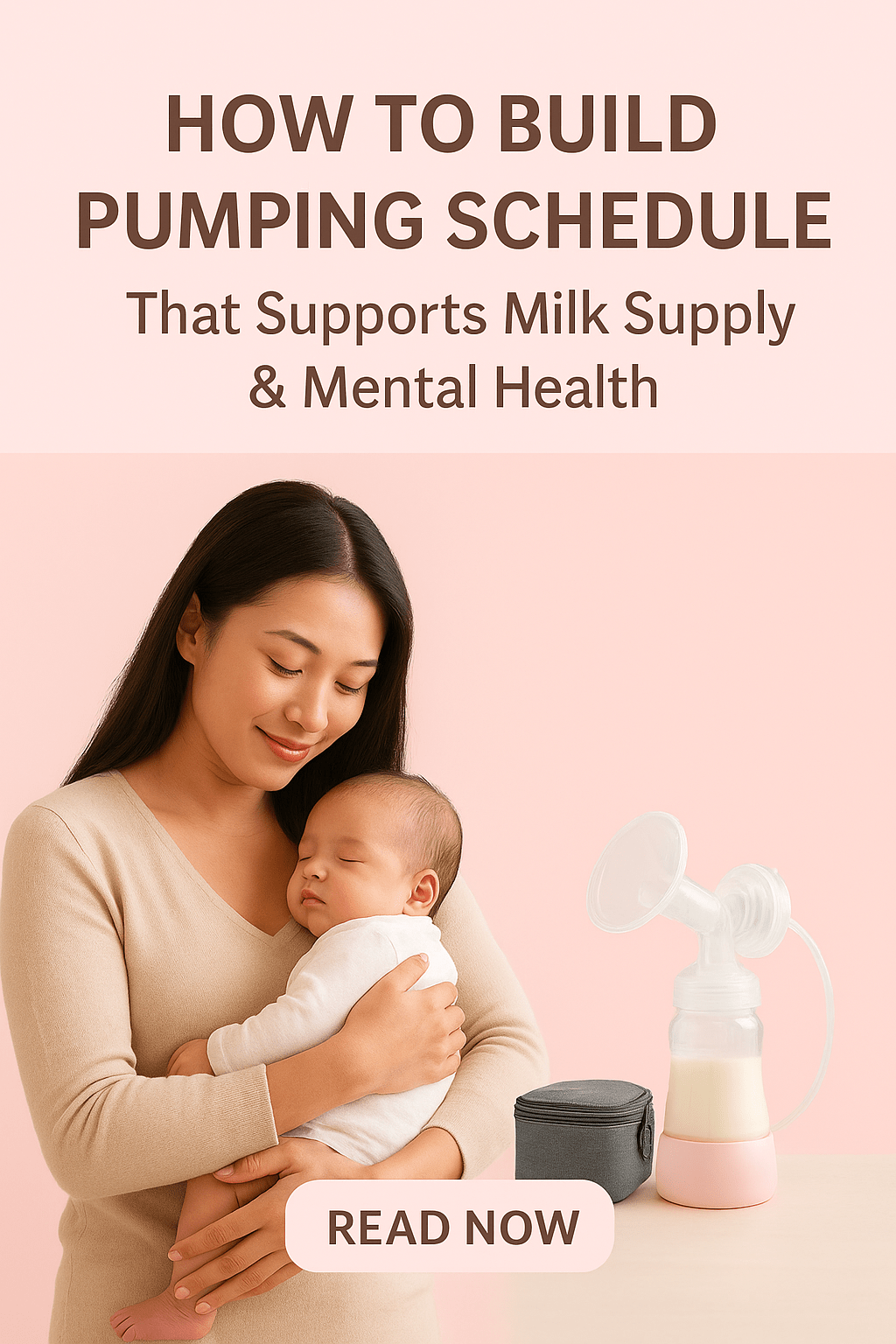
 How to Build a Pumping Schedule That Supports Milk Supply & Mental Health

Why Your Pumping Schedule Matters

If you’re a new mom trying to find your rhythm, a well-planned pumping schedule can make a world of difference. The right routine helps you increase milk supply, reduce stress, and avoid burnout—because your mental health matters just as much as your milk output.

Whether you’re returning to work, exclusively pumping, or adding in a few sessions each day, this guide will walk you step-by-step through building a routine that supports both your body and mind.


Step 1: Understand How Often to Pump

Milk production runs on a supply and demand cycle: the more you pump, the more your body produces.

General Guidelines

  • 0–6 weeks: Pump every 2–3 hours (8–10 times daily)
  • 6+ weeks: 6–8 pumping sessions per day
  • Working moms: Aim for 3 sessions during your workday

Consistency keeps your supply stable. Missing a session occasionally is fine—but skipping often can signal your body to slow production.


👉 

Step 2: Align Pumping with Your Lifestyle

The best pumping schedule is one that fits your life.
Here’s an example for working moms:

TimeSession
6:00 AMMorning pump before work
9:30 AMMid-morning session
12:30 PMLunch break pump
3:30 PMAfternoon session
9:00 PMOptional bedtime pump

If you’re at home, space sessions evenly—but stay flexible. Pumping should feel manageable, not all-consuming.


🤱 


Step 3: Use Power Pumping to Increase Milk Supply

If you’re noticing a dip in production, power pumping mimics your baby’s natural cluster feeding to signal your body to make more milk.

Example Power Pumping Session:

  • Pump 20 minutes
  • Rest 10 minutes
  • Pump 10 minutes
  • Rest 10 minutes
  • Pump another 10 minutes

Repeat daily for a few days to encourage supply.


💧 


Step 4: Protect Your Mental Health While Pumping

Pumping isn’t just physical—it’s emotional. Many moms feel trapped or exhausted by the routine. Here’s how to make it sustainable:

1. Set Realistic Expectations

Your worth isn’t measured in ounces. Fed is best, and you’re doing amazing.

2. Schedule Mental Breaks

Use pump time for calm—listen to music, watch a show, or meditate.

3. Simplify Your Setup

The right tools reduce stress:

  • Hands-free bra
  • Portable pump
  • Cooler bag for storage

🎒 


Step 5: Store and Transport Milk Safely

Your milk is liquid gold—protect it!

Storage Tips

  • Use labeled breast milk bags (date + time).
  • Store 2–4 oz per bag to prevent waste.
  • Rotate milk using “first in, first out.”

Transport Tips

Use a cooler bag with ice packs if you’re away from home.

🧊 


Step 6: Sync Pumping with Baby’s Needs

As your baby grows, feeding patterns stabilize—so your pumping schedule should too.

Tips for adjusting:

  • Gradually space out night sessions as baby sleeps longer.
  • Drop a session when introducing solids.
  • Monitor output before making changes.


Step 7: Track Progress Without Obsessing

Tracking sessions can help you notice trends without creating stress.

Record:

  • Pumping times
  • Output per session
  • Emotional state

📱


Step 8: Build Your Support System

No mom should go through the pumping journey alone. Partner support, family help, and online mom groups can make all the difference.

👩‍👩‍👧 


Step 9: Prioritize Rest

Sleep is one of the most powerful milk boosters—yet it’s often the first thing to go.

Even short naps help balance hormones like prolactin and oxytocin.

🕯️


Step 10: Reassess Every Few Weeks

Your schedule should evolve with your life. Every few weeks, ask:

  • Am I feeling burned out?
  • Do I need more rest?
  • Can I drop a session to protect my mental health?

A good pumping schedule supports both milk supply and emotional balance.


Sample Pumping Schedules

Stay-at-Home Mom

7:00 AM • 10:00 AM • 1:00 PM • 4:00 PM • 7:00 PM • 10:00 PM

Working Mom

6:00 AM • 9:30 AM • 12:30 PM • 3:30 PM • 9:00 PM

Exclusively Pumping Mom

Every 3 hours (8 sessions) until supply stabilizes, then 6–7 sessions per day.


Final Thoughts: Grace Over Perfection

Pumping isn’t a one-size-fits-all journey. It’s about finding balance—supporting your milk supply without sacrificing your mental health.

With the right schedule, mindset, and tools, you can nourish your baby and yourself.


Affiliate Product Recap

ProductPurpose
Spectra S1 Breast PumpHospital-strength suction
Kindred Bravely Bra Hands-free comfort
Sarah Wells Pump BagStylish organization
Momcozy Cooler BagMilk storage on the go
Elvie Stride PumpWearable convenience
Willow Go PumpFreedom to move
Hatch Restore 2 Sleep SystemBetter sleep support

👉 Shop all my nurse-approved postpartum favorites here: Karen’s Etsy store


Enjoy my other articles:

Self-Care for New Moms: Simple Ways to Protect Your Mental Health After Baby

Bringing a new baby home is one of the most beautiful—and exhausting—experiences of your life. Between sleepless nights, hormonal shifts, and the emotional rollercoaster of early motherhood, it’s easy to put your own needs last.

But here’s the truth every mom needs to remember:
🌸 Self-care isn’t selfish—it’s survival.

Taking time to care for your body and mind helps you heal faster, regulate mood, and show up as the best version of yourself—for your baby, your partner, and you.

If you’re feeling overwhelmed, anxious, or stretched thin, these simple postpartum self-care tips will help you restore balance, rebuild energy, and protect your mental health during the fourth trimester.

Introduction

Bringing a new baby home is one of the most beautiful—and exhausting—experiences of your life. Between sleepless nights, hormonal shifts, and the emotional rollercoaster of early motherhood, it’s easy to put your own needs last.

But here’s the truth every mom needs to remember:
🌸 Self-care isn’t selfish—it’s survival.

Taking time to care for your body and mind helps you heal faster, regulate mood, and show up as the best version of yourself—for your baby, your partner, and you.

If you’re feeling overwhelmed, anxious, or stretched thin, these simple postpartum self-care tips will help you restore balance, rebuild energy, and protect your mental health during the fourth trimester.


1. Prioritize Rest

Sleep deprivation is one of the hardest parts of early motherhood. Even short naps or moments of quiet can help your body and mind recharge.

Create a peaceful rest routine—dim the lights, use calming sounds, and disconnect from screens for a few minutes of peace.

💡 Pro tip: When baby naps, you nap. The laundry can wait—your rest cannot.

Sleep deprivation can deeply affect mood — I talk more about that here:
➡️ Sleep Survival Tips for New Mom


2. Nourish Your Body

Your body is healing and producing milk (if you’re breastfeeding), so nutrition is key. Focus on small, balanced meals rich in protein, fiber, and healthy fats.

Keep easy snacks nearby and make hydration a priority—especially if you’re breastfeeding.

💡 Pro tip: Keep snacks and water by your bedside or nursing chair so you can refuel between feedings.


3. Move Gently

Movement helps boost energy and mood—no intense workouts required! Even a 10-minute walk, gentle yoga, or stretching can reduce tension and release endorphins.

💡 Pro tip: Fresh air works wonders. Try short walks outside, even with baby in a stroller or carrier. (Check my article about benefits of walking – The healing power of walking


4. Write It Out

Journaling is a simple way to process emotions, track progress, and reconnect with gratitude. You don’t need long entries—just a few sentences a day can bring clarity and calm.

💡 Pro tip: Write one thing each day that you’re proud of—it helps shift focus from stress to strength.

➡️ Check out this journal:

“Every Day is a New Day” Journal

Beautiful Flower Covered Journal


5. Lean on Support

You don’t have to do it all alone. Let your partner, family, or friends help, and connect with other moms online who understand what you’re going through.

Sharing your story and struggles can be incredibly healing.

💡 Pro tip: Asking for help doesn’t mean you’re failing—it means you’re taking care of yourself and your baby.

If you’re feeling emotionally overwhelmed, you may also find this helpful:
➡️ Nobody Told Me This Part: Navigating Postpartum Anxiety & Depression


Conclusion

Self-care doesn’t need to be fancy or time-consuming. Small, consistent acts—like sipping tea, taking a nap, or journaling for five minutes—can make a big difference in how you feel day to day.

You deserve rest, comfort, and joy in this new season of life.

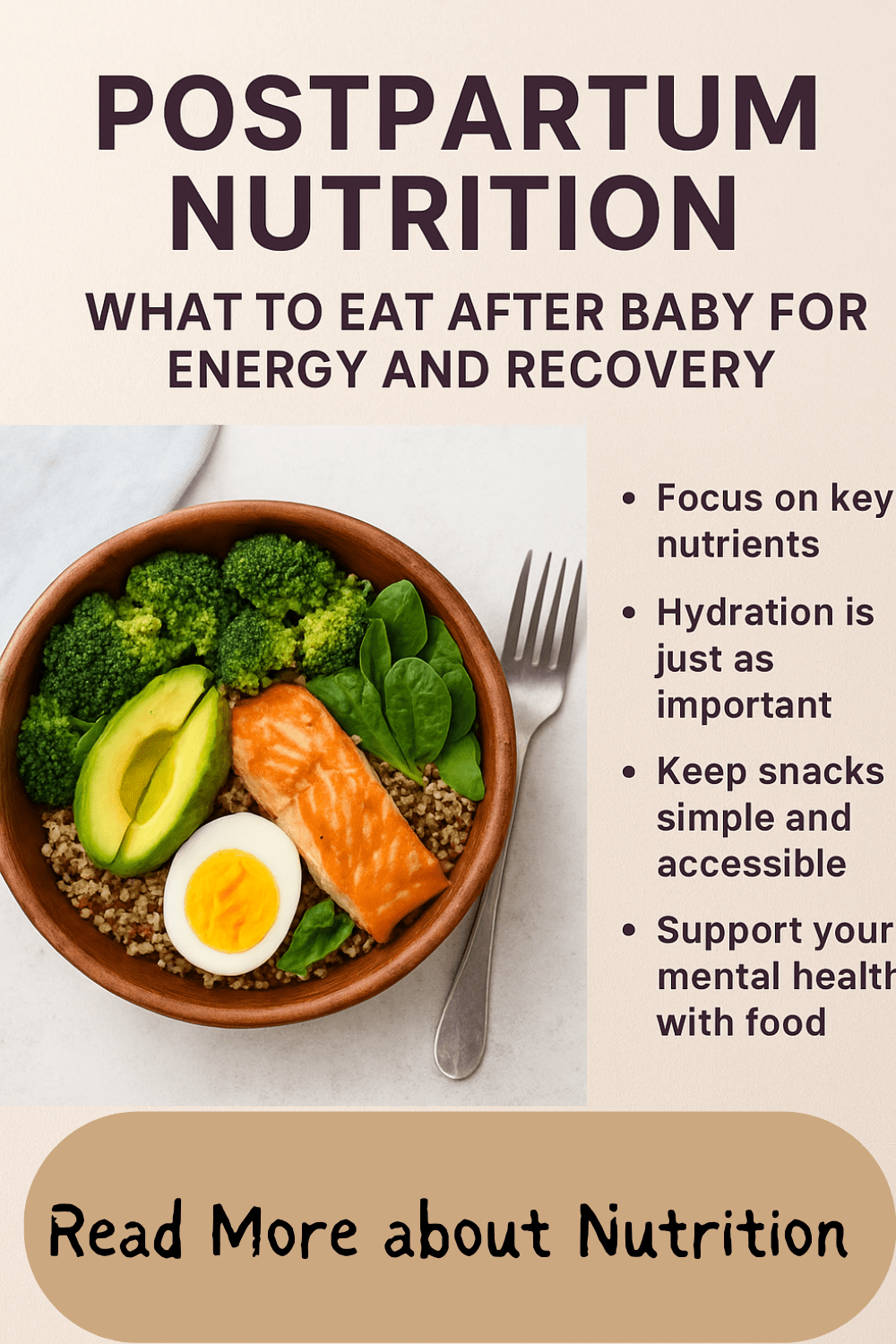
Postpartum Nutrition: What to Eat After Baby for Energy and Recovery

After childbirth, your body needs to repair tissues, replenish blood loss, and support hormone changes. Proper nutrition isn’t just about calories—it’s about rebuilding from the inside out.
Many new moms notice mood dips or fatigue, which can often be linked to nutrient deficiencies or dehydration. A well-balanced postpartum diet helps stabilize mood, boost milk supply, and keep energy steady throughout the day.

Bringing a new baby into the world is beautiful—but it’s also physically and emotionally demanding. The right foods can help your body heal, balance hormones, and restore your energy levels. Whether you’re breastfeeding or simply trying to regain your strength, focusing on nutrient-rich meals makes a world of difference.


🥦 Why Food Matters for Healing and Mood

After childbirth, your body needs to repair tissues, replenish blood loss, and support hormone changes. Proper nutrition isn’t just about calories—it’s about rebuilding from the inside out.
Many new moms notice mood dips or fatigue, which can often be linked to nutrient deficiencies or dehydration. A well-balanced postpartum diet helps stabilize mood, boost milk supply, and keep energy steady throughout the day.


🩸 Section 1: Key Nutrients for Postpartum Recovery

Iron

Essential for rebuilding red blood cells and preventing fatigue after blood loss during birth.
Best sources: Lean meats, lentils, spinach, fortified cereals.

Protein

Protein rebuilds tissue, supports milk production, and keeps you full longer.
Best sources: Eggs, Greek yogurt, chicken, beans, and protein shakes.

Omega-3 Fatty Acids

Omega-3s support brain health, reduce inflammation, and can ease postpartum mood changes.
Best sources: Salmon, walnuts, chia seeds, or DHA supplements.

Tip: Keep a simple list of “core foods” for your weekly grocery trips—iron-rich greens, lean protein, and healthy fats make a powerful combo.


💧 Section 2: Hydration and Milk Supply

Dehydration can zap your energy and decrease milk supply. Aim for at least 8–10 glasses of water daily.
Add electrolyte powders or coconut water for extra hydration—especially if you’re breastfeeding or sweating from those postpartum hot flashes!

Keep a large insulated water bottle near your nursing or pumping station so you never forget to hydrate.


🥣 Section 3: Easy Snack and Meal Prep Ideas

New moms don’t have hours to cook—and that’s okay. Try simple, nutrient-dense snacks that you can grab with one hand:

  • Greek yogurt with berries and granola
  • Peanut butter banana wraps
  • Hard-boiled eggs
  • Oatmeal with flaxseed and almond butter
  • Protein smoothies with spinach and frozen fruit

For meals, use tools like an Instant Pot or slow cooker for batch cooking. Double recipes and freeze portions for quick dinners later.


💊 Section 4: Supplements for New Moms

Even with healthy eating, many postpartum women need extra nutrients. Consider:

  • Postnatal multivitamin with iron and vitamin D
  • DHA/Omega-3 supplements for mood and brain health
  • Probiotics for digestion and immune support

Always check with your healthcare provider before starting any new supplement, especially if you’re breastfeeding.


🌿 Conclusion: Small Changes, Big Results

Postpartum nutrition doesn’t need to be complicated. Start small—add an extra protein source, stay hydrated, or prep snacks in advance. Over time, these simple choices will help your body recover faster, improve your mood, and sustain your energy through the beautiful (and busy) newborn days.

Always check with you doctor to make sure products you ingest are safe for baby’s who are breastfeeding

👉 Check out my other articles in my blog:

Need help with breastfeeding?

When Breastfeeding Feels Overwhelming, Not Beautiful

Not sure if you have postpartum depression:

Early signs of Postpartum Depression all mothers should be aware of

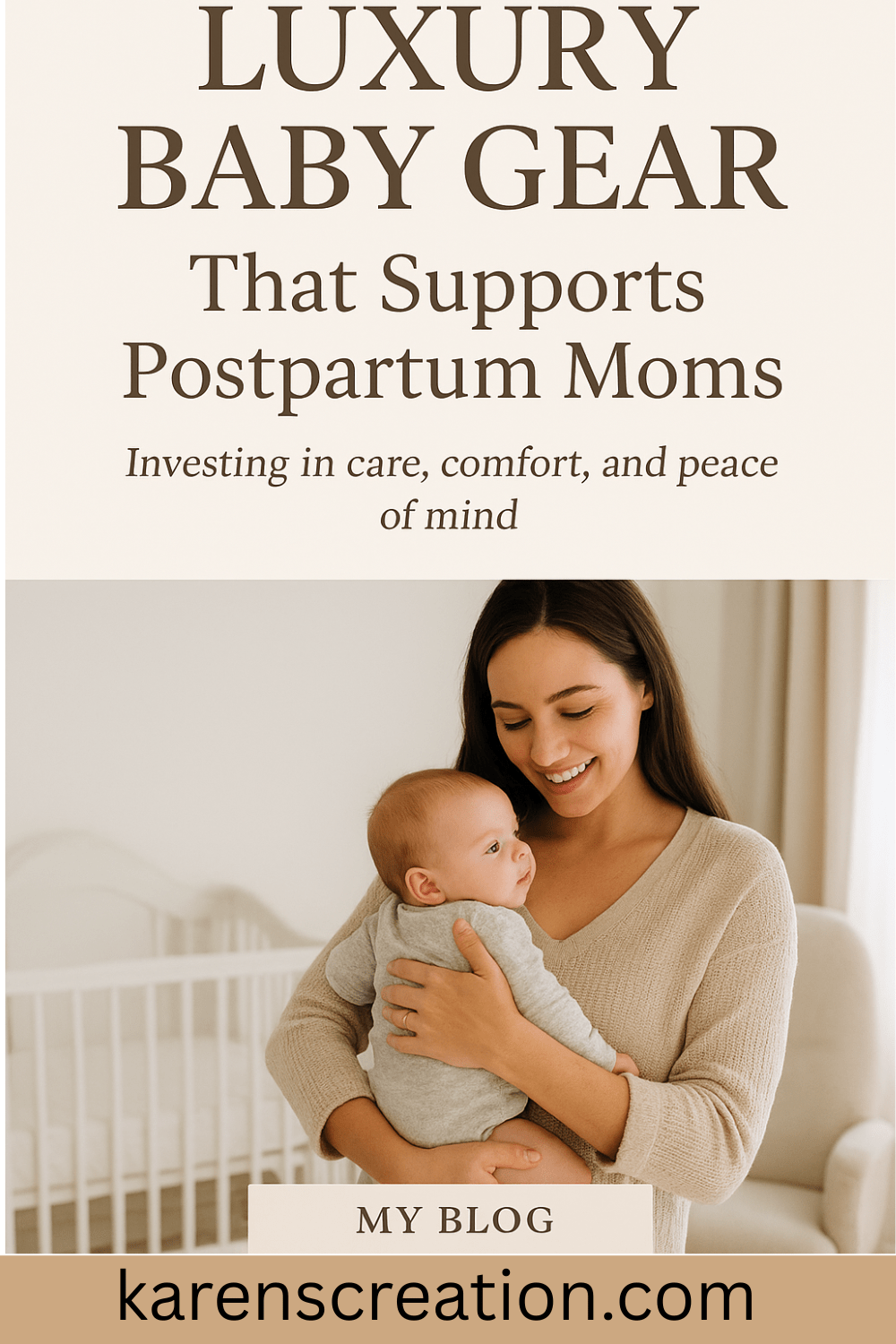
Why Luxury Gear Matters During Postpartum Recovery

Postpartum recovery is hard—mentally and physically. Discover the best luxury baby gear (like smart bassinets, wearable pumps & high-end strollers) that actually support new moms’ mental health and recovery. Perfect for your postpartum essentials list!

#PostpartumCare #PostpartumRecovery #PostpartumEssentials #NewMomTips #PostpartumSupport #LuxuryBabyGear #BabyGearMustHaves #PostpartumDepressionSupport #MomLife #NewMomEssentials

Many moms struggle with postpartum depression or anxiety, and even those who don’t often experience heightened stress, fatigue, and decision overload. When daily routines are smoother and mom feels supported, her mental health benefits.

Luxury baby gear often provides:

  • Convenience – Less stress about baby’s comfort means more time for mom to rest.
  • Peace of mind – High-quality, safety-tested products reduce worry.
  • Comfort – For both baby and mom, making recovery more manageable.

1. Smart Bassinets (Like the SNOO)

Sleep deprivation is one of the biggest contributors to postpartum mood struggles. The SNOO Smart Sleeper automatically rocks and soothes your baby, often helping infants sleep longer stretches.

✅ How it helps mom: More sleep = better mood, improved healing, and reduced anxiety.

SNOO Smart Sleeper Baby Bassinet – Bedside Crib with Automatic Rocking Motions and Soothing White Noise – Ideal for Newborn Babies to 6 Months – Natural Sleep Training

Happiest Baby SNOO Bassinet Fitted Sheet – 100% Organic Cotton Nursery Bedding – Fits SNOO Sleeper Crib Mattress


2. High-End Strollers (UPPAbaby, Nuna, Bugaboo)

Getting outside can significantly improve mental health. Walking helps release endorphins, combats baby blues, and provides fresh air for both mom and baby. A lightweight, easy-to-fold stroller makes those daily walks easier.

✅ How it helps mom: Encourages daily movement, reduces stress, and supports bonding.

UPPAbaby Vista V3 Stroller – Full-Size Single-to-Double Stroller System – Toddler Seat, Bug Shield, Rain Shield, and Storage Bag Included

Graco Gomax Next Gen Travel System, Car Seat Stroller Combo, Rear Facing Infant Car Seat, Compact


3. Ergonomic Nursing Chairs & Gliders

Breastfeeding or bottle-feeding sessions can take hours each day. Sitting in an uncomfortable chair can make recovery harder, especially if mom is healing from a C-section. A plush, ergonomic glider supports posture, reduces back pain, and creates a calming space.

✅ How it helps mom: Provides physical comfort and creates a soothing environment for feeding.

Oxford Baby Uptown Upholstered Swivel Glider and Recliner Nursery Chair

Rocking Chair Nursery with Adjustable Armrests, Electric Glider Recliner Nursing Chair for Breastfeeding, Power Swivel Recliner Chairs with USB Port and Storage


4. Wearable Breast Pumps (Elvie, Willow)

Traditional pumps tie moms down to one spot. Hands-free wearable pumps let moms pump while resting, walking, or even cuddling with their baby.

✅ How it helps mom: Reduces stress, saves time, and provides flexibility during the day.

Elvie – Double, Wearable Breast Pump w/App – The Smallest & Quietest – Portable – Hands Free & Discreet – Automated w/Four Personalized Settings 

eufy Security Heated Wearable Breast Pump S1 Pro, Slim Hands-Free with Industry-Leading HeatFlow Tech, Wireless Charging Case, App-Controlled OptiRhythm, Hospital-Grade Suction, in-Bra Use

Momcozy M5 Hands-Free Wearable Breast Pump, Double-Sealed Flange for Baby-Like Comfort, 3 Modes & 9 Suction Levels, Portable Electric pump 

Willow Go – Hands Free Breast Pump – Wearable Breastfeeding Pump – Portable, Electric, Cordless

Willow Go Double Hands Free Breast Pump w/Milk Storage Bags for Freezer and Fridge


5. High-Quality Baby Carriers (BabyBjorn, Ergobaby)

Babywearing allows for closeness, which benefits baby’s development and helps regulate mom’s mood by increasing oxytocin (the “love hormone”). A well-made carrier makes long periods of babywearing more comfortable.

✅ How it helps mom: Promotes bonding, reduces crying spells, and gives mom free hands.

Ergobaby Embrace Baby Carrier Newborn to Toddler – Breathable Baby Carriers for Summer – Cozy Essentials (7-25 Pounds)

BabyBjörn Baby Carrier Mini, 3D Jersey, Light Beige | Newborn Carrier (7-25 lbs), Ergonomic, Easy-to-Use

Momcozy Baby Wrap Carrier, Easy to Wear Infant Carrier Slings, Lightweight Hands Free Baby Sling, Adjustable Baby Carriers for Newborn to Toddler 8-35 lbs


6. Air Purifiers & White Noise Machines

The home environment plays a big role in postpartum well-being. An air purifier ensures cleaner breathing space for baby, while a high-quality white noise machine can improve baby’s sleep quality.

✅ How it helps mom: Creates a healthier, calmer home environment, easing stress.

Dyson Purifier Cool™ Gen1 TP10 – Purifying Fan 

Molekule Air Purifier Mini+ – Purifies Rooms Up to 250 Sq Ft – Smart Purifier with High Pollutant Capture Rate – Air Quality Monitoring Capabilities

Molekule Air Pro Air Purifier – Purifies Rooms Up to 1000 Sq Ft with High Foot Traffic – FDA Cleared for Destruction of Viruses, Bacteria & Mold

Hatch Rest Baby Sound Machine, Night Light | 2nd Gen | Registry Essential, Sleep Trainer, Routine Builder, Time-to-Rise Alarm Clock, White Noise Soother, Nursery Stories, Toddler Kids Bedroom (Wi-Fi)

Hatch Restore 3 Sunrise Alarm Clock, Sound Machine, Smart Light (Putty) – White Noise, Screen-Free Sleep Routine


Final Thoughts: Luxury as Self-Care, Not Indulgence

For many moms, spending more on premium baby gear can feel like a luxury reserved for someone else. But when framed as postpartum care—a way to reduce anxiety, support recovery, and create calm—it becomes a form of self-care.

If you’re building your postpartum recovery kit, consider which products will genuinely make life easier for both you and your baby. Remember: a calmer, more supported mom means a happier, healthier family.

👉 Shop My Favorites: Postpartum Essentials on Amazon for Postpartum Moms!

Always check with you doctor to make sure products you ingest are safe for baby’s who are breastfeeding.

✨ Affiliate Disclaimer: This post contains affiliate links, which means I may earn a small commission at no cost to you if you purchase through my link. I only recommend products I truly believe can support new moms.